What does “era toy” mean?
What it means
An "era toy" is a collectible item defined by its strong association with a specific time period or cultural movement, rather than belonging to a single, continuous product line. This is distinct from a "line toy" (e.g., all Star Wars figures). Era toys capture the prevailing aesthetic, manufacturing style, or technological trends of a decade—think 1970s vinyl figures or 1990s brightly colored plastic toys. The era designation is a historical marker. For the collector market, this context is the primary driver of value, as it ties the toy to a specific cultural moment.
What it does to price
The era designation acts as a foundational multiplier. A toy confirmed to represent a highly desirable cultural peak of its era can see value increase by 2x to 5x compared to a generic, uncontextualized version. Condition is paramount; a mint-in-box (MIB) example from a highly sought-after era commands significantly more than loose, played-with examples. For example, a well-preserved 1980s sci-fi toy in its original bubble packaging might sell for $150, while the same toy loose, even in good shape, might only fetch $45.
How to spot it
Spotting an era toy requires verifying its production window. Look for specific manufacturing identifiers: mold stamps, paint applications typical of that decade, or specific packaging design elements (e.g., specific font usage or card stock quality). Always request clear photos of the back of the packaging, the base of the toy, and any copyright stamps. Common errors include misdating; a toy manufactured in the early 1990s but marketed with 1980s branding is not a true era piece. Fakes often replicate the *look* but fail on the material composition or stamping accuracy.
Buying smart
Paying a premium for an era toy is justified when the item is a definitive, high-quality representation of a peak cultural moment. If the toy is common within its era but in poor condition, the premium is not warranted. A fair deal involves research confirming the toy's genuine scarcity *within that specific timeframe*. If a seller claims "era significance" but cannot provide documentation or contextual evidence, the asking price should be discounted by at least 30% until provenance is established.
Selling smart
To maximize return, the listing must explicitly frame the item within its era. Do not just list "Action Figure"; list "1984 Era Sci-Fi Action Figure." Highlighting the cultural touchstone—e.g., "Iconic piece from the height of 80s toy design"—justifies the premium. The single most effective element is a photo showing the toy alongside a dated piece of period ephemera (like a magazine cover from that year) or a clear shot of the original, era-specific copyright marking.
On eBay right now
Current asking prices from live listings — not sold-comp medians.

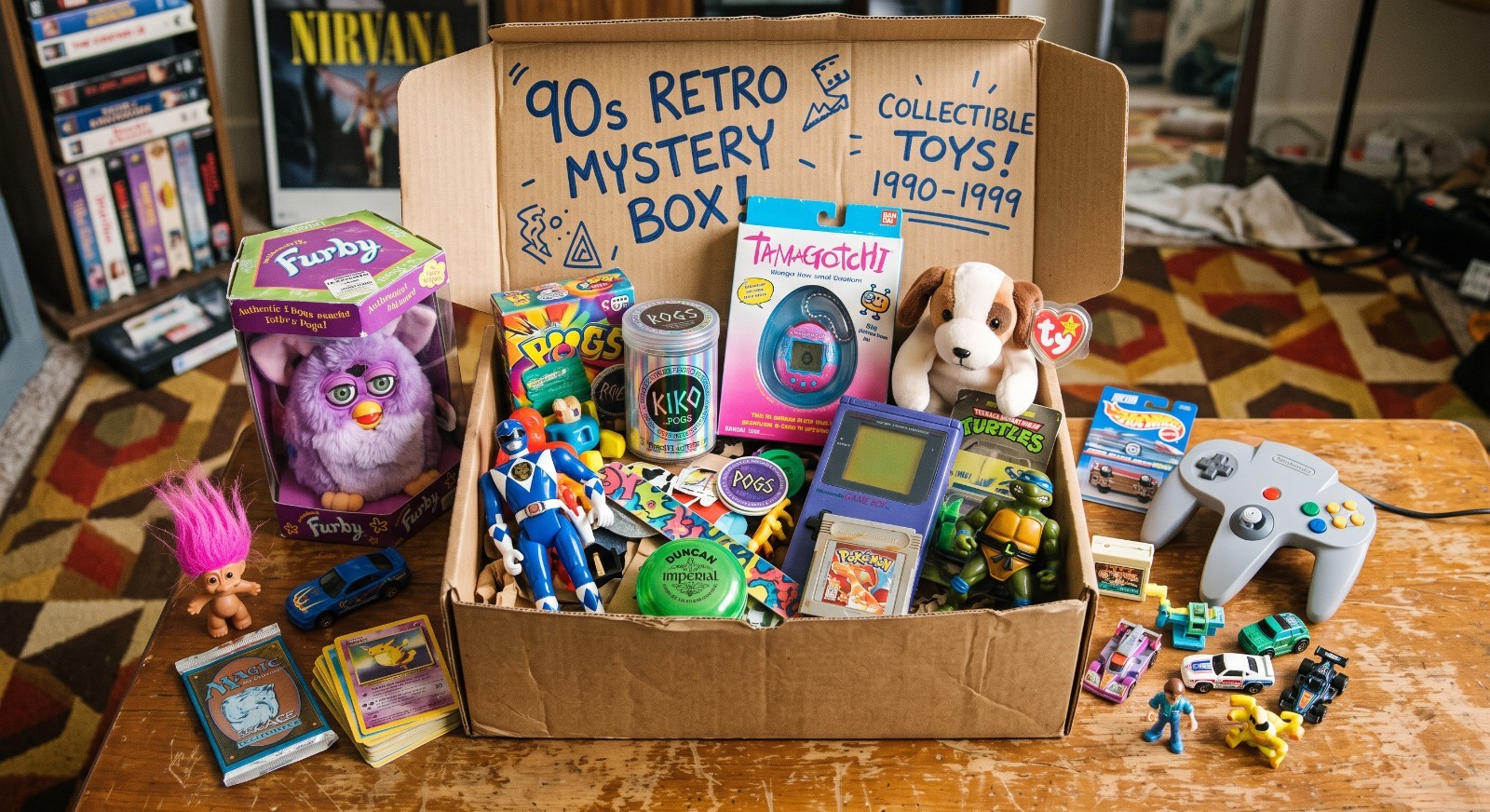

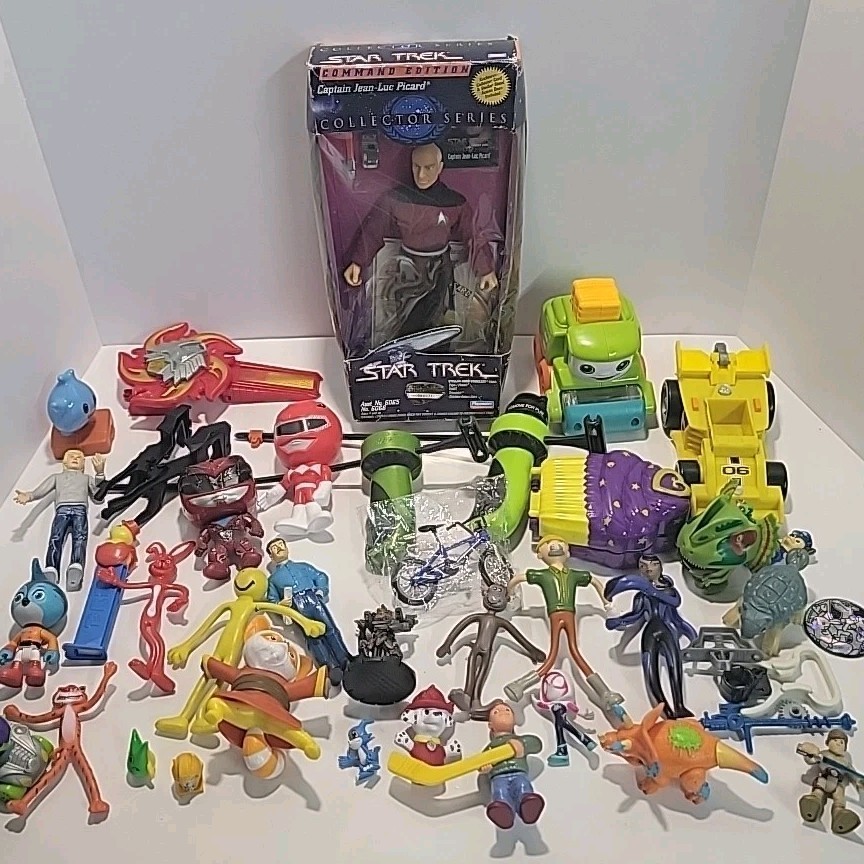


eBay links are affiliate links: JunkPal may earn a commission at no cost to you.
Resale values related to era toy
Shop era toy on eBay ↗
![Scooby-Doo [Flocked Pink] #149 (Animation)](https://storage.googleapis.com/images.pricecharting.com/aqn7i2pxg4hm3j5f/240.jpg)
![Deadpool [Metallic] #20 (Marvel)](https://storage.googleapis.com/images.pricecharting.com/o4jxtd6rddbkkgol/240.jpg)
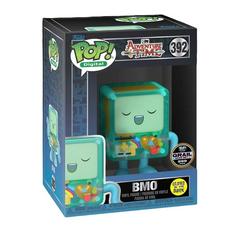
![Tusk [GITD] #2019 (Animation)](https://storage.googleapis.com/images.pricecharting.com/lt3ltyqhqahuinvp/240.jpg)
![Steamboat Willie [D23] #24 (Disney)](https://storage.googleapis.com/images.pricecharting.com/24bkzfe6wtobrgku/240.jpg)
![Aquaman [Metallic] #16 (Heroes)](https://storage.googleapis.com/images.pricecharting.com/n2nxwi3oj7jbrhwm/240.jpg)
JunkPal may earn a commission when you buy through eBay links, at no extra cost to you.
What’s worth the most
Ranked on medians of real closed eBay sales, not asking prices.