What does “era specific toy” mean?
What it means
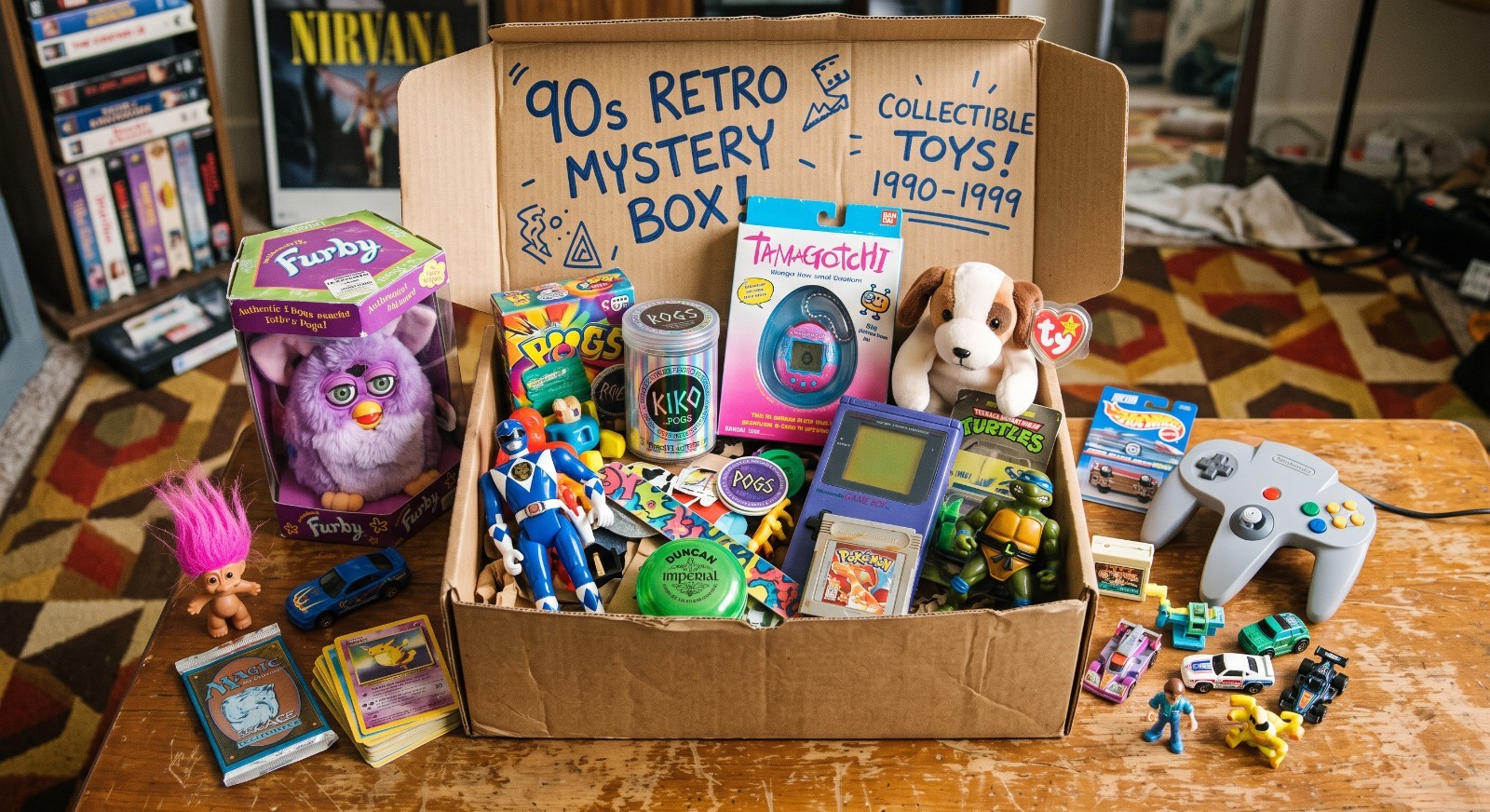
An era specific toy is a collectible item whose design, materials, or marketing directly ties it to a defined historical period. This goes beyond simple age; it relates to the prevailing aesthetic, technology, or cultural trend of that time. For example, a 1980s action figure features specific plastic molding techniques and design sensibilities distinct from 2000s counterparts. The mainstream equivalent is "retro toy," but "era specific" implies a deeper, verifiable connection to a specific cultural moment or decade. The toy's value is derived from its representation of that time.
What it does to price
Era specificity acts as a primary price driver, often creating scarcity premiums. A toy clearly tied to a highly desirable, short-lived trend (e.g., a specific 1990s cartoon tie-in) can command a 2x to 5x multiplier over a generic, modern version of the same concept. Condition is paramount; a mint, era-correct CIB (Complete In Box) copy often fetches 1.8x to 3x the price of a loose, played-with example. Conversely, if the toy is misdated or clearly manufactured outside its intended period, the value can drop by 40% or more because it loses its primary selling point. For example, a 1985 toy found with 2005 packaging will likely sell for less than half its true era value.
How to spot it
Verification relies on identifying production markers. Check mold stamps, copyright dates on the base, and material composition listed on packaging. Specific era toys often have unique paint applications or plastic textures that change between production runs. Sellers must provide high-resolution photos of the underside and any original paperwork. Common mistakes include "reissues"—modern toys intentionally styled to look old. These are not the same as original era pieces. Fakes often use modern, overly sharp paint lines or incorrect material finishes that do not match the documented manufacturing standards of the target decade.
Buying smart
Paying a premium is justified when the toy is a verifiable cornerstone piece of a known, high-demand era (e.g., early 1980s sci-fi lines). The premium is not worth it for obscure, low-volume items unless the buyer is specifically completing a niche collection. A fair deal involves the price reflecting the rarity *within* that era, not just the general market rate. If a toy is advertised as "1995 original" but the asking price is only 1.1x the price of a modern knock-off, the deal is likely too low, suggesting the seller does not understand the market value of the era specificity.
Selling smart
Proving the toy’s era specificity transforms a generic collectible into a targeted artifact. Listings must explicitly state the decade or cultural moment it represents. The single most effective element in a listing is a clear, well-lit photograph of the original, period-correct packaging, showing any visible date codes or marketing slogans from that time. Using the phrase "Verified [Year] Original" in the title or description immediately signals authenticity to specialized buyers, justifying a 20-40% price increase over listings that simply state "vintage."
On eBay right now
Current asking prices from live listings — not sold-comp medians.


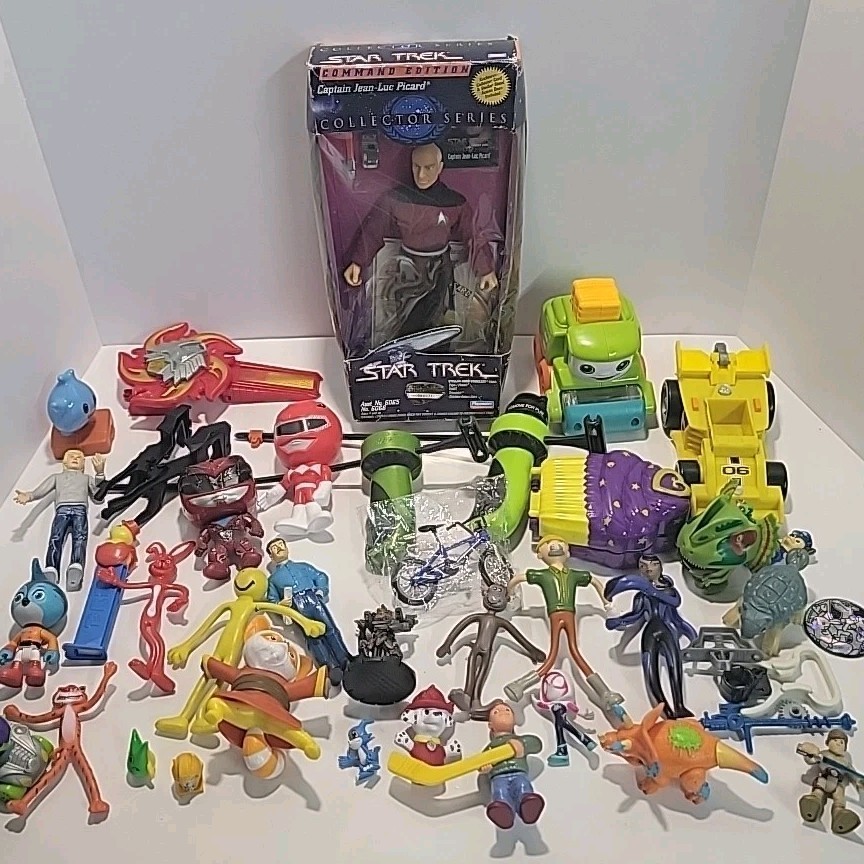


eBay links are affiliate links: JunkPal may earn a commission at no cost to you.
Resale values related to era specific toy
Shop era specific toy on eBay ↗![Hawkman [Metallic] #17 (Heroes)](https://storage.googleapis.com/images.pricecharting.com/ye34olsq2kzpoxgt/240.jpg)
![Green Goblin [GITD] #109 (Marvel)](https://storage.googleapis.com/images.pricecharting.com/izbwrg7mqo2h5tqb/240.jpg)
![Freddy Funko As Captain America [250] #SE (Freddy Funko)](https://storage.googleapis.com/images.pricecharting.com/wnkm4m7twu3vzr5r/240.jpg)
![Freddy Funko As Optimus Prime [Blacklight] #SE (Freddy Funko)](https://storage.googleapis.com/images.pricecharting.com/hebs5on3xftczlso/240.jpg)
![Luffy With Thousand Sunny [CCXP22] #114 (Rides)](https://storage.googleapis.com/images.pricecharting.com/guw55tfqc4sv63om/240.jpg)


JunkPal may earn a commission when you buy through eBay links, at no extra cost to you.
What’s worth the most
Ranked on medians of real closed eBay sales, not asking prices.