What does “domestic toy” mean?
What it means
A domestic toy is an item manufactured within the nation of its origin. This is distinct from "imported" items, which cross international borders. For collectors, the country of origin is a primary qualifier for authenticity and market desirability. The term applies whether the toy is produced locally or is a regional variant of a globally recognized design. Niche jargon like "domestic" simply means "made in [Country X]." Value is heavily influenced by the local manufacturing history, the reputation of the domestic brand, and cultural relevance within that specific market.
What it does to price
Origin acts as a modifier, not a primary driver, unless the domestic market itself is highly specialized (e.g., specific Japanese vinyl figures vs. generic US toys). Generally, a confirmed domestic item commands a 1.1x to 1.4x multiplier over an unverified international equivalent of similar condition. High-demand domestic exclusives or limited-run regional releases can see multipliers exceeding 2.5x. A common downward pressure occurs when the domestic manufacturer is known for low quality or poor licensing; for example, a mass-market 1980s domestic action figure might sell for $15 loose, whereas a verified, high-quality domestic release of the same character might fetch $30.
How to spot it
The definitive tell is the country-of-origin marking. This is usually found on the base, on the instruction manual, or printed on the packaging card/box. Look for stamps like "Made in [Country]" or specific factory codes. Common mistakes involve mislabeling or repackaging; a toy originally manufactured in Country A but later relabeled by a distributor in Country B is not truly "domestic" to Country B. Always request high-resolution photos of the bottom seam or the back of the box to verify these markings.
Buying smart
Paying a premium for domestic status is justified when the item is a known, scarce regional release, or when the domestic brand has a proven, high-end collectible pedigree (e.g., specific German or French toy lines). It is not worth the premium for generic, low-quality domestic mass-market items unless the condition is flawless. A fair deal involves the price reflecting the scarcity of the *regional variant*, not just the country stamp. If a common toy is priced 50% higher solely because it bears a local stamp, the premium is likely inflated.
Selling smart
Clearly stating the country of origin in the title and description immediately qualifies the item for specific buyer pools. This specificity allows for higher pricing. The single most effective element to include in a listing is a clear, close-up photograph of the manufacturer's mark or the "Made In" stamp. This shifts the item from a general "toy" listing to a specialized "Region-Specific Collectible" listing, which attracts buyers willing to pay for verified provenance.
On eBay right now
Current asking prices from live listings — not sold-comp medians.


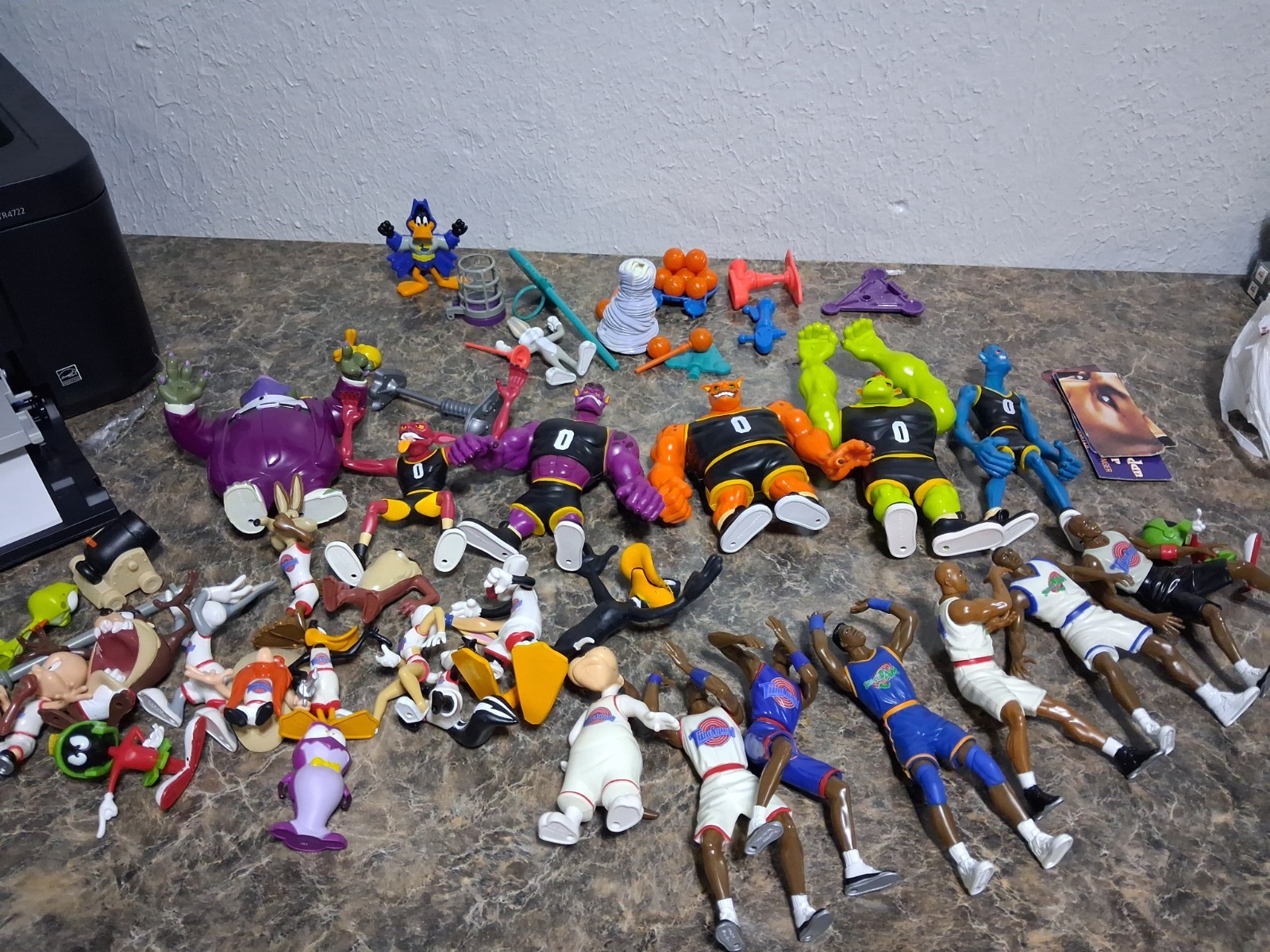
eBay links are affiliate links: JunkPal may earn a commission at no cost to you.
Resale values related to domestic toy
Shop domestic toy on eBay ↗



![Spider-Man [GITD] #15 (Marvel)](https://storage.googleapis.com/images.pricecharting.com/sc5zkiw7degrwy2x/240.jpg)
![Freddy Funko [Yoda] #SE (Freddy Funko)](https://storage.googleapis.com/images.pricecharting.com/n6mh2ox3t6yqc5wh/240.jpg)

JunkPal may earn a commission when you buy through eBay links, at no extra cost to you.
What’s worth the most
Ranked on medians of real closed eBay sales, not asking prices.