What does “display worthy” mean?
What it means
"Display worthy" signifies an item in near-mint to mint condition, specifically curated for visual presentation. This goes beyond merely "good condition"; it implies the item has been kept sealed or handled minimally, exhibiting zero discernible wear. The mainstream equivalent is "Mint in Box" (MIB) or "Near Mint/Mint" (NM/M), but "display worthy" emphasizes aesthetic perfection—perfect paint application, flawless plastic sheen, and complete accessory sets—making it suitable for immediate shelf display. It is not merely playable; it is collectible art.
What it does to price
Display worthy status commands a significant premium over loose, played-with, or even standard "very good" condition items. For sought-after, high-demand figures or limited runs, a display worthy copy can fetch 1.8x to 3.5x the price of a comparable loose item. Factors pushing the price up include factory seals, original packaging integrity (box condition), and completeness (all original inserts/cards present). A single, noticeable paint chip or a scuff on the primary packaging can drop the valuation by 15-25%. For example, a rare action figure in perfect display condition might sell for $120, whereas the same figure with a small scuff on the foot might only sell for $95.
How to spot it
Spotting display worthy status requires scrutiny beyond a quick glance. Check paint lines for bleed or overspray, examine articulation joints for stress marks, and verify all included accessories for matching color and damage. For packaged items, inspect the box corners for crushing or seam separation. Sellers must provide high-resolution, well-lit photos of all angles, including close-ups of any printed text or edition markings. Common pitfalls include "shelf wear"—minor fading or dust accumulation that is hard to spot in poor lighting—or "accessory mismatch," where a replacement part is used instead of the original.
Buying smart
Paying a premium for display worthy items is justified when the item is a cornerstone piece of a collection or when the market for that specific item is highly saturated with damaged or incomplete examples. If the item is common or has a low secondary market demand, the premium is likely inflated and not worth the outlay. A fair deal involves the asking price being within 10-20% of established comparable sales data for verified mint examples. If a seller cannot provide clear, detailed photographic evidence supporting the "display worthy" claim, the premium should be discounted until verification is possible.
Selling smart
Listing an item as "Display Worthy" or "Mint/MIB" immediately filters the buyer pool toward serious collectors willing to pay top dollar. The single most effective element in a listing is a high-resolution, macro photograph of the item's most vulnerable area (e.g., the face sculpt or the box corners) under direct, even light. Adding the specific phrase "Factory Sealed" or "Collector Grade" in the title, rather than just "Used," signals the item's superior condition and justifies the higher asking price.
On eBay right now
Current asking prices from live listings — not sold-comp medians.

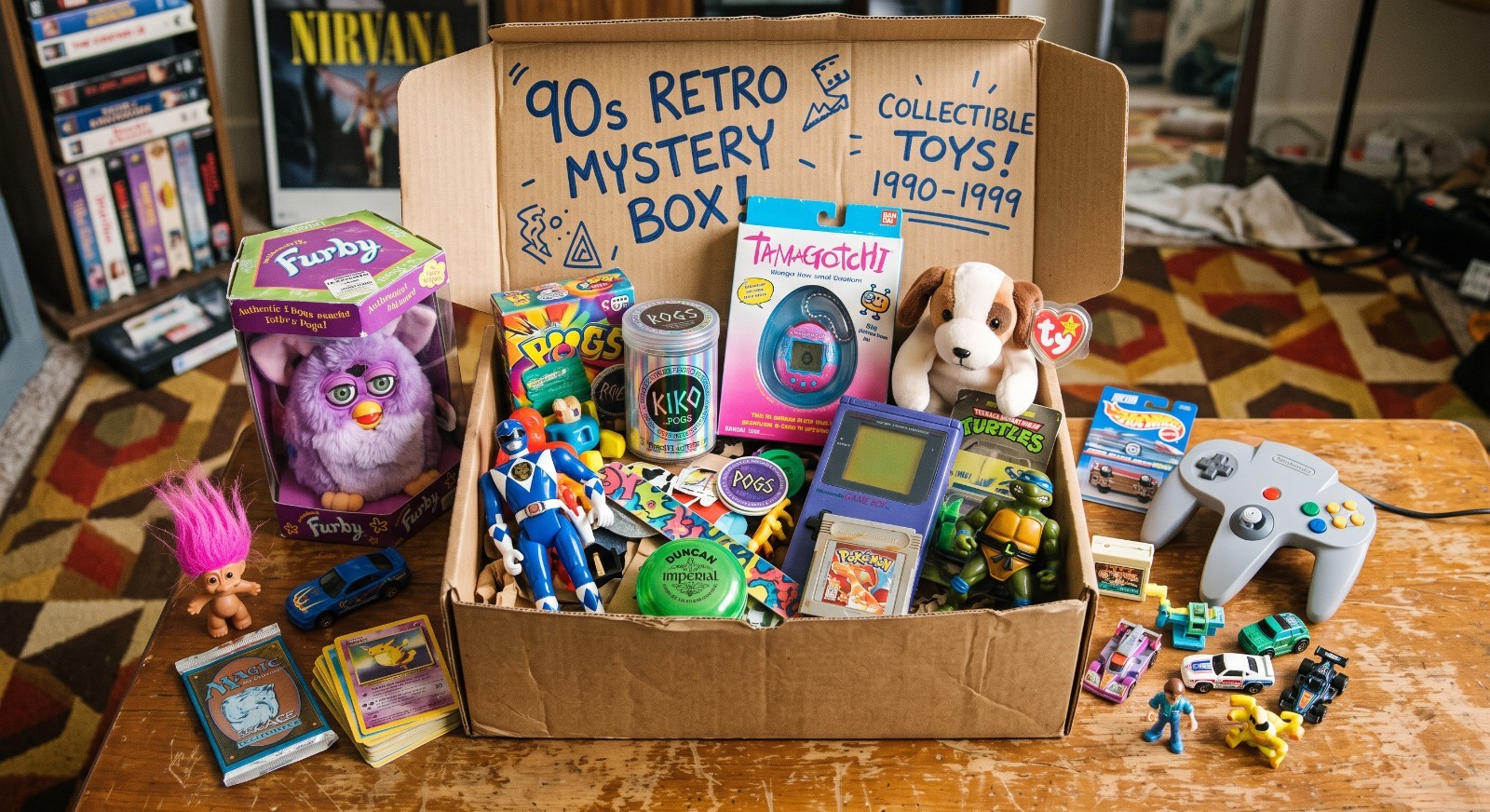

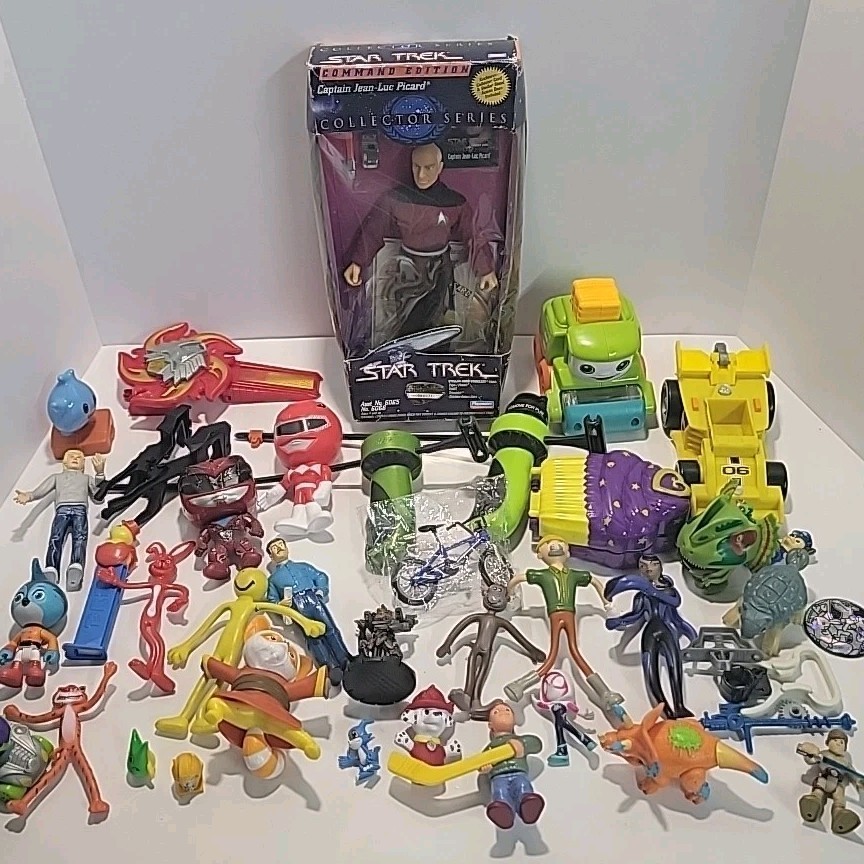


eBay links are affiliate links: JunkPal may earn a commission at no cost to you.
Resale values related to display worthy
Shop display worthy on eBay ↗![Gol D. Roger [Gold] #1274 (Animation)](https://storage.googleapis.com/images.pricecharting.com/eua34gmq5r7espwl/240.jpg)
![Genya Shinazugawa [Demon Form] #1851 (Animation)](https://storage.googleapis.com/images.pricecharting.com/2e2asqm3eaxpf54a/240.jpg)
![BMO [Green GITD] #52 (Television)](https://storage.googleapis.com/images.pricecharting.com/es3ciwtrl4sg5nfs/240.jpg)


![Gizmo [Flocked] #4 (Movies)](https://storage.googleapis.com/images.pricecharting.com/ppliumnvbzjs6pxm/240.jpg)
![King Felix [Gold] #1 (Mlb)](https://storage.googleapis.com/images.pricecharting.com/qniaa4npt4iywkp4/240.jpg)
![Green Arrow [Metallic] #15 (Heroes)](https://storage.googleapis.com/images.pricecharting.com/sfoqif2blbln44wh/240.jpg)
JunkPal may earn a commission when you buy through eBay links, at no extra cost to you.
What’s worth the most
Ranked on medians of real closed eBay sales, not asking prices.