What does “display quality” mean?
What it means
Display quality is the aesthetic and preservation grade of a collectible toy. It is not merely about whether the toy functions; it is about its presentation state. This encompasses the condition of the packaging (card, box, blister), the physical integrity of the toy itself (paint condition, plastic integrity, no stress marks), and the completeness of all included components. For collectors, this is the difference between "loose" (out of box) and "mint-in-box" (MIB) or "complete in box" (CIB). A high display quality item exhibits minimal to zero signs of handling, shelf wear, or environmental damage.
What it does to price
Display quality creates distinct price tiers. A toy in near-mint, sealed packaging (CIB/MIB) can fetch 2x to 5x the price of the same toy loose, depending on rarity. Minor flaws—such as a small crease on the back of the card or a light scuff on a limb—can drop the value by 15% to 30%. For example, a sought-after action figure in perfect, factory-sealed packaging might sell for \$150, whereas the identical figure, missing its original plastic bubble, might only sell for \$90. Completeness, including all original instruction sheets and small accessories, is a non-negotiable multiplier for high-tier pricing.
How to spot it
Inspect the packaging seams for crushing or warping. Look for yellowing or fading on the card stock, which indicates age exposure. On the toy itself, check joints for stress whitening or paint chipping, especially on high-contact areas. For sealed items, examine the plastic bubble or bag for pinholes or tears. Common issues include "shelf wear" (minor corner dings) versus "handling wear" (scratches on the figure's surface). Sellers must provide high-resolution photos of the corners and any visible seams before purchase.
Buying smart
Paying a premium for display quality is justified when the item is a centerpiece or a high-value investment piece, particularly if it is factory sealed. If the toy is intended for play or casual collection, the premium for perfect condition is often not worth the cost. A fair deal for a graded or high-grade item is one where the asking price reflects the established market premium for that specific grade (e.g., an A-grade sealed item should not be priced like a B-grade loose item). If the seller cannot provide clear, detailed photos confirming the condition, the premium should be significantly discounted.
Selling smart
Documenting display quality in the listing is the primary driver of sale price. Use specific terminology: "Mint in Box," "Near Mint," or "Loose - Minor Scuff." The single most valuable photo is a high-resolution, well-lit image of the entire item *and* its packaging, showing all four corners clearly. If the item is sealed, a photo of the manufacturer's seal or tamper-evident stickers confirms authenticity and condition. Accurate description moves the item from a commodity to a collectible, justifying the top-tier pricing bracket.
On eBay right now
Current asking prices from live listings — not sold-comp medians.

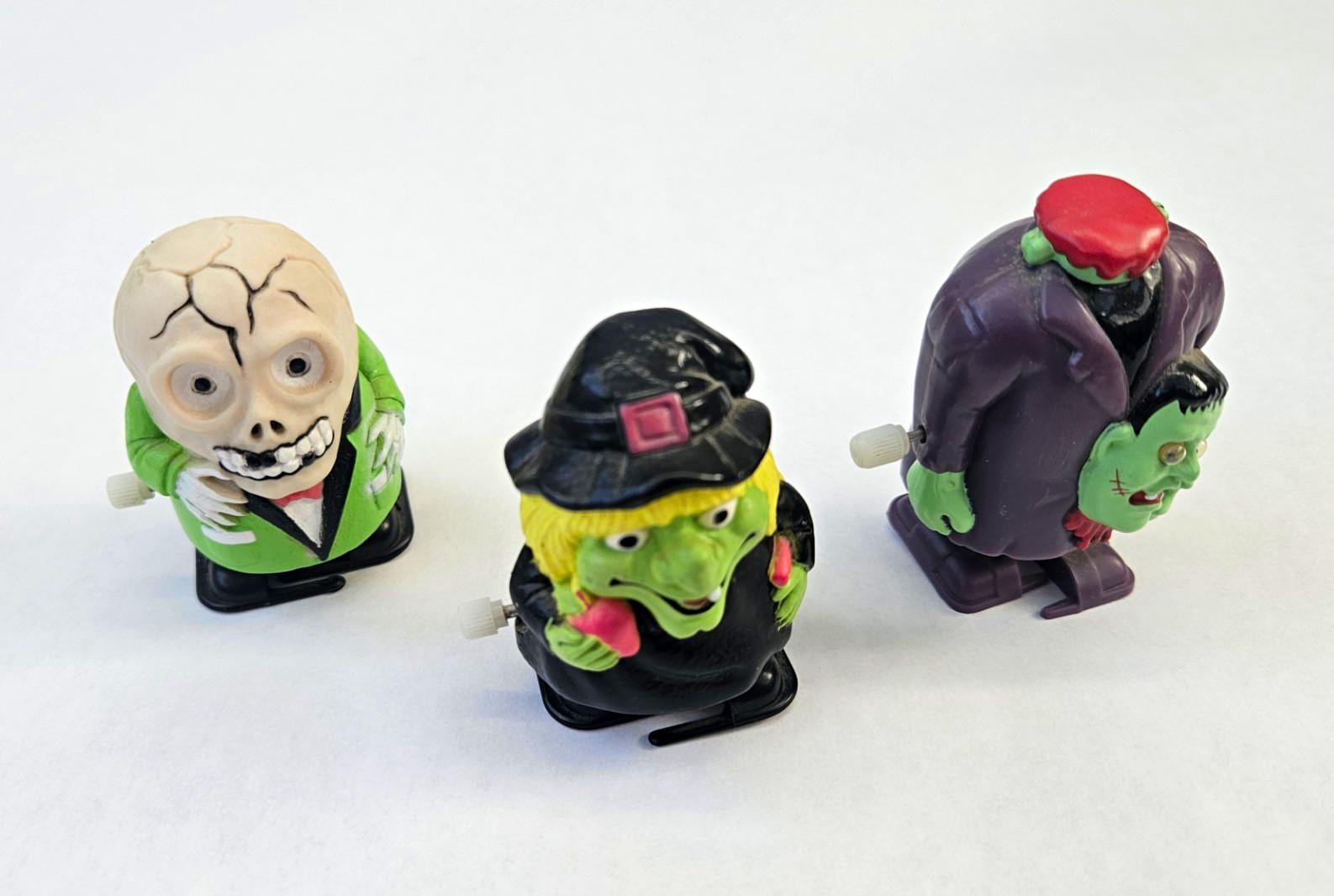
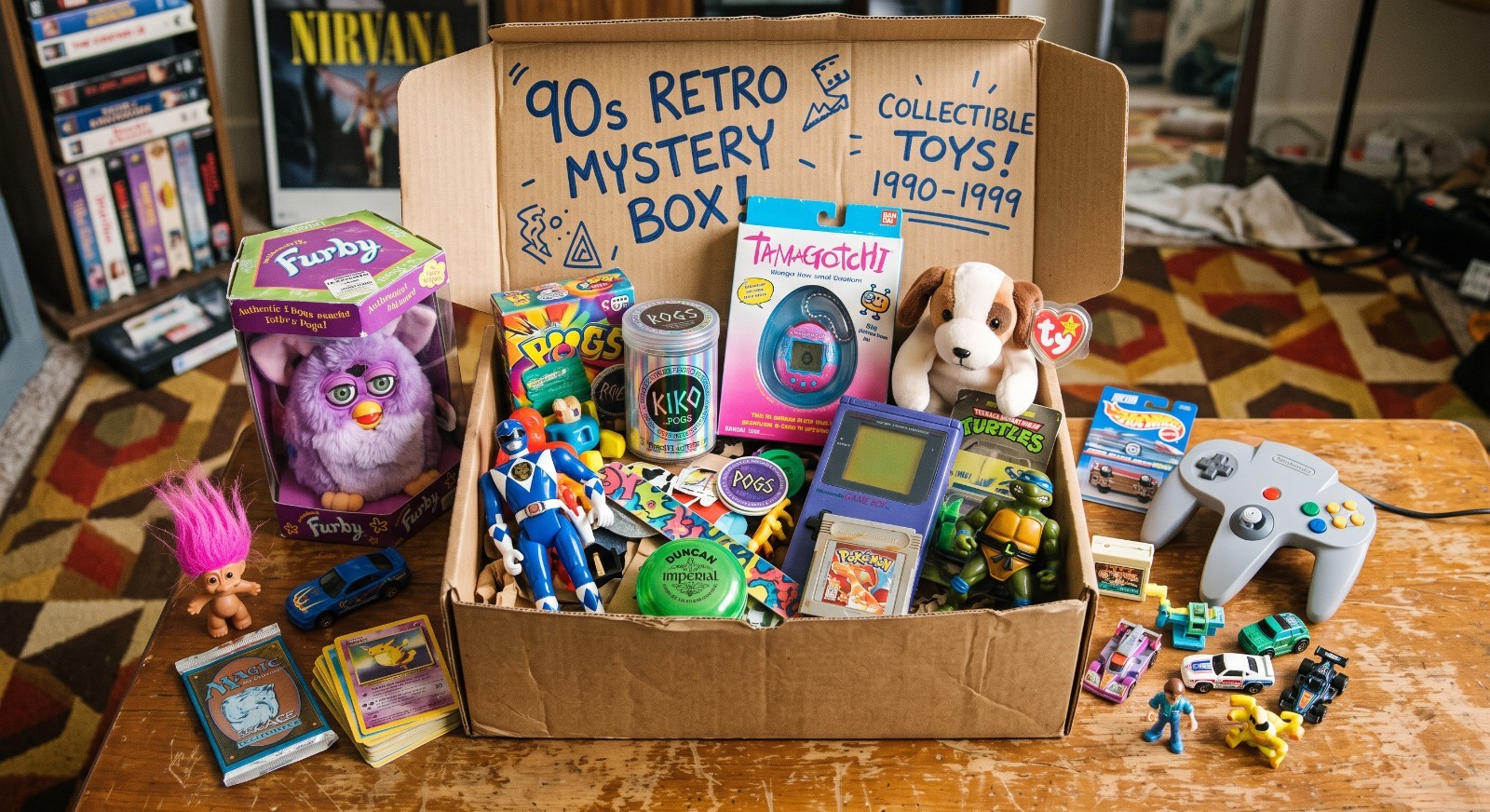


eBay links are affiliate links: JunkPal may earn a commission at no cost to you.
Resale values related to display quality
Shop display quality on eBay ↗![Eric Davis [Silver] #52 (Mlb)](https://storage.googleapis.com/images.pricecharting.com/2wbrdnfptbkestq7/240.jpg)
![Maka [Hot Topic Pre-Release] #80 (Animation)](https://storage.googleapis.com/images.pricecharting.com/7fzms53nrs6gtie5/240.jpg)

![The Fat Lady [Chase] #189 (Harry Potter)](https://storage.googleapis.com/images.pricecharting.com/sivo3zppcrdpyu66/240.jpg)
![Legolas Greenleaf [UOB] #46 (Movies)](https://storage.googleapis.com/images.pricecharting.com/siyng4p32az7ufmh/240.jpg)

JunkPal may earn a commission when you buy through eBay links, at no extra cost to you.
What’s worth the most
Ranked on medians of real closed eBay sales, not asking prices.