What does “display piece” mean?
What it means
A display piece is a collectible toy or figure whose primary intended function is visual presentation, not active use. This category overlaps with "Mint in Box" (MIB) or "Complete in Box" (CIB) items, but focuses specifically on the *intent* of the acquisition—showcasing rather than playing. While the mainstream equivalent is "collector's item," the display piece designation emphasizes the preservation of the packaging and accessories as part of the item's value. The piece itself may be functionally perfect, but its value is tied to its presentation status.
What it does to price
Display status directly correlates with premium pricing. A sealed, pristine display piece often commands a 1.5x to 4x multiplier over an equivalent loose (out-of-box) copy, depending on the rarity and brand. Factors pushing the price up include factory-sealed packaging, original certificates of authenticity (COA), and flawless exterior condition. Factors pulling the price down include box dents, yellowing plastic, or missing internal trays. For example, a standard action figure sold loose might sell for $25; the same figure in factory-sealed, pristine display packaging could easily fetch $50 to $100.
How to spot it
The tells are in the packaging integrity. Look for factory seals, original plastic wrapping, and intact instruction manuals or blister cards. For high-end collectibles, look for edition numbers printed on the box or interior cardboard, which confirm the specific production run. Sellers must provide high-resolution photos of the box seams and corners. A common mistake is confusing "mint" condition (perfect) with "display" condition (perfectly preserved packaging). Fakes often feature poorly printed logos or incorrect UPC codes on the exterior packaging.
Buying smart
Paying a premium for a display piece is justified when the item is a high-tier, limited-edition collectible (e.g., a first-run statue or high-end vinyl figure) where the packaging itself is part of the scarcity. It is not worth the premium for common, mass-market toys unless the packaging is exceptionally rare (e.g., a promotional variant). A fair deal involves the asking price being within 10-20% of the established market average for sealed versions of that specific SKU. If the premium exceeds 30% without clear evidence of extreme rarity, caution is warranted.
Selling smart
Listing a display piece requires meticulous documentation. The listing must explicitly state "Sealed," "Mint in Box," or "Display Grade." The single most valuable photo is a clear, well-lit shot of the entire exterior packaging from all four sides, showing no creases or damage. Using the phrase "Factory Sealed" or "Collector Grade Packaging" in the title immediately signals the premium status to serious buyers, justifying a higher asking price and filtering out casual browsers.
On eBay right now
Current asking prices from live listings — not sold-comp medians.

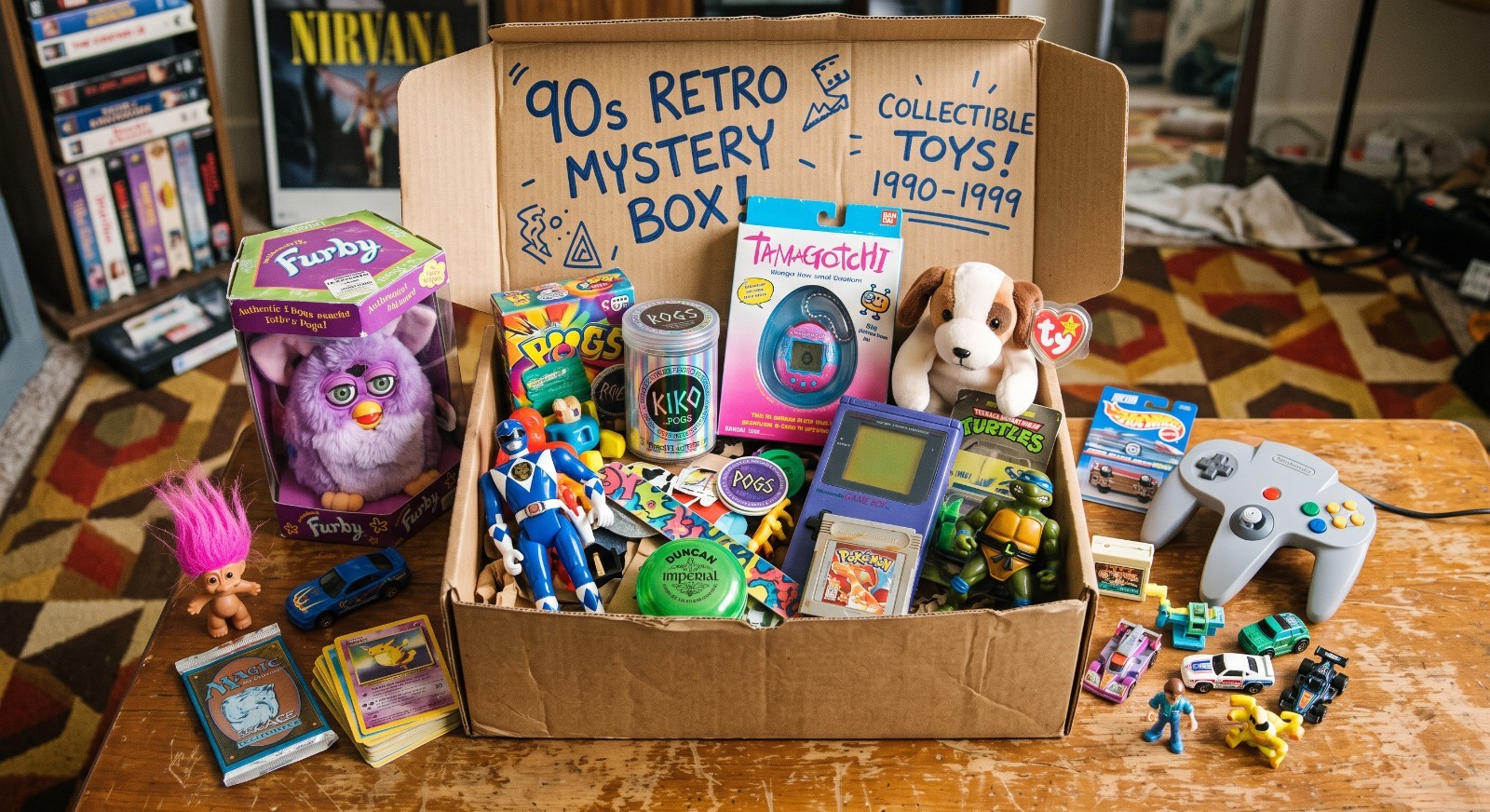

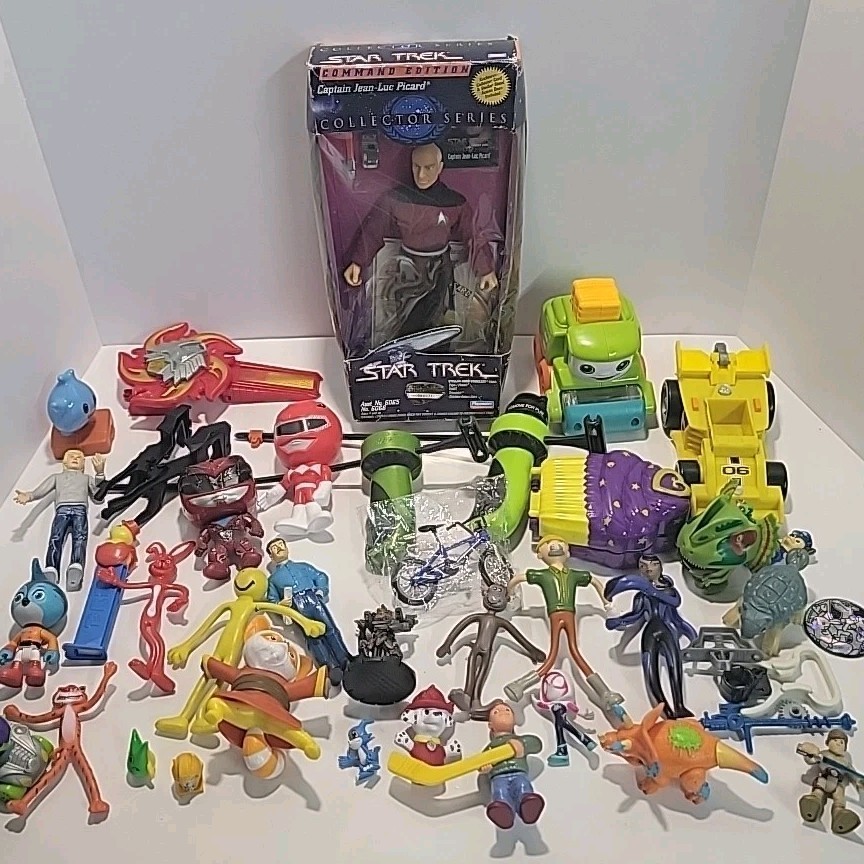


eBay links are affiliate links: JunkPal may earn a commission at no cost to you.
Resale values related to display piece
Shop display piece on eBay ↗![Freddy Funko Beetlejuice [GITD] #16 (Freddy Funko)](https://storage.googleapis.com/images.pricecharting.com/ww2oi4k4t63cal2j/240.jpg)
![Donatello [Metallic] #60 (Television)](https://storage.googleapis.com/images.pricecharting.com/5ehv2wdgm3mkkfb6/240.jpg)

![Freddy Funko As Optimus Prime [Metallic] #SE (Freddy Funko)](https://storage.googleapis.com/images.pricecharting.com/7nkbfbjrdovbgf6p/240.jpg)


![Bruce Lee Kicking [San Fransisco Giants - Orange] #592 (Movies)](https://storage.googleapis.com/images.pricecharting.com/tloc5jtmmdjh5x25/240.jpg)
JunkPal may earn a commission when you buy through eBay links, at no extra cost to you.
What’s worth the most
Ranked on medians of real closed eBay sales, not asking prices.