What does “display only” mean?
What it means
"Display only" in the toy collecting niche means the item was acquired for aesthetic purposes and was never intended for active play. This is distinct from "mint" or "new in box" (NIB). While often implying pristine condition, it does not guarantee it. An item can be "display only" but still have shelf wear, dust accumulation, or minor cosmetic flaws from being handled or positioned. The term signifies its intended function was static presentation, not dynamic interaction. For resellers, this designation suggests the item has avoided the stress fractures, paint chipping, and component fatigue associated with playwear.
What it does to price
The designation generally commands a premium over used or played-with copies. A genuine "display only" piece, especially if accompanied by original packaging (CIB - Complete In Box), typically fetches 1.5x to 3x the price of a comparable loose, used version. Condition is the primary driver of this multiplier. A piece described as "display only" but showing minor scuffs will trade closer to the lower end (1.2x). A flawless, factory-fresh example pushes toward the upper end (3x). For example, a common action figure might sell for \$20 loose; a certified, flawless "display only" version could easily reach \$45–\$60.
How to spot it
The term itself is subjective and requires verification. Sellers must clarify if "display only" means "never opened" (Deadstock) or "opened and kept on a shelf." Look for evidence of handling: fingerprints on plastic, slight discoloration on cardboard edges, or dust patterns inconsistent with a sealed item. Always request high-resolution photos of all seams, joints, and packaging corners. Common honest mistakes involve mislabeling an item that was briefly tested. Fakes often try to mimic the *look* of display condition without the underlying quality control; scrutinize paint application and mold lines for inconsistencies.
Buying smart
Paying a premium for "display only" is justified when the item is a rare variant, a highly sought-after chase piece, or when the packaging is exceptionally preserved. If the item is common or easily sourced in used condition, the premium is likely inflated. A fair deal involves the asking price being within 15–25% of the established market average for comparable, verified pristine examples. If the seller cannot provide detailed, multi-angle photographic proof of its untouched state, the premium should be heavily discounted.
Selling smart
Listing an item as "display only" requires absolute transparency to maximize buyer trust and price realization. Do not use the term if the item has any visible flaws. The single most valuable asset in the listing is a photograph showing the item *and* its original packaging, clearly showing the seals or the overall presentation context. Use the word "Deadstock" if it was never opened. This precision moves the item from a general "nice condition" listing to a high-value, specialized collectible listing, directly justifying the top-tier pricing bracket.
On eBay right now
Current asking prices from live listings — not sold-comp medians.

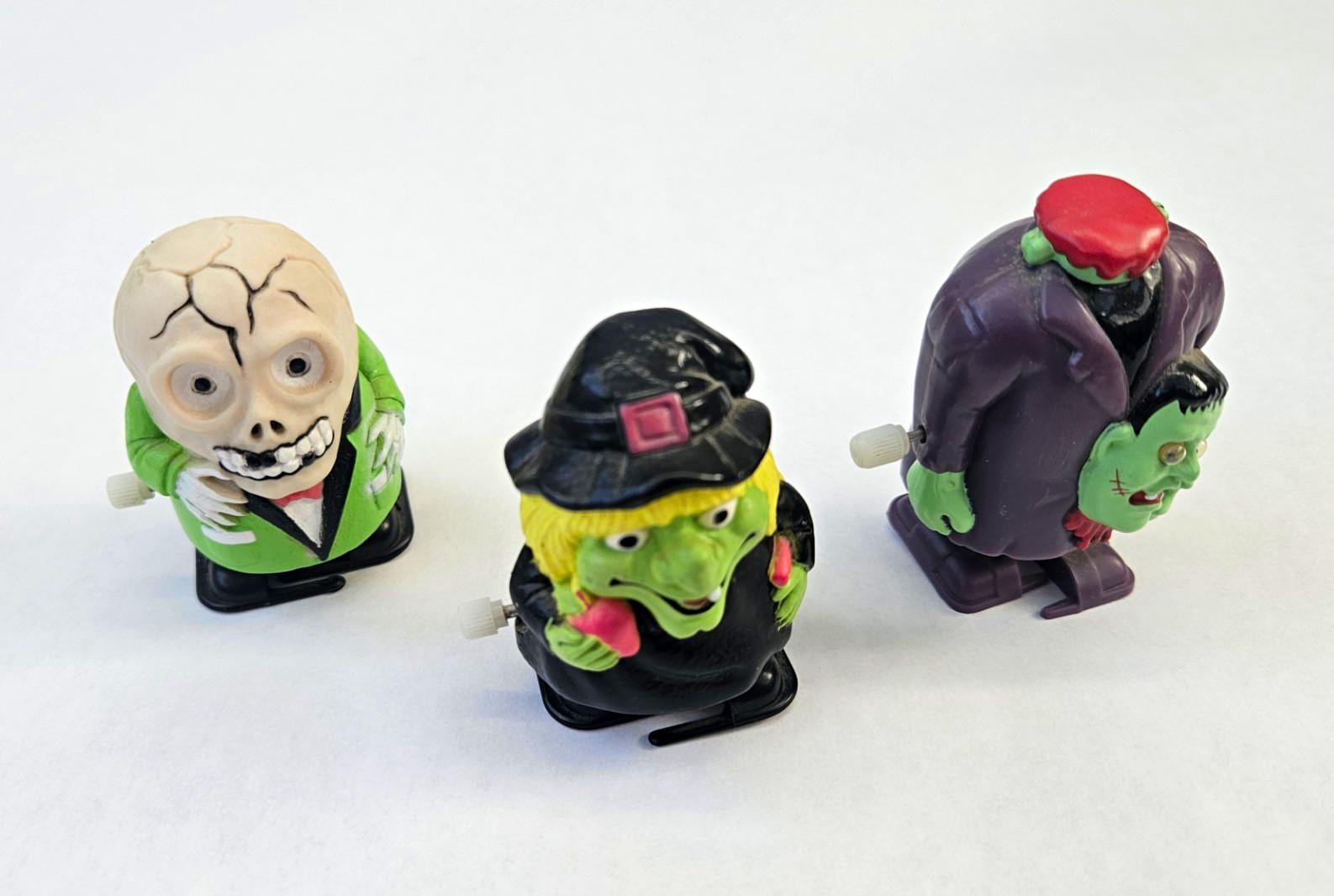
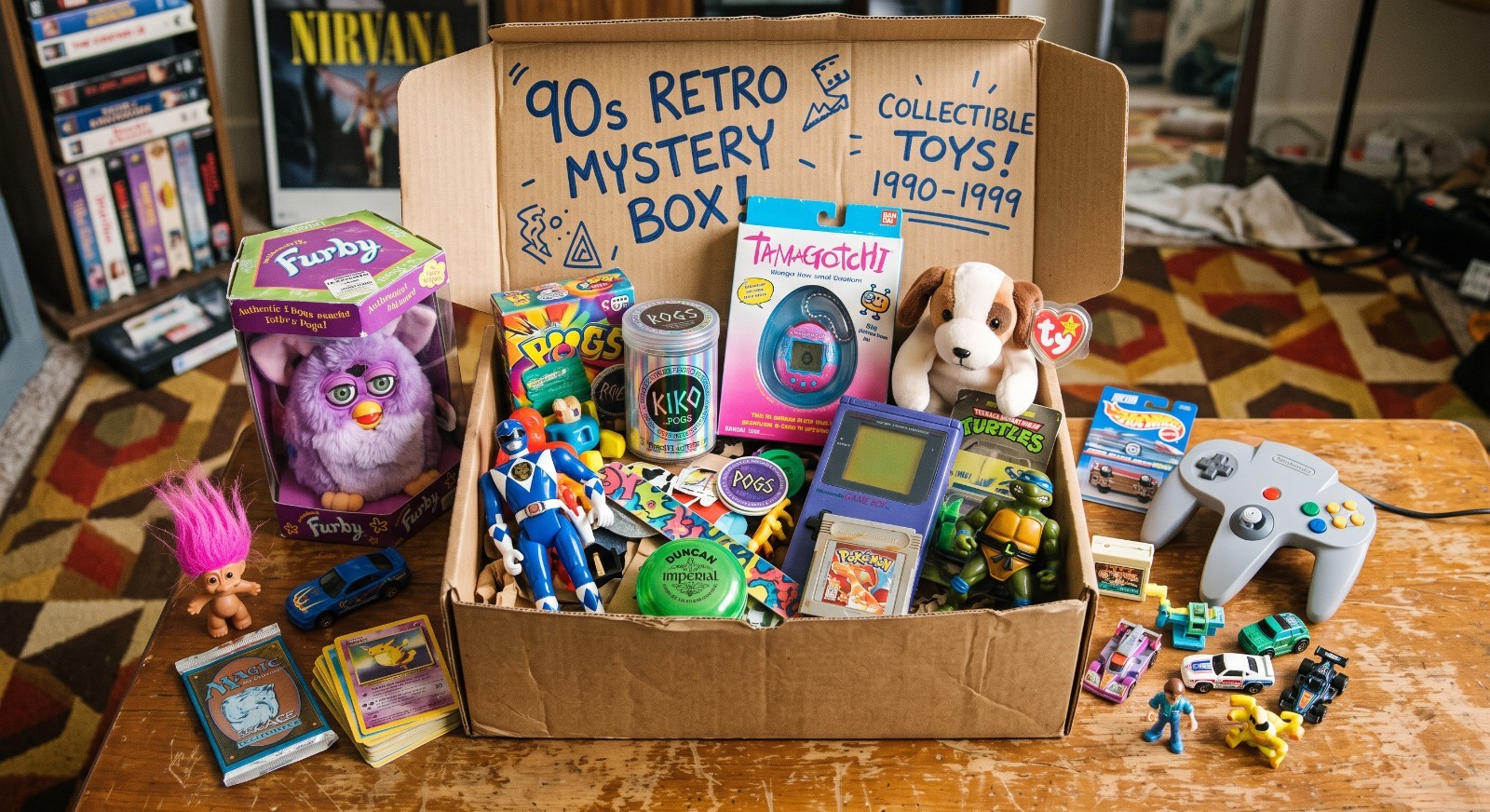


eBay links are affiliate links: JunkPal may earn a commission at no cost to you.
Resale values related to display only
Shop display only on eBay ↗

![Freddy Funko [Yoda] #SE (Freddy Funko)](https://storage.googleapis.com/images.pricecharting.com/n6mh2ox3t6yqc5wh/240.jpg)

![Boba Fett Droids [SDCC] #32 (Star Wars)](https://storage.googleapis.com/images.pricecharting.com/uezfpjpfhprk4g54/240.jpg)
![Freddy Funko Twisty [Bloody] #42 (Freddy Funko)](https://storage.googleapis.com/images.pricecharting.com/hyv7d5wuwybj77a3/240.jpg)
![Winnie The Pooh [Flocked] #32 (Disney)](https://storage.googleapis.com/images.pricecharting.com/oq4bri67qxzaisio/240.jpg)

JunkPal may earn a commission when you buy through eBay links, at no extra cost to you.
What’s worth the most
Ranked on medians of real closed eBay sales, not asking prices.