What does “die-cast” mean?
What it means
Die-cast refers to toys, primarily scale models of vehicles, constructed from a metal alloy, most commonly zinc or lead-based mixes. This is distinct from plastic injection molding. The term describes the manufacturing process where molten metal is forced into a mold cavity. In the collecting niche, the term denotes the material and construction method, not just the subject matter. Collectors value the weight, the precision of the molding, and the fidelity to the real-world subject.
What it does to price
Condition dictates the vast majority of price variance. A Mint-in-Box (MIB) or Complete-in-Box (CIB) example typically commands a multiplier of 2x to 5x compared to a loose, played-with piece, depending on the rarity. Minor paint chips or small scuffs reduce value by 15-30%. Missing accessories, such as decals or specific interior pieces, can drop value by 40% or more. For example, a standard 1:64 scale car in good condition might sell for $15 loose; the same car in MIB condition could fetch $45 to $60.
How to spot it
Authentic die-cast pieces often exhibit specific manufacturing marks. Look for casting seams, which are visible lines where the mold halves met, especially on chassis components. Examine the paint finish; high-quality pieces have deep, consistent paint layers, not a thin, matte coating. Sellers must provide high-resolution photos of the underside. Look for manufacturer stamps, copyright dates, or specific production codes. Common issues include "soft casting," where the metal feels flimsy, or "paint bleed," where paint has seeped into the metal grain.
Buying smart
Paying a premium is justified when the model is a highly sought-after limited edition, a historically significant release, or when the packaging is pristine and verifiable. If the model is a common, mass-market release, the premium for MIB is often not worth the cost unless the buyer requires it for a specific display. A fair deal involves the asking price being within 15-25% of comparable, verified sales data for the same item in the same condition. If the price exceeds 3x the loose market value without a clear rarity justification, caution is warranted.
Selling smart
Listing accuracy directly impacts buyer trust and final price. The single most valuable addition to a listing is a high-resolution photograph of the *entire* packaging, showing all seals and exterior condition. Furthermore, explicitly stating the scale (e.g., 1:64, 1:43) and the exact model year or production line in the title earns the premium over vague descriptions. Using terms like "Factory Sealed" or "Unopened" signals immediate value to serious collectors, often allowing for a 10-20% price increase over listings that only state "New."
On eBay right now
Current asking prices from live listings — not sold-comp medians.

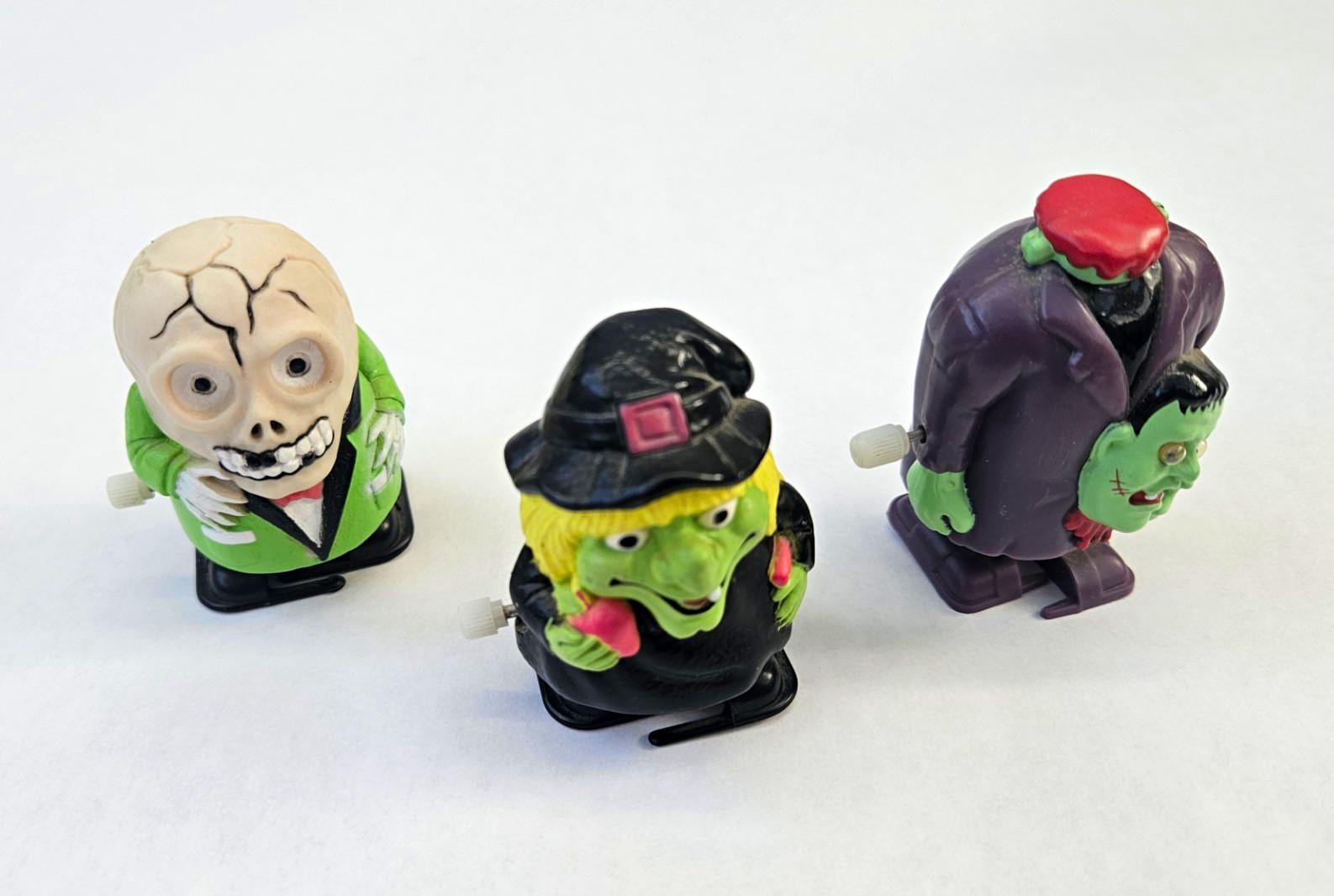
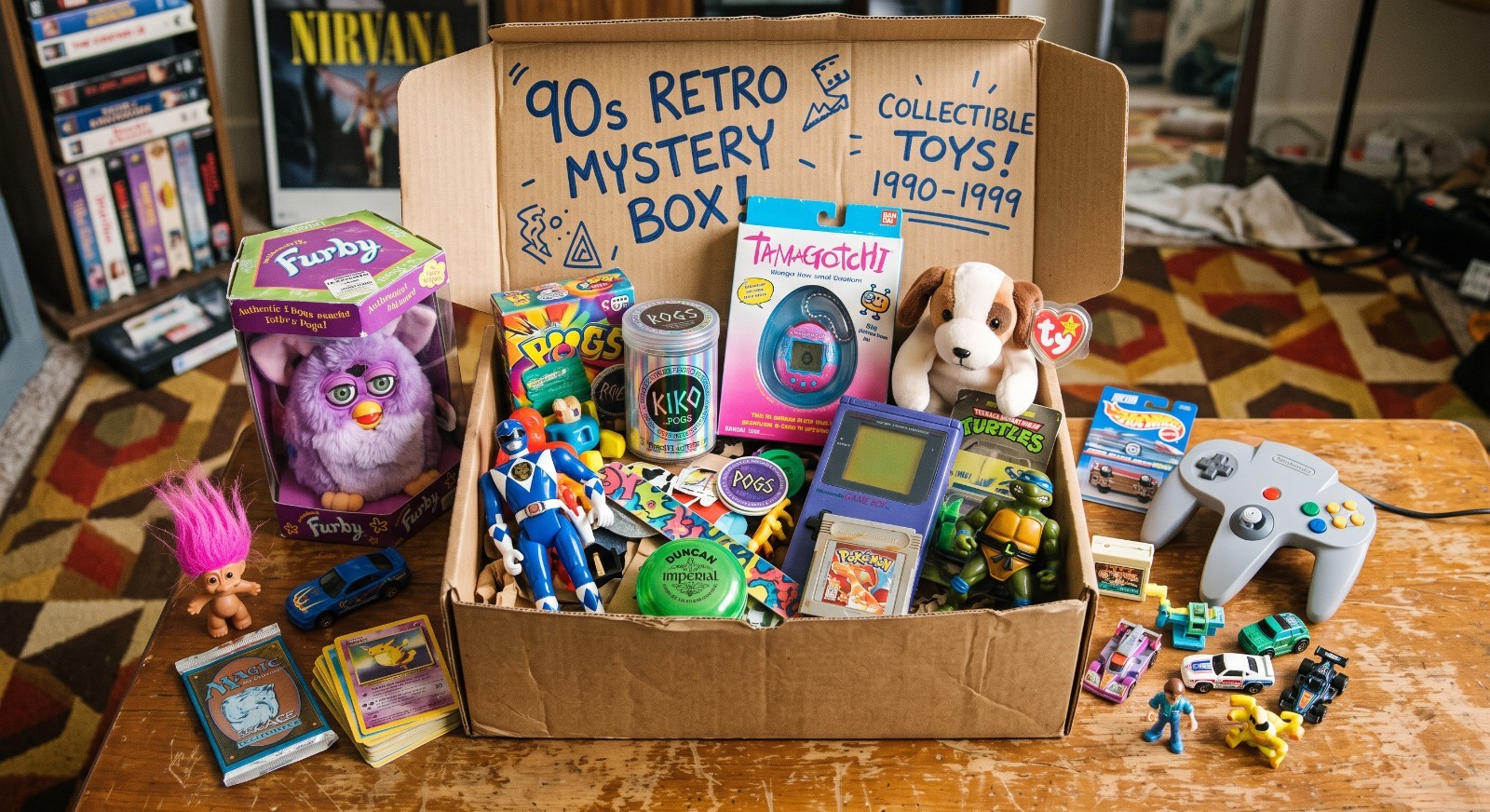


eBay links are affiliate links: JunkPal may earn a commission at no cost to you.
Resale values related to die-cast
Shop die-cast on eBay ↗
![Beast [Flocked] #21 (Marvel)](https://storage.googleapis.com/images.pricecharting.com/yvoycgcknzf2xrfu/240.jpg)
![Martian Manhunter [Metallic] #18 (Heroes)](https://storage.googleapis.com/images.pricecharting.com/obmgxln52wkhzrkb/240.jpg)
![Winged Monkey [Metallic] #9 (Movies)](https://storage.googleapis.com/images.pricecharting.com/k2nhg6kqbxpf5c2f/240.jpg)
![Andy Dwyer [Fugitive Toys 500] #533 (Television)](https://storage.googleapis.com/images.pricecharting.com/7kkbiohjl6bacja3/240.jpg)

![Freddy Funko As White Ranger [SDCC] #SE (Freddy Funko)](https://storage.googleapis.com/images.pricecharting.com/qvpx6g26q24wi5gi/240.jpg)
JunkPal may earn a commission when you buy through eBay links, at no extra cost to you.
What’s worth the most
Ranked on medians of real closed eBay sales, not asking prices.