What does “customized toy” mean?
What it means
A customized toy is an original manufactured item that has undergone deliberate, non-factory alterations. This goes beyond simple wear and tear. Modifications include repainting, weathering effects, adding aftermarket parts, structural changes, or unique artistic applications. The core value remains tied to the original toy's identity, but the modification itself becomes a secondary, often primary, feature. If the modification is professionally executed, it is often referred to as "custom work" or "modding." If the alteration is minor and reversible (e.g., swapping a head), it is less significant than a permanent paint job or structural rebuild.
What it does to price
Customization introduces high volatility. A minor, aesthetically pleasing repaint on a common figure might yield a 1.2x to 1.8x increase over a pristine, unmodified loose version. Significant, complex, or high-skill work—such as full body sculpting or detailed weathering on a rare piece—can push values 3x to 8x, depending on the reputation of the customizer. Conversely, poor execution, visible paint bleed, or mismatched parts can reduce value by 20% to 50% compared to a similarly modified piece. For example, a $50 loose action figure might sell for $80 if professionally customized, but only $35 if the paint job is sloppy.
How to spot it
The tells are usually visible upon close inspection. Look for paint lines that do not align with factory panel separation, evidence of primer application, or evidence of disassembly (e.g., visible screw holes or seam lines that are not original). Sellers must provide high-resolution, close-up photos of the modifications, especially joints and painted areas. Common issues include "muddy" paint application (where colors blend improperly) or mismatched plastic tones from aftermarket parts. If the customization claims a specific artist, verify that artist's known style against the item presented.
Buying smart
Paying a premium is justified when the modification elevates the toy from "collectible" to "art piece." This is true for high-end, complex mods on rare or sought-after base figures, or when the customizer is a recognized figure within the community. Avoid paying high premiums for simple, amateur paint jobs on common toys. A fair deal means the premium paid reflects the skill level and the uniqueness of the application relative to the base toy's rarity. If the modification is merely cosmetic and easily replicated by a hobbyist, the premium is likely inflated.
Selling smart
Documentation is the primary driver of value. A listing must detail *what* was changed, *how* it was changed, and *who* did it. Include multiple high-resolution photos: one showing the whole piece, and several extreme close-ups focusing only on the custom work. The single most valuable piece of text is the customizer's name or a detailed description of the technique used (e.g., "Airbrushed battle damage weathering"). This transforms the item from "used toy" to "artist collaboration," justifying the higher price bracket.
On eBay right now
Current asking prices from live listings — not sold-comp medians.

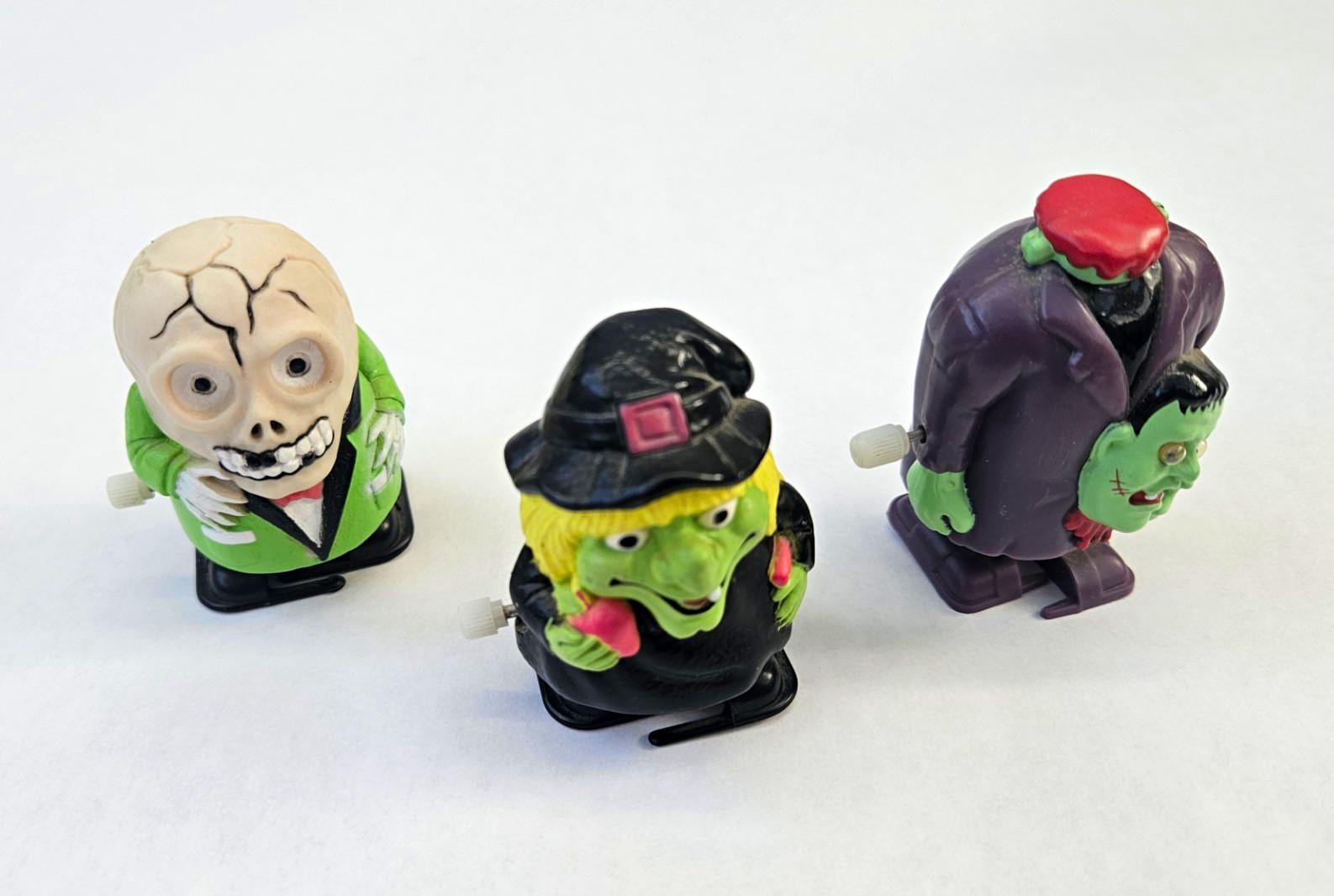
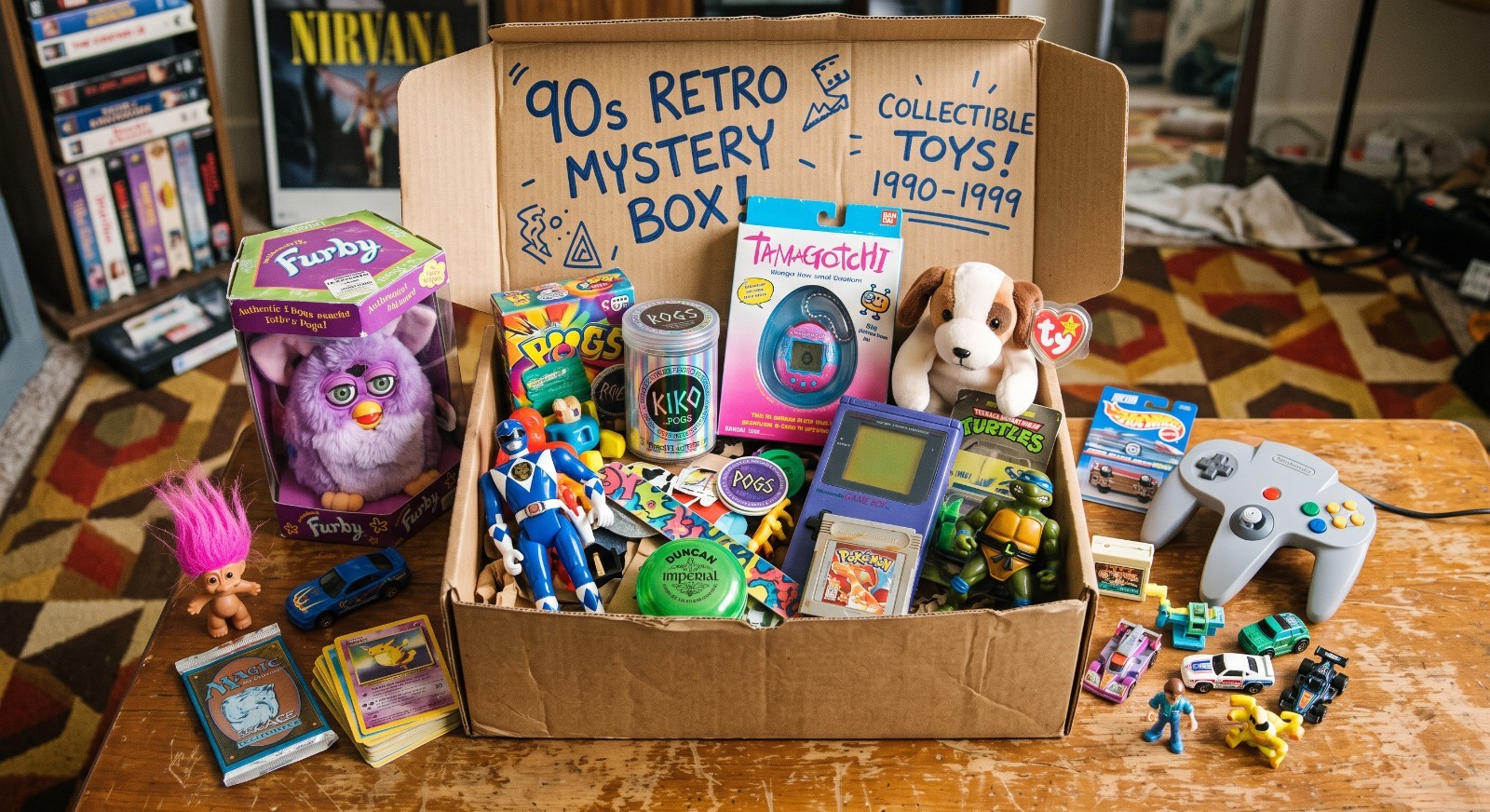


eBay links are affiliate links: JunkPal may earn a commission at no cost to you.
Resale values related to customized toy
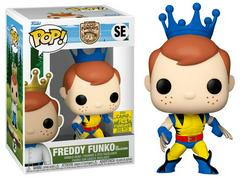
Shop customized toy on eBay ↗![Franny Funko As Azula [GITD] #SE (Freddy Funko)](https://storage.googleapis.com/images.pricecharting.com/sbtbm36tc3awdk6b/240.jpg)

![Freddy Funko As Michael Myers [Blacklight] #SE (Freddy Funko)](https://storage.googleapis.com/images.pricecharting.com/bxsn4yq4ujnkegsp/240.jpg)


JunkPal may earn a commission when you buy through eBay links, at no extra cost to you.
What’s worth the most
Ranked on medians of real closed eBay sales, not asking prices.