What does “complete set” mean?
What it means
A complete set means every component originally included with the toy is present. This includes the main figure or vehicle, all included accessories (weapons, alternate hands, vehicles), packaging inserts, instruction manuals, and any original protective plastic or display stands. In the collecting niche, "complete" is the highest standard of condition regarding inventory. It is not merely about the toy itself being intact; it requires the entire factory-intended assemblage. If a piece was sold separately or was a common add-on, its inclusion is what defines completeness.
What it does to price
Completeness is a direct multiplier on value. A loose, incomplete toy might sell for 1x base value. A complete set, especially one in Mint in Box (MIB) condition, typically commands a 2x to 5x premium over the loose equivalent. The presence of rare, hard-to-find accessories can push this multiplier higher. Missing one small, common piece (e.g., a specific instruction sheet) can drop the value by 10-20%. Conversely, finding a rare, unreleased accessory that completes a set can add hundreds of dollars instantly. For example, a standard action figure sold loose might fetch $30; the same figure with all original weapons and the instruction manual might fetch $75.
How to spot it
Verification requires meticulous inspection. Check the packaging first; if it’s sealed, the set is presumed complete unless there is visible damage. If loose, compare the physical items against known reference images or the original product listing. Look for specific edition markers or mold variations on the toy itself, as these can indicate a specific, valuable release. Sellers must provide high-resolution photos of every accessory, including small decals or instruction booklets. A common mistake is confusing "complete" with "all original pieces." Sometimes, a piece was an aftermarket upgrade, which disqualifies the set from being "factory complete."
Buying smart
Paying a premium for a complete set is justified when the toy is rare, highly sought after, or when the missing pieces are extremely difficult to source. If the set is common or the toy is low-value, the premium may not justify the cost of the extra pieces. A fair deal for a complete, graded set is when the asking price is within 15-25% of the established market value for a verified complete set. If the seller cannot provide clear photographic evidence of every single component, the risk of overpaying is too high.
Selling smart
Listing a set as "Complete" or "Factory Complete" allows for the highest achievable price point. Buyers pay the premium because completeness removes the guesswork and the future cost of hunting down parts. The single most effective element in a listing is a photo collage showing every single item laid out next to the main toy, with a clear caption identifying each piece. Using the word "Complete" in the title is necessary, but backing it up with photographic proof is what earns the premium over a listing that merely states "has accessories."
On eBay right now
Current asking prices from live listings — not sold-comp medians.

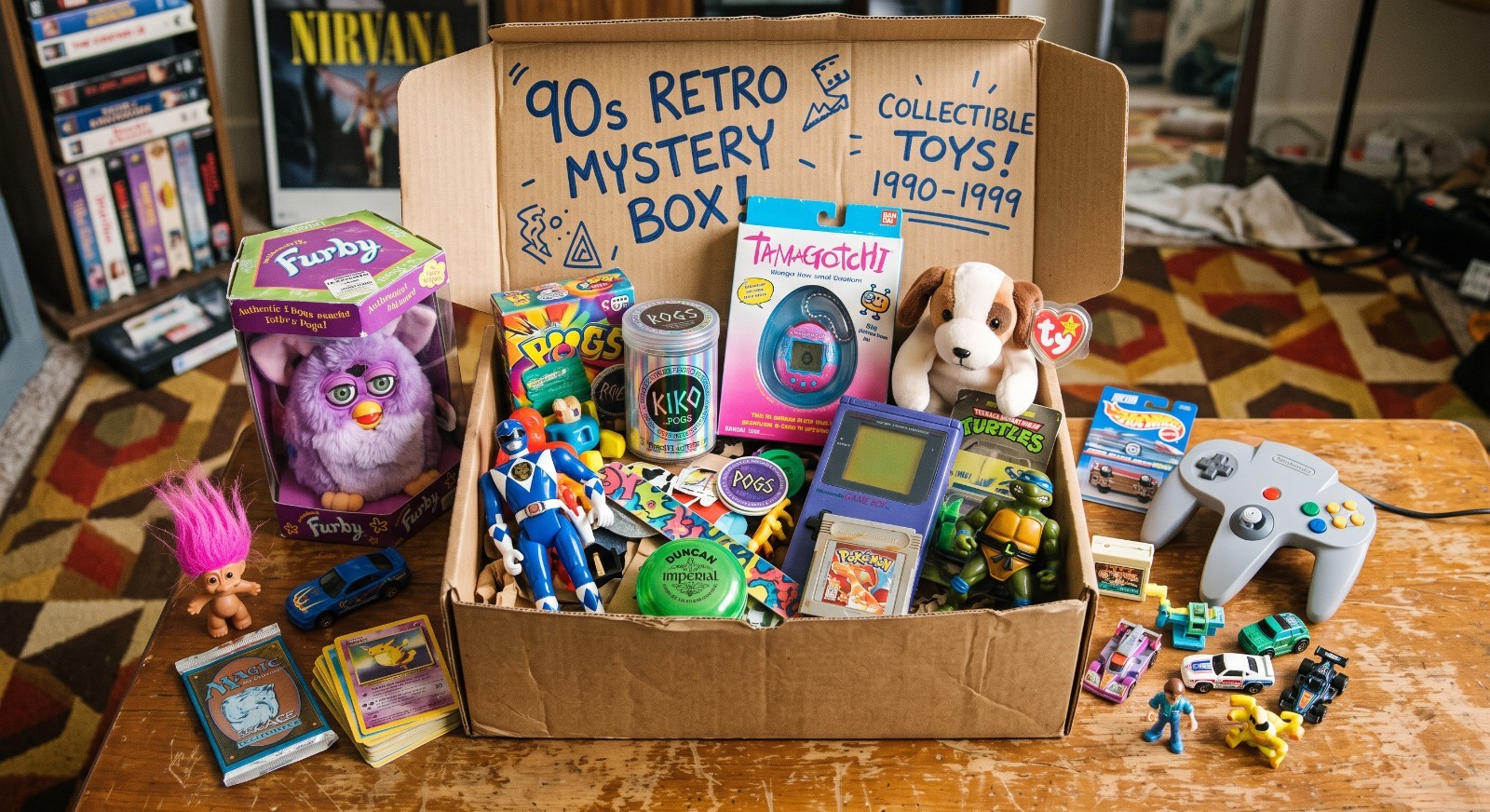

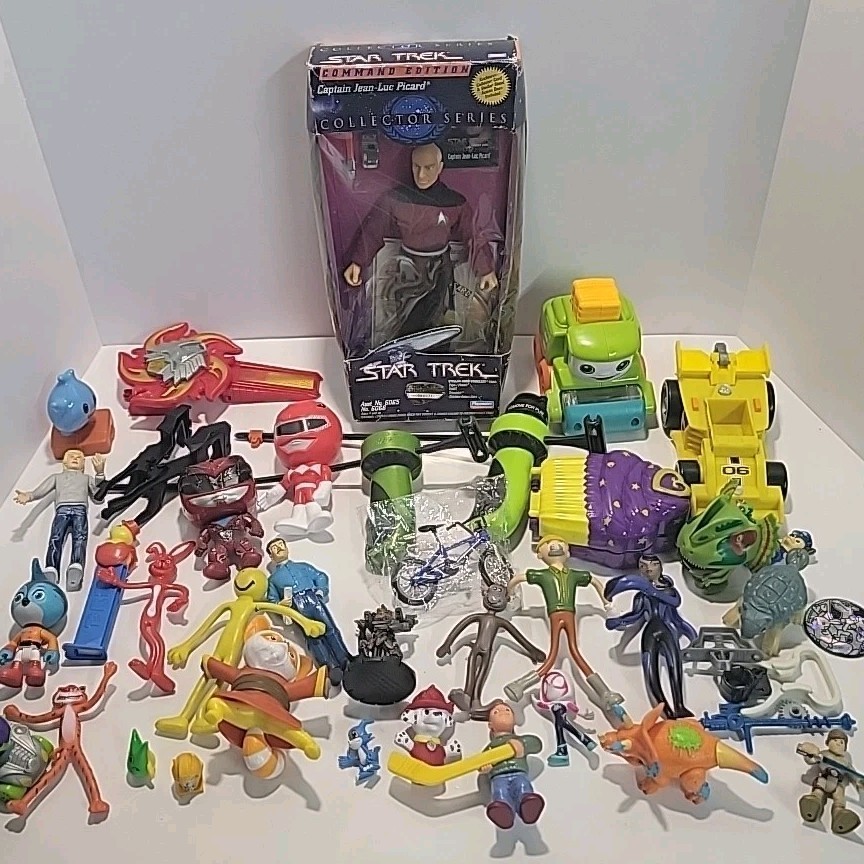
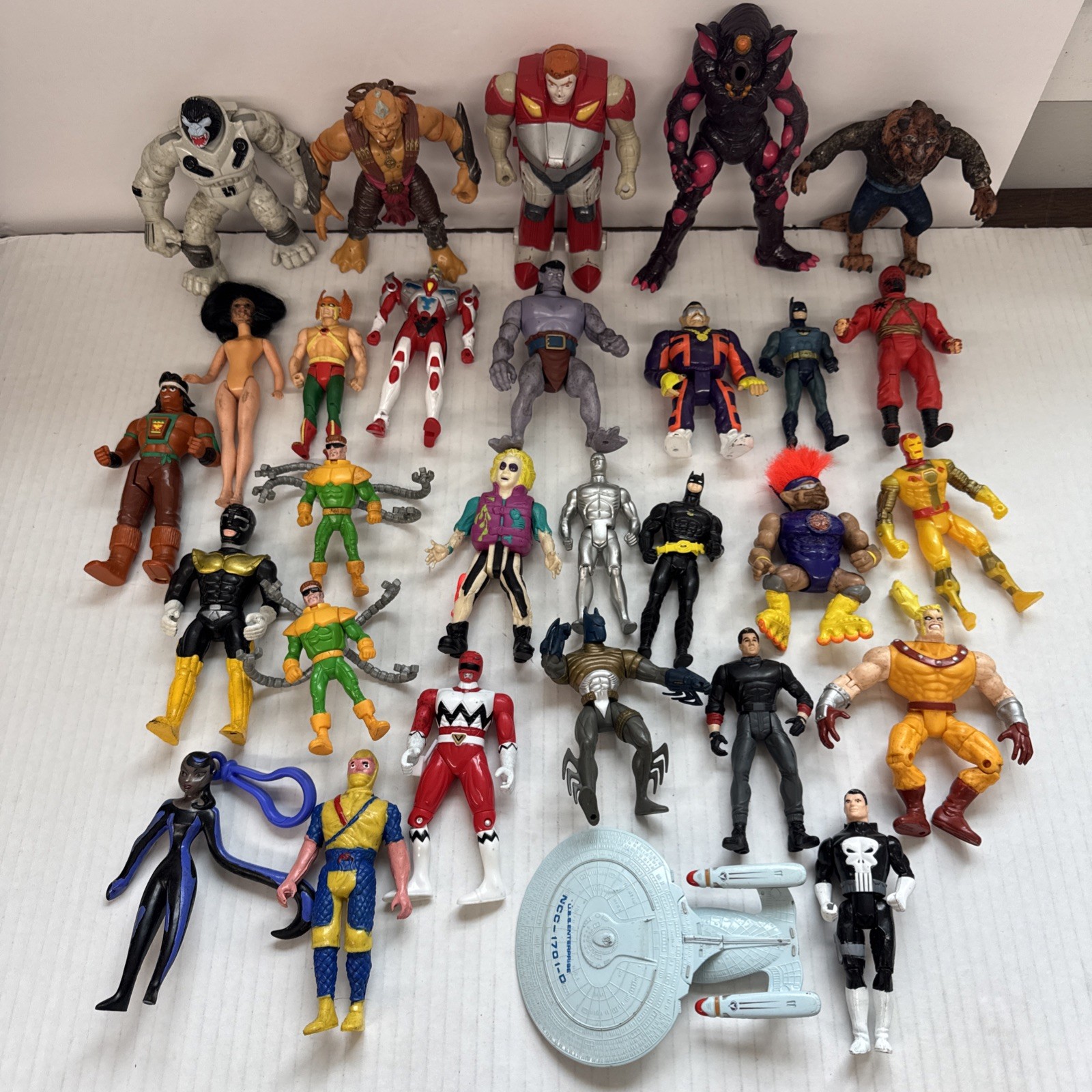
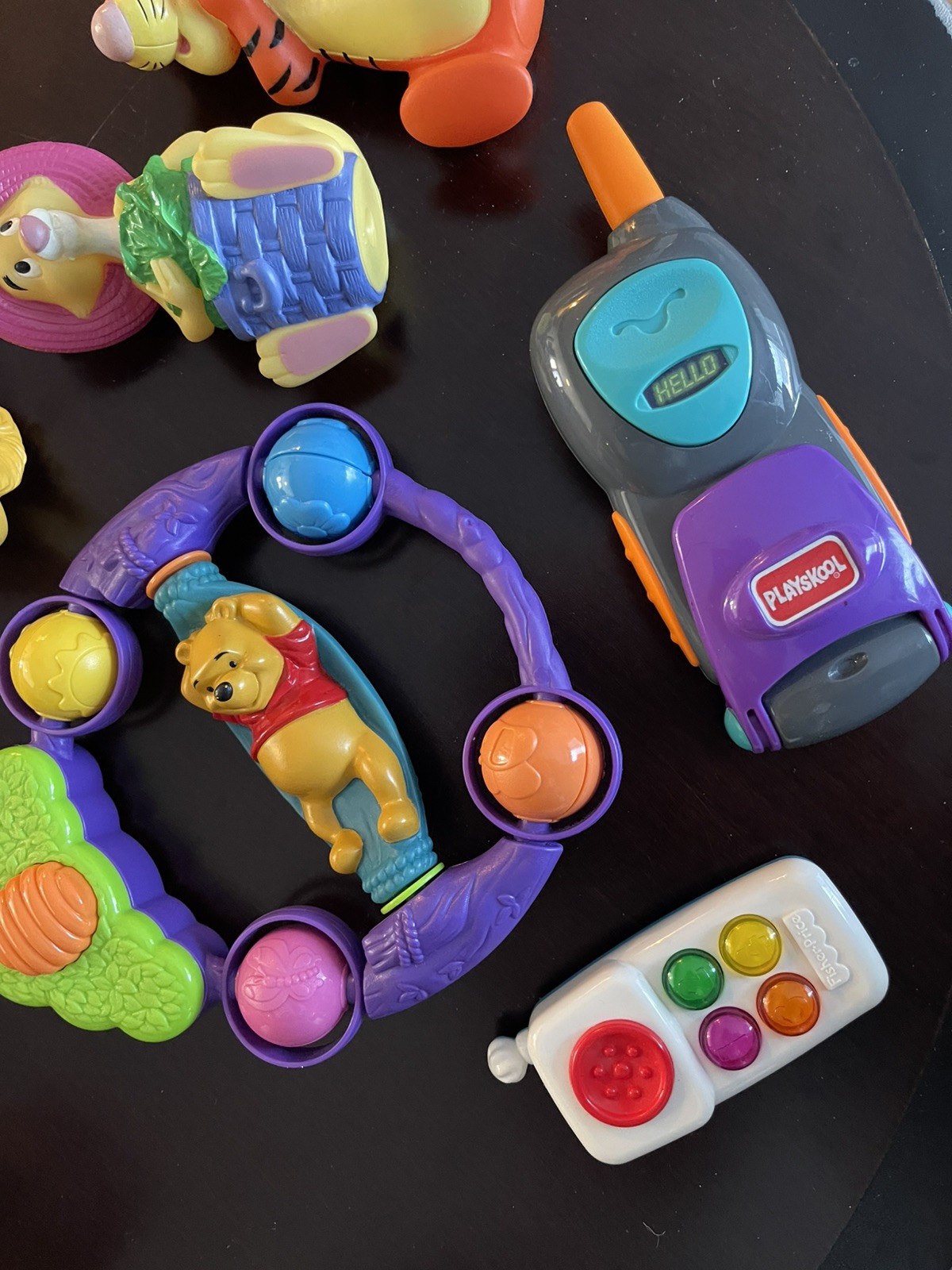
eBay links are affiliate links: JunkPal may earn a commission at no cost to you.
Resale values related to complete set
Shop complete set on eBay ↗![Freddy Funko As Chuckie [Purple Reptar] #SE (Freddy Funko)](https://storage.googleapis.com/images.pricecharting.com/44ekoa3vkmi47z5t/240.jpg)
![Count Chocula [Metallic] #1 (Ad Icons)](https://storage.googleapis.com/images.pricecharting.com/5ikn7jxdbsheixqw/240.jpg)

![Rey Mysterio [Black Mask] #6 (Wwe)](https://storage.googleapis.com/images.pricecharting.com/rv3l34vrvdhecvrt/240.jpg)
![Brook [NYCC] #358 (Animation)](https://storage.googleapis.com/images.pricecharting.com/xdme4xm2ktocxxz2/240.jpg)
![Murloc [Green, GITD] #33 (Games)](https://storage.googleapis.com/images.pricecharting.com/b4gnqe4yood3rou5/240.jpg)
![Wicked Witch [Metallic] #8 (Movies)](https://storage.googleapis.com/images.pricecharting.com/ydpyohrijqtht6km/240.jpg)
![Gol D. Roger [Gold] #1274 (Animation)](https://storage.googleapis.com/images.pricecharting.com/eua34gmq5r7espwl/240.jpg)
JunkPal may earn a commission when you buy through eBay links, at no extra cost to you.
What’s worth the most
Ranked on medians of real closed eBay sales, not asking prices.