What does “color shifting” mean?
What it means
Color shifting, in the context of collectible toys, refers to the optical illusion where a surface changes apparent hue based on the angle of incident light or the viewer's perspective. This is not a simple paint job; it requires specialized materials—such as interference pigments, holographic foils, or specific iridescent polymers—to achieve the effect. The mainstream equivalent is iridescence. In collecting, this feature is a deliberate, high-end manufacturing characteristic, distinguishing premium variants from standard releases.
What it does to price
The presence of a vibrant, consistent color shift acts as a direct value multiplier. A toy exhibiting excellent, factory-grade color shifting can command a 1.3x to 2.5x premium over an identical, non-shifting counterpart, assuming all other factors (condition, rarity) are equal. Poor application—streaks, dull patches, or inconsistent color transitions—can reduce the value by 15% to 30%. For example, a standard figure selling for \$50 might fetch \$65 to \$125 if the color shift is flawless and pronounced.
How to spot it
Inspect the toy under multiple light sources. Direct, harsh light often reveals the intended color transition, while diffused light shows the base color. Look for uniformity across large surfaces; a good shift should be consistent across the entire painted area, not just in small spots. Common pitfalls include "cheap shimmer," which is glitter rather than true color shifting, or "off-angle failure," where the effect only works perfectly from one specific viewing angle. Sellers should provide high-resolution macro shots taken at 45-degree angles.
Buying smart
Paying a premium for color shifting is justified when the effect is integral to the toy's advertised premium line (e.g., "Chroma Edition," "Prism Variant"). If the shift is subtle, requires extreme angles to see, or appears patchy, the premium is likely inflated. A fair deal involves a price increase that reflects the *quality* and *consistency* of the effect, not just its mere presence. If the shift is weak, the discount should be substantial.
Selling smart
Documentation is paramount for maximizing return. Listings must explicitly state the quality of the shift (e.g., "Vivid, full-spectrum shift" vs. "Subtle, limited shift"). The single most effective photo is a close-up shot taken under a bright, angled light source that clearly demonstrates the color transition. Using the term "True Color Shift" in the description, backed by visual proof, earns the highest buyer confidence and justifies the top-tier pricing bracket.
On eBay right now
Current asking prices from live listings — not sold-comp medians.

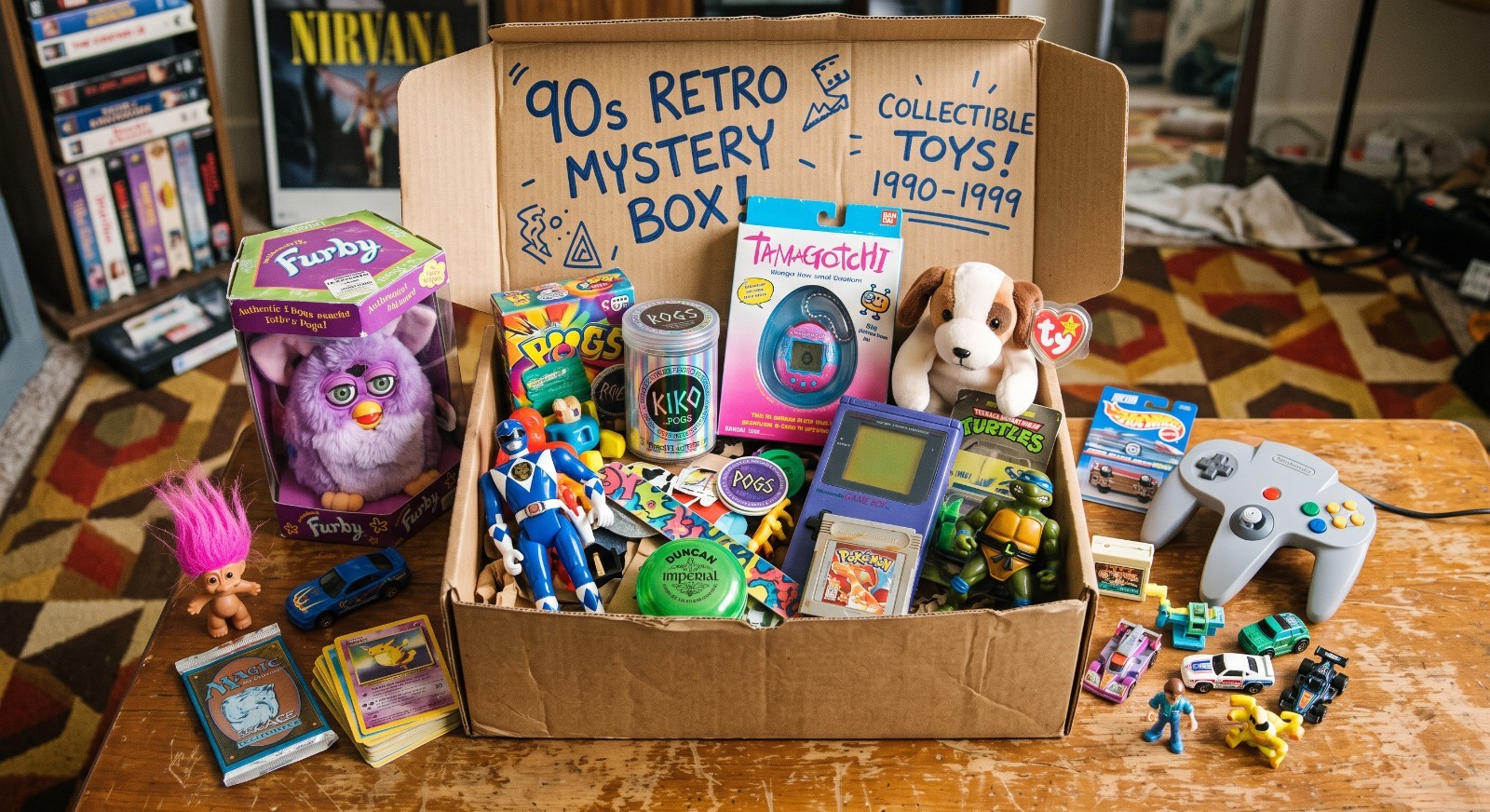

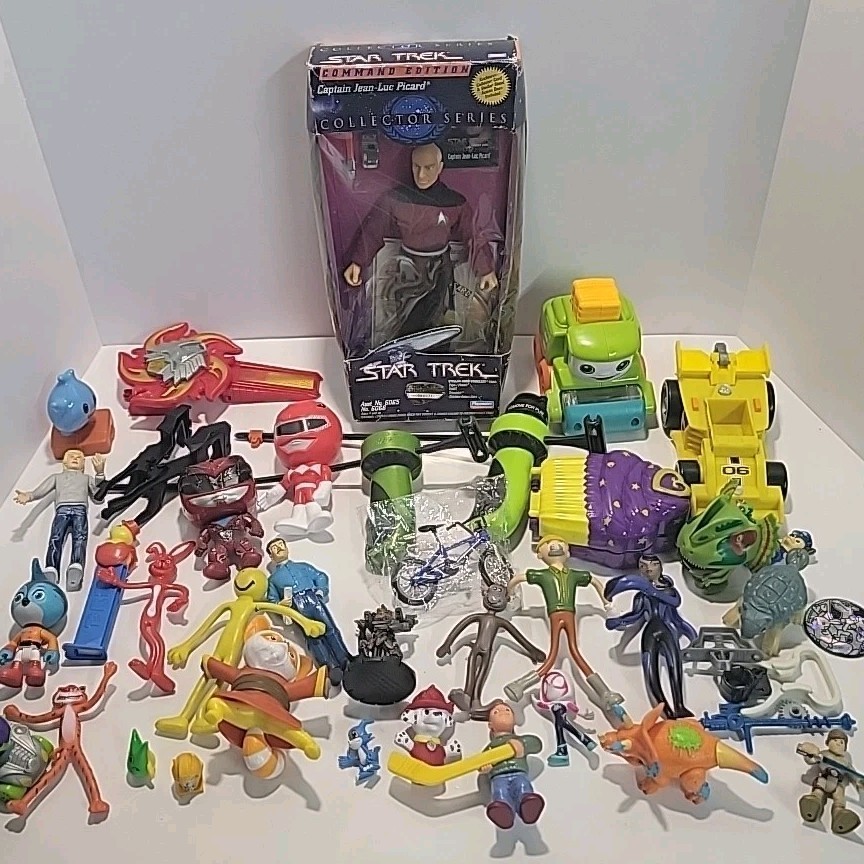


eBay links are affiliate links: JunkPal may earn a commission at no cost to you.
Resale values related to color shifting
Shop color shifting on eBay ↗
![Franny Funko As Azula [GITD] #SE (Freddy Funko)](https://storage.googleapis.com/images.pricecharting.com/sbtbm36tc3awdk6b/240.jpg)


![Freddy Funko As Michael Myers [Blacklight] #SE (Freddy Funko)](https://storage.googleapis.com/images.pricecharting.com/bxsn4yq4ujnkegsp/240.jpg)

JunkPal may earn a commission when you buy through eBay links, at no extra cost to you.
What’s worth the most
Ranked on medians of real closed eBay sales, not asking prices.