What does “collector variant” mean?
What it means
A collector variant is a specific, non-standard iteration of a mass-produced toy. It is not simply a different color run; it is a deliberate deviation from the primary retail release that creates scarcity. This deviation can manifest as unique paint applications (e.g., metallic finish, special weathering), exclusive packaging configurations (e.g., windowless boxes, specific inserts), or minor tooling differences (e.g., a different head sculpt mold). The mainstream equivalent is a "special edition" or "limited run," but in collecting, the term implies a verifiable, traceable difference that affects market value.
What it does to price
Variants inherently command a premium over the common release. The multiplier is highly dependent on scarcity. A standard, common release might sell for $20. A verified, low-run variant in the same condition could fetch 2x to 5x that price, reaching $40 to $100. Factors pushing the price up include documented low production numbers or distribution exclusivity (e.g., retailer exclusives). Factors pulling the price down include poor condition, ambiguity regarding the variant status, or if the "variant" is later discovered to be a widespread promotional item. A minor paint variation on a standard figure might only add 10-20% to the price, whereas a unique, sealed convention exclusive can easily triple the base value.
How to spot it
Verification requires close inspection. Look for specific markings: unique SKU numbers on the box, specific copyright dates, or subtle mold changes visible under magnification (e.g., a different seam line on an accessory). If the variant is color-based, compare it directly to known reference photos of the standard release. Sellers must provide high-resolution photos of the identifying feature—not just the toy, but the packaging labels or the specific part in question. Common pitfalls include "factory errors" being mistaken for intentional variants; these are usually not collectible unless documented by the community.
Buying smart
Paying a premium for a variant is justified only when the scarcity is proven and the condition is high grade (Near Mint/Mint). If the premium is based on vague claims ("I think this is a variant"), the risk is too high. A fair deal involves the asking price being within 1.5x to 2x the established market rate for the common version, provided the variant is confirmed as rare. If the difference is marginal (e.g., a slightly different sticker), the premium should not exceed 30%. Otherwise, the cost of the premium outweighs the potential gain.
Selling smart
Listing a variant requires precise terminology. Do not simply state "special edition." Use the specific identifier (e.g., "Convention Exclusive," "Chase Variant," "Color Shift"). The single most valuable asset in a listing is a clear, close-up photo isolating the distinguishing feature—the unique paint application, the specific sticker, or the unique packaging insert. This photo acts as proof of authenticity and scarcity, allowing the seller to justify the higher asking price and move beyond the common market rate.
On eBay right now
Current asking prices from live listings — not sold-comp medians.

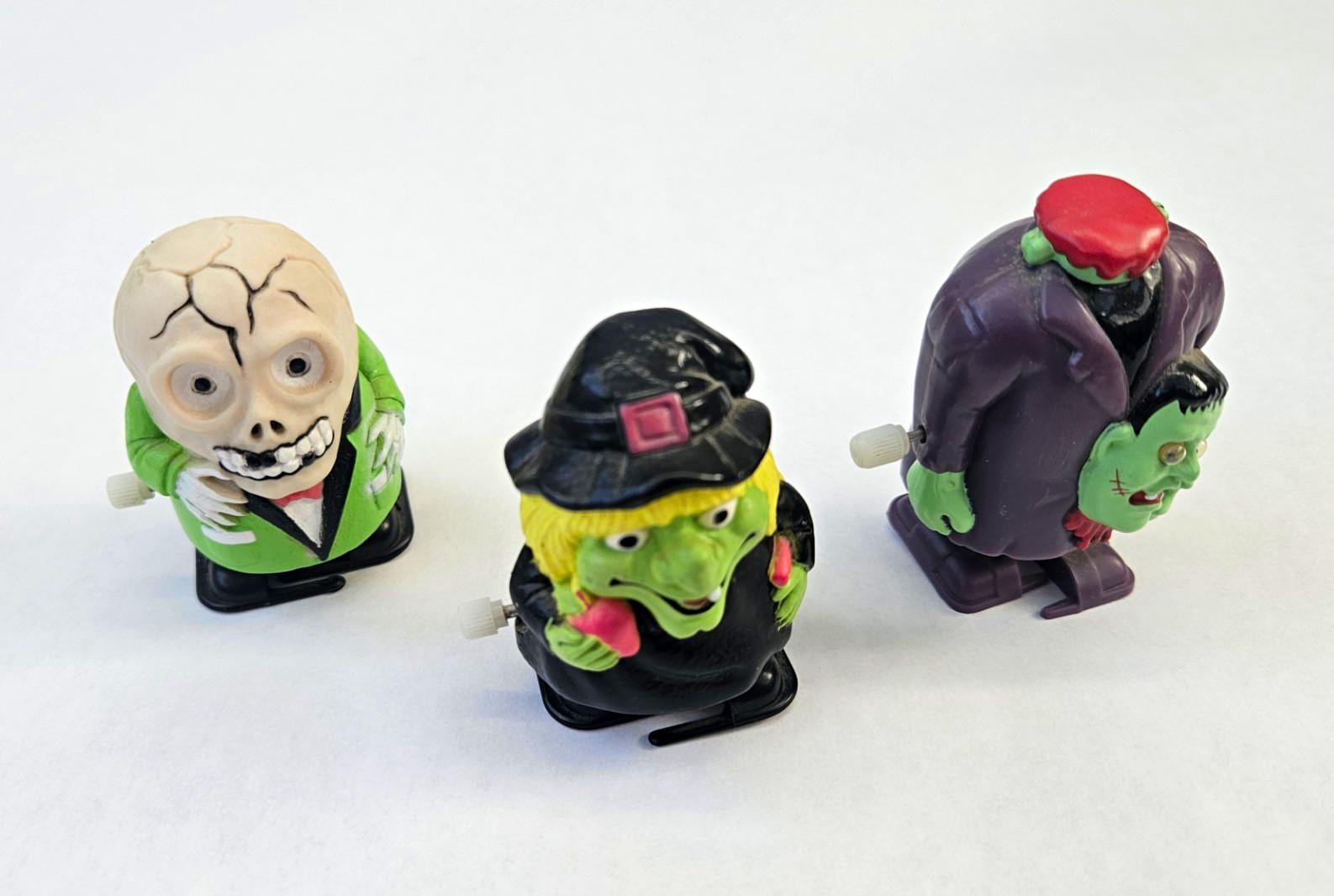
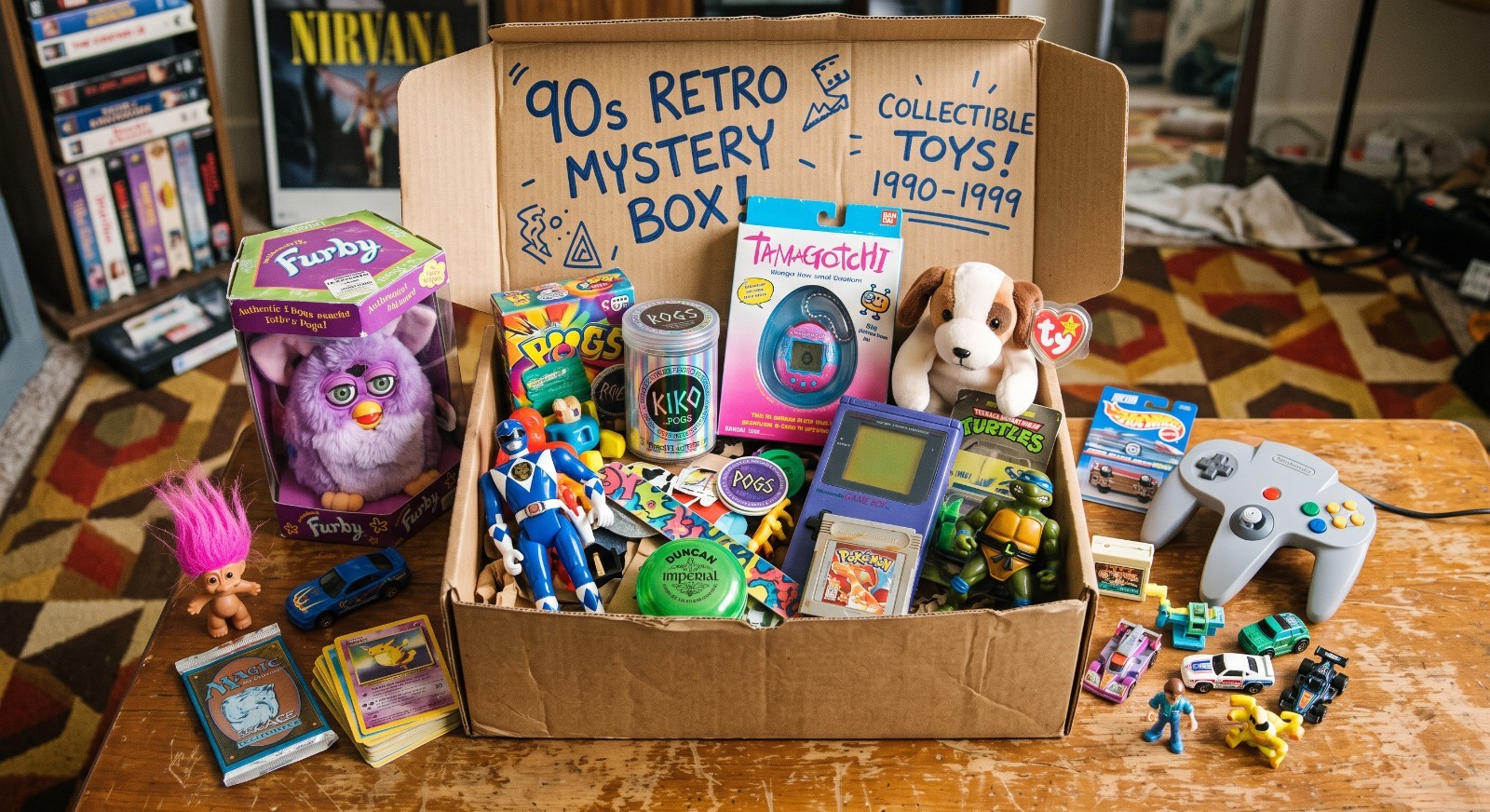


eBay links are affiliate links: JunkPal may earn a commission at no cost to you.
Resale values related to collector variant
Shop collector variant on eBay ↗![Sung Jinwoo E-Rank [CCXP] #1941 (Animation)](https://storage.googleapis.com/images.pricecharting.com/42ecy45hl6gy6uef/240.jpg)
![Conehead Zombie [Metallic] #5 (Games)](https://storage.googleapis.com/images.pricecharting.com/oaiue4z5mpx3iw67/240.jpg)
![Freddy Funko Cuphead Devil [Red] #SE (Freddy Funko)](https://storage.googleapis.com/images.pricecharting.com/mw4amgqmd2az3zlh/240.jpg)
![Franken Berry [Metallic] #2 (Ad Icons)](https://storage.googleapis.com/images.pricecharting.com/qrurqqrucql2q6ks/240.jpg)


JunkPal may earn a commission when you buy through eBay links, at no extra cost to you.
What’s worth the most
Ranked on medians of real closed eBay sales, not asking prices.