What does “collector grade packaging” mean?
What it means
Collector grade packaging refers to the original, factory-supplied container for a toy, maintained in excellent condition. This includes boxes, blister cards, clamshells, and any protective wrapping. For the collector market, the packaging is not merely storage; it is part of the item’s presentation and authenticity. The condition is assessed on a scale, often Mint (M) or Near Mint (NM). A "complete" item requires both the toy and its original packaging to be present and undamaged. This is the mainstream equivalent of "Mint in Box" (MIB) or "Complete in Box" (CIB).
What it does to price
Packaging condition acts as a direct multiplier on the base value of the toy. A toy in pristine, factory-sealed packaging (CIB) typically fetches 1.5x to 4x the price of the same toy sold loose (out of box). Minor flaws—a small crease on the corner of a box or light scuffing on a card—can reduce this multiplier by 20-40%. Conversely, missing original packaging can cause a drop of 50% or more, regardless of the toy's internal condition. For example, a rare action figure valued at $100 loose might sell for $250+ if it retains its original, sealed box.
How to spot it
Inspection requires close examination of all surfaces. Look for signs of shelf wear: corner dings, seam splits on boxes, yellowing of cardboard, or fading on printed graphics. Blister cards must have clear plastic intact, without pinholes or yellowing. Sellers must provide high-resolution photos of all four sides of the box, the card backing, and any visible seams. Common issues include "box dents" (minor impact damage) versus "creases" (structural damage). Fakes or reproductions are usually identifiable by poor print quality or incorrect UPC/edition stamps on the packaging itself.
Buying smart
Paying a premium for collector grade packaging is justified when the item is rare, vintage, or highly sought after by dedicated collectors (e.g., limited edition runs). The premium is worth it if the packaging is factory-sealed and flawless, as this guarantees provenance and maximum display value. It is not worth the premium for common, modern items where the toy's internal condition is the primary driver of value. A fair deal involves a price that reflects the packaging grade—a $50 item in perfect MIB condition should not be priced the same as a $50 item that is loose.
Selling smart
To maximize return, the listing must explicitly detail the packaging grade. Use precise terminology: "Mint in Box," "Near Mint Card," or "Complete, minor shelf wear." The single most effective element in a listing is a high-resolution, well-lit photograph of the *entire* packaging, showing the front, back, and sides. If the packaging is sealed, a photo showing the factory seal intact is crucial. This visual proof justifies the premium price and filters out low-ball offers from buyers who are only interested in the loose toy.
On eBay right now
Current asking prices from live listings — not sold-comp medians.

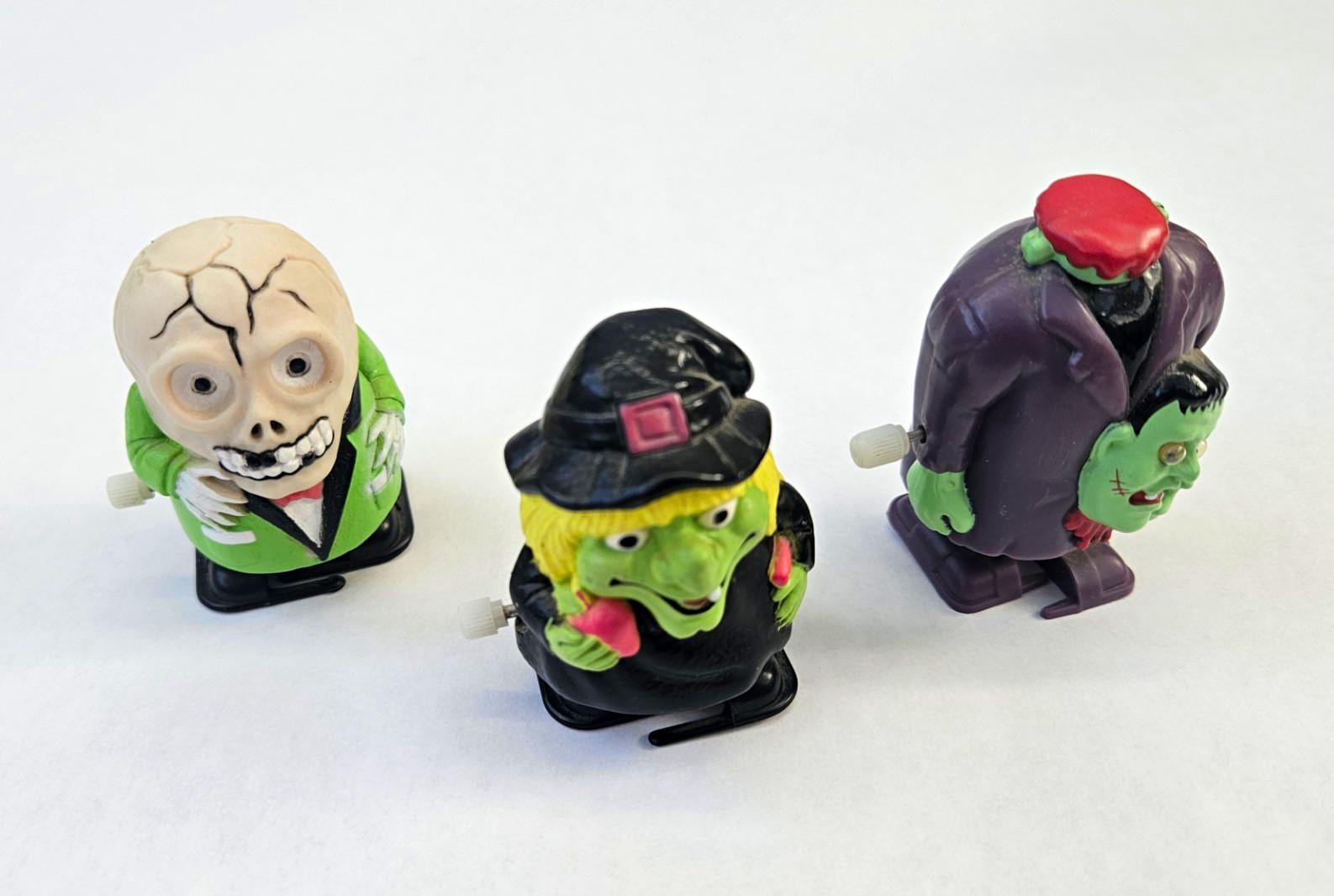
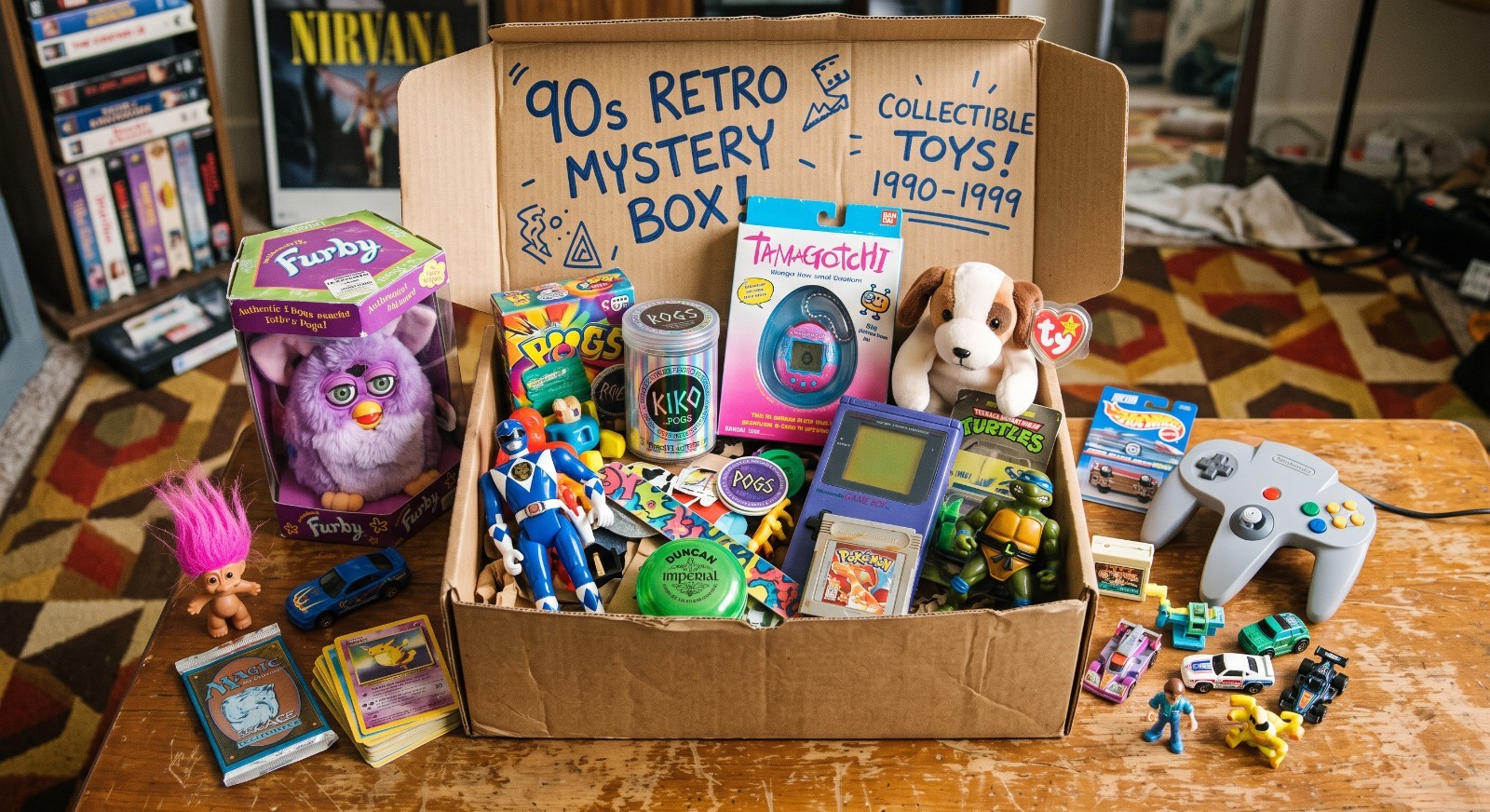


eBay links are affiliate links: JunkPal may earn a commission at no cost to you.
Resale values related to collector grade packaging
Shop collector grade packaging on eBay ↗![Batman [Black And White] #621 (Heroes)](https://storage.googleapis.com/images.pricecharting.com/jnmlup4n7nvvycf4/240.jpg)

![Batman [Pink Chrome] #144 (Heroes)](https://storage.googleapis.com/images.pricecharting.com/rc4m7ipqj3ity5je/240.jpg)

![Freddy Funko As Frodo Baggins [Immortalized] #SE (Freddy Funko)](https://storage.googleapis.com/images.pricecharting.com/kjrzj73hqad4mfye/240.jpg)

JunkPal may earn a commission when you buy through eBay links, at no extra cost to you.
What’s worth the most
Ranked on medians of real closed eBay sales, not asking prices.