What does “collector edition” mean?
What it means
A "collector edition" is a specific, intentionally limited production run of a toy. This designation separates it from the standard mass-market retail release. The defining characteristic is scarcity, achieved through restricted distribution, unique packaging treatments (e.g., window box variations, slipcases), or inclusion of exclusive, non-standard accessories or paint applications. The term is not merely marketing fluff; it signifies a deviation from the baseline product run. For a reseller, this translates to a verifiable scarcity factor that drives secondary market demand.
What it does to price
Collector editions command a premium over standard retail versions. The multiplier depends heavily on the perceived scarcity and the condition of the packaging. A complete, sealed (CIB) collector edition typically fetches 1.8x to 4x the price of a standard retail equivalent, depending on the line's overall collector base. Minor variations, such as an unpainted prototype variant, can see multipliers exceeding 10x. Conversely, if the "collector edition" is later found to be a simple retailer promotion rather than a true limited run, the premium collapses, often resulting in a price parity with the standard item. For example, a standard action figure might sell for \$20; a verified, limited-run collector version in mint condition could easily sell for \$50 to \$80.
How to spot it
Verification requires looking beyond the primary product. Key tells include specific SKU variations, unique production codes printed on the box or internal packaging, or explicit numbering (e.g., "1 of 500"). If the toy is loose, check for subtle paint differences or tooling marks that distinguish it from the standard mold. Sellers must provide high-resolution images of the packaging's fine print. Common mistakes include confusing retailer exclusives (which are often not truly limited) with manufacturer-stamped collector editions. Always cross-reference known release data for the specific toy line.
Buying smart
The premium is justified when the scarcity is genuine and verifiable. Paying a high premium is worthwhile for items tied to significant cultural milestones or highly anticipated, small-batch releases from established, reputable brands. It is not worth the premium if the item is merely a "special packaging" run that was widely distributed through secondary retail channels. A fair deal involves the asking price being within 10-20% of the established secondary market average for verified, comparable items. If the seller cannot provide documentation confirming the limited nature of the release, the premium should be discounted heavily.
Selling smart
Proving the edition status is the primary driver of increased sale price. Listing descriptions must explicitly state the edition name, the production run size (if known), and any unique identifiers. High-resolution photos must capture the specific variant markings or unique packaging elements clearly. The one element that earns the premium is the verifiable proof—a clear photograph of the edition number or the specific manufacturer's limited-run seal. Without this documentation, the item defaults to being sold as a standard release, regardless of its actual origin.
On eBay right now
Current asking prices from live listings — not sold-comp medians.

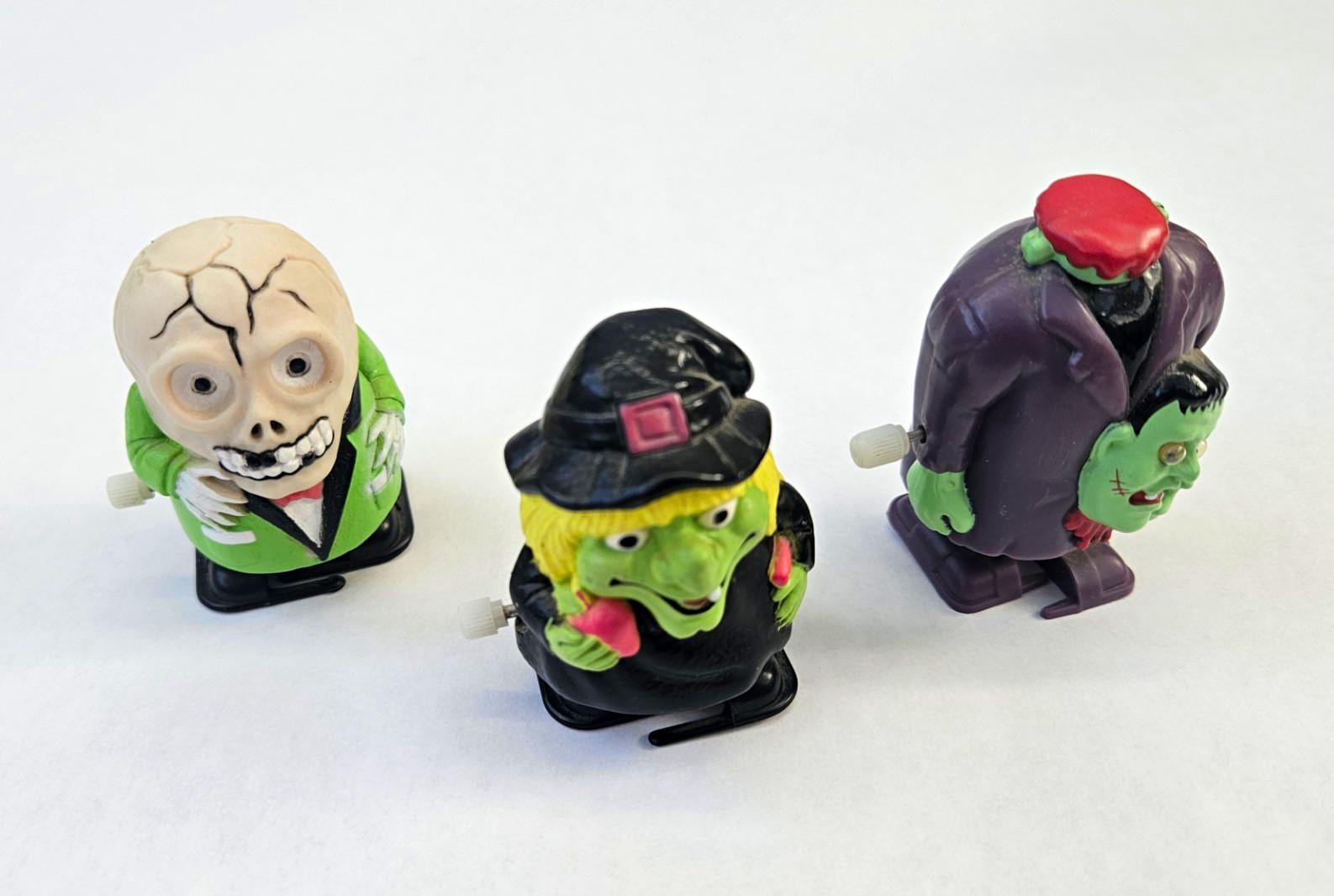
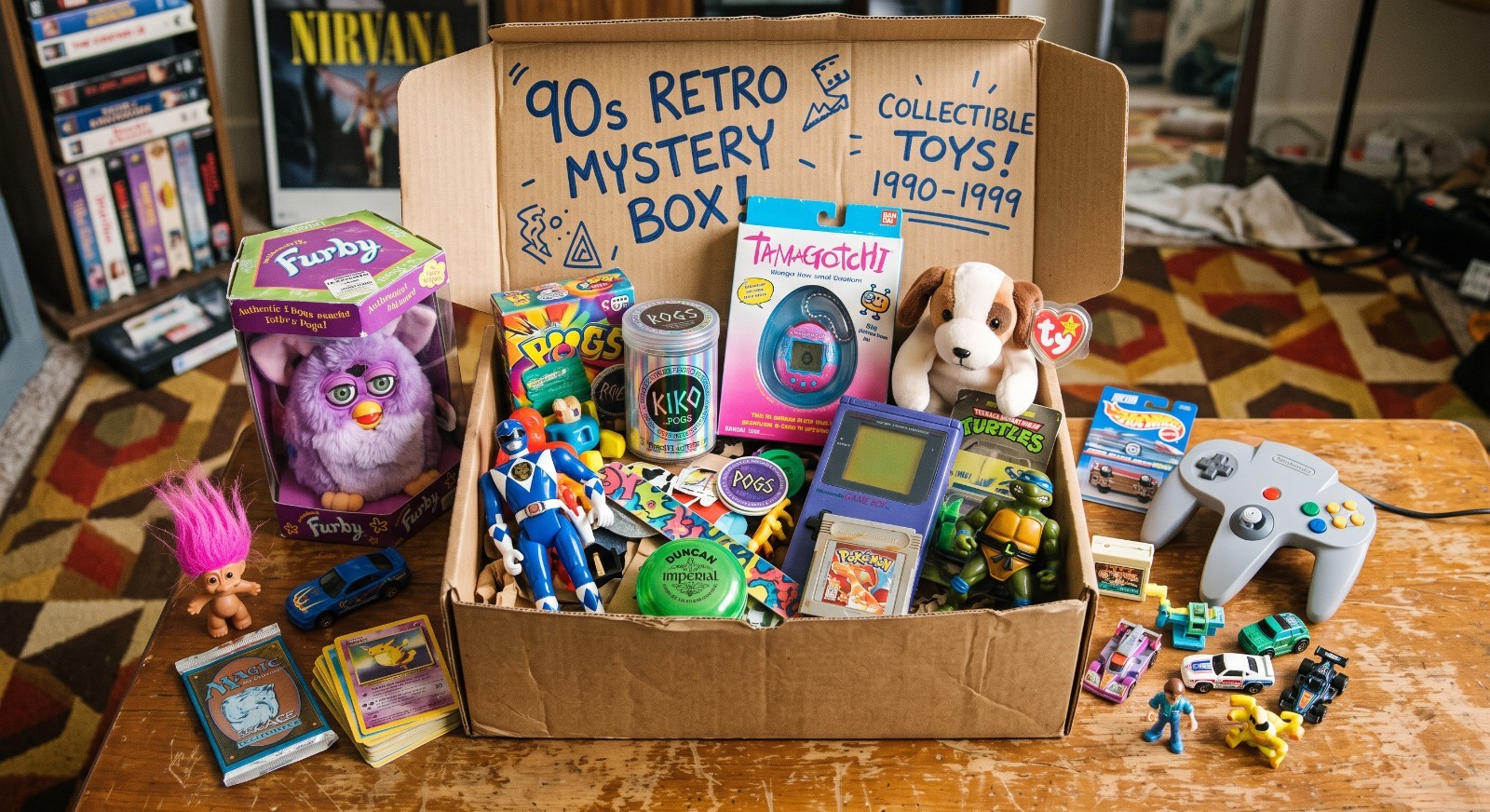


eBay links are affiliate links: JunkPal may earn a commission at no cost to you.
Resale values related to collector edition
Shop collector edition on eBay ↗![Disco Zombie [Metallic] #3 (Games)](https://storage.googleapis.com/images.pricecharting.com/dflh6idg3nnadoft/240.jpg)
![Cheshire Cat [SDCC] #35 (Disney)](https://storage.googleapis.com/images.pricecharting.com/znaeygzbpqtu5pa3/240.jpg)
![Skeletor [Metallic] #19 (Television)](https://storage.googleapis.com/images.pricecharting.com/wzrskfwc6fchh2ed/240.jpg)
![Freddy Funko Pink Hair [SDCC] #SE (Freddy Funko)](https://storage.googleapis.com/images.pricecharting.com/2ssbuzc2k7p3uovu/240.jpg)
![Freddy Funko As Genie [Metallic] #SE (Freddy Funko)](https://storage.googleapis.com/images.pricecharting.com/32qervu2u4imw2rx/240.jpg)


JunkPal may earn a commission when you buy through eBay links, at no extra cost to you.
What’s worth the most
Ranked on medians of real closed eBay sales, not asking prices.