What does “collectible grading” mean?
What it means
Collectible grading is the formal evaluation of a toy's physical state by an independent, recognized third-party service. This service assigns a standardized numerical designation, typically on a scale (e.g., 1 to 10, or specific letter grades like Mint/Near Mint). This process moves beyond subjective terms like "good" or "excellent." Grading involves detailed assessment of specific damage points: paint degradation, structural stress (seams, joints), completeness (missing components), and packaging integrity (box dents, seal breaks). The resulting grade is a verifiable, objective metric of the toy's condition, serving as a proxy for authenticity and preservation.
What it does to price
The grade is a primary determinant of market value. A professionally graded item, sealed in a protective case (e.g., AFA or similar), commands a significant premium over the same item sold loose (ungraded). Generally, a high-grade, sealed piece can fetch 2x to 5x the price of a comparable loose version, depending on the rarity of the toy line. Minor flaws—such as a small seam crack or minor box corner wear—will drop the grade and subsequently reduce the realized price by 15-30% compared to a perfect grade. For example, a rare action figure graded 9.5 might sell for $800, while the exact same figure ungraded with minor box damage might sell for $550.
How to spot it
The telltale sign of grading is the presence of a tamper-evident plastic case affixed to the toy and/or its packaging, bearing the grading company's official label and grade number. Sellers must provide high-resolution photos of the label itself, not just the toy. Common mistakes include sellers claiming an item is graded when it is merely *protected* in a plastic clamshell (which is not official grading). Fakes often feature poorly printed labels or incorrect company logos. Always verify the grading company's specific checklist for that toy line; a "Mint" grade standard for a vintage toy differs significantly from a modern collectible standard.
Buying smart
Paying a premium for a graded item is justified when the toy is extremely rare, highly sought after, or when the buyer requires absolute assurance of condition for investment purposes. If the toy is common or the price premium is less than 30% over a verified loose copy, the risk/reward calculation often favors buying ungraded, allowing for potential negotiation. A fair deal involves the graded price reflecting the established market rate for that specific grade level within the community, not just a random markup by the seller.
Selling smart
Listing a graded item with the official certification number prominently displayed immediately establishes trust and justifies the asking price. The one element that earns the premium is the *certification label itself*—a clear, unobstructed photo of the grade sticker. Listing the item as "Graded [Grade Number]" rather than "Mint Condition" is crucial. This shifts the burden of condition verification from the buyer's subjective opinion to the third-party certifier's objective data.
On eBay right now
Current asking prices from live listings — not sold-comp medians.

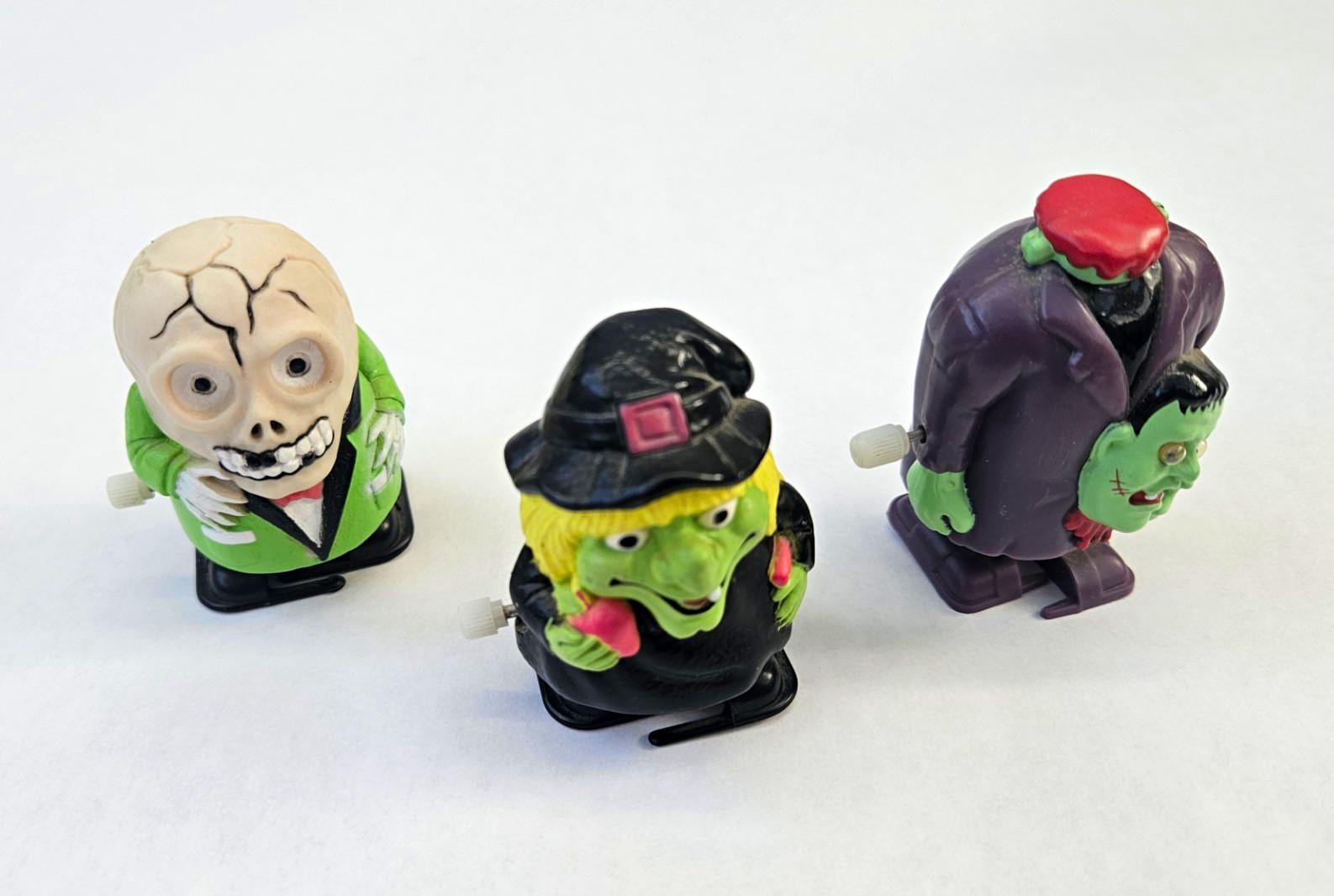
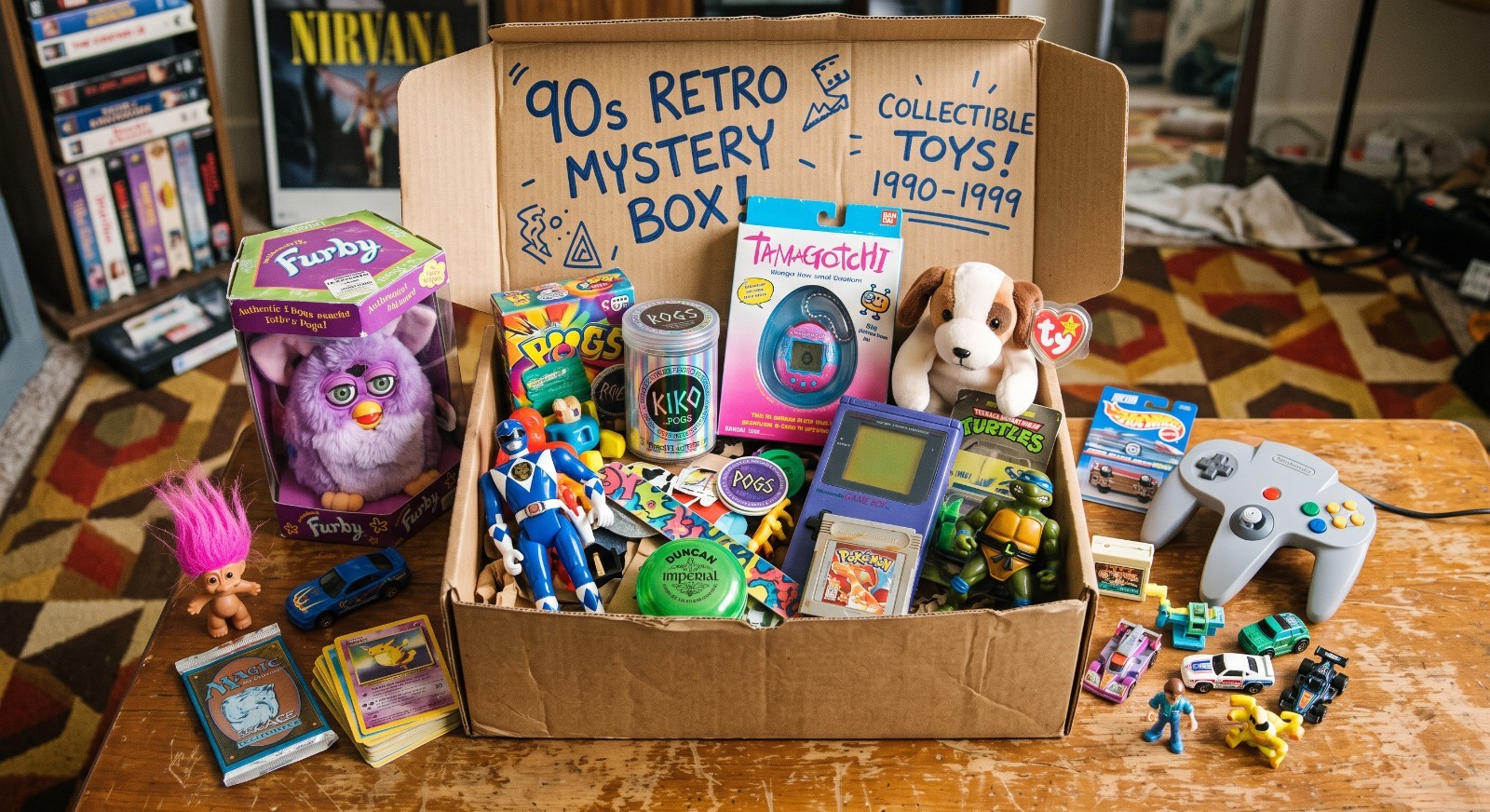


eBay links are affiliate links: JunkPal may earn a commission at no cost to you.
Resale values related to collectible grading
Shop collectible grading on eBay ↗![Martian Manhunter [Metallic] #18 (Heroes)](https://storage.googleapis.com/images.pricecharting.com/obmgxln52wkhzrkb/240.jpg)
![Winged Monkey [Metallic] #9 (Movies)](https://storage.googleapis.com/images.pricecharting.com/k2nhg6kqbxpf5c2f/240.jpg)
![Andy Dwyer [Fugitive Toys 500] #533 (Television)](https://storage.googleapis.com/images.pricecharting.com/7kkbiohjl6bacja3/240.jpg)

![Freddy Funko As White Ranger [SDCC] #SE (Freddy Funko)](https://storage.googleapis.com/images.pricecharting.com/qvpx6g26q24wi5gi/240.jpg)


JunkPal may earn a commission when you buy through eBay links, at no extra cost to you.
What’s worth the most
Ranked on medians of real closed eBay sales, not asking prices.