What does “chase figure” mean?
What it means
A chase figure is a deliberately scarce, alternate version of a standard, mass-produced collectible toy or figure. It is not simply a repaint or a minor accessory variation; it is a distinct, limited-run variant produced alongside the common release. The core concept is manufactured scarcity. Mainstream equivalent: a limited edition item. The value proposition hinges entirely on the intentional low production run compared to the standard release.
What it does to price
The rarity directly dictates the price premium. A chase figure, even in loose condition, typically commands a 2x to 5x multiplier over its standard counterpart. If a common figure sells for $20, a confirmed chase version can easily sell for $40 to $100 or more, depending on the line's overall market depth. Factors pushing the price up include high perceived rarity (e.g., only 1 in 100 produced) and high desirability within the fandom. Price dips occur if the chase variant is poorly executed or if the manufacturer later releases a larger, more accessible variant.
How to spot it
Identification requires scrutiny beyond the box art. Look for subtle differences in paint application, mold changes, or unique accessory inclusions. Many manufacturers use specific, often small, edition stamps on the base, inner packaging, or instruction sheets. If no visible marker exists, high-resolution photos of the figure’s back or underside are necessary for verification. Common mistakes include mislabeling by retailers or simple production errors mistaken for intentional variants. Always cross-reference known variant lists for the specific product line.
Buying smart
Paying a premium is justifiable when the figure is confirmed to be a true, low-volume chase item from a highly sought-after line. If the premium is marginal (e.g., 1.2x to 1.5x) and the variant is not widely documented, the extra cost may not yield adequate return. Avoid paying excessive premiums for chase figures from lines that have already saturated the secondary market or whose initial hype has completely faded. A fair deal reflects the documented scarcity against the standard retail price.
Selling smart
Listing a chase figure requires immediate, unambiguous proof of its status. A generic listing will only attract buyers willing to pay standard rates. The single most valuable piece of evidence is a clear, close-up photograph of the specific edition marker or unique identifying feature mentioned in the manufacturer's documentation. Using the precise term "Chase Variant" in the title, backed by photographic evidence, immediately signals authenticity and justifies the higher asking price to informed collectors.
On eBay right now
Current asking prices from live listings — not sold-comp medians.

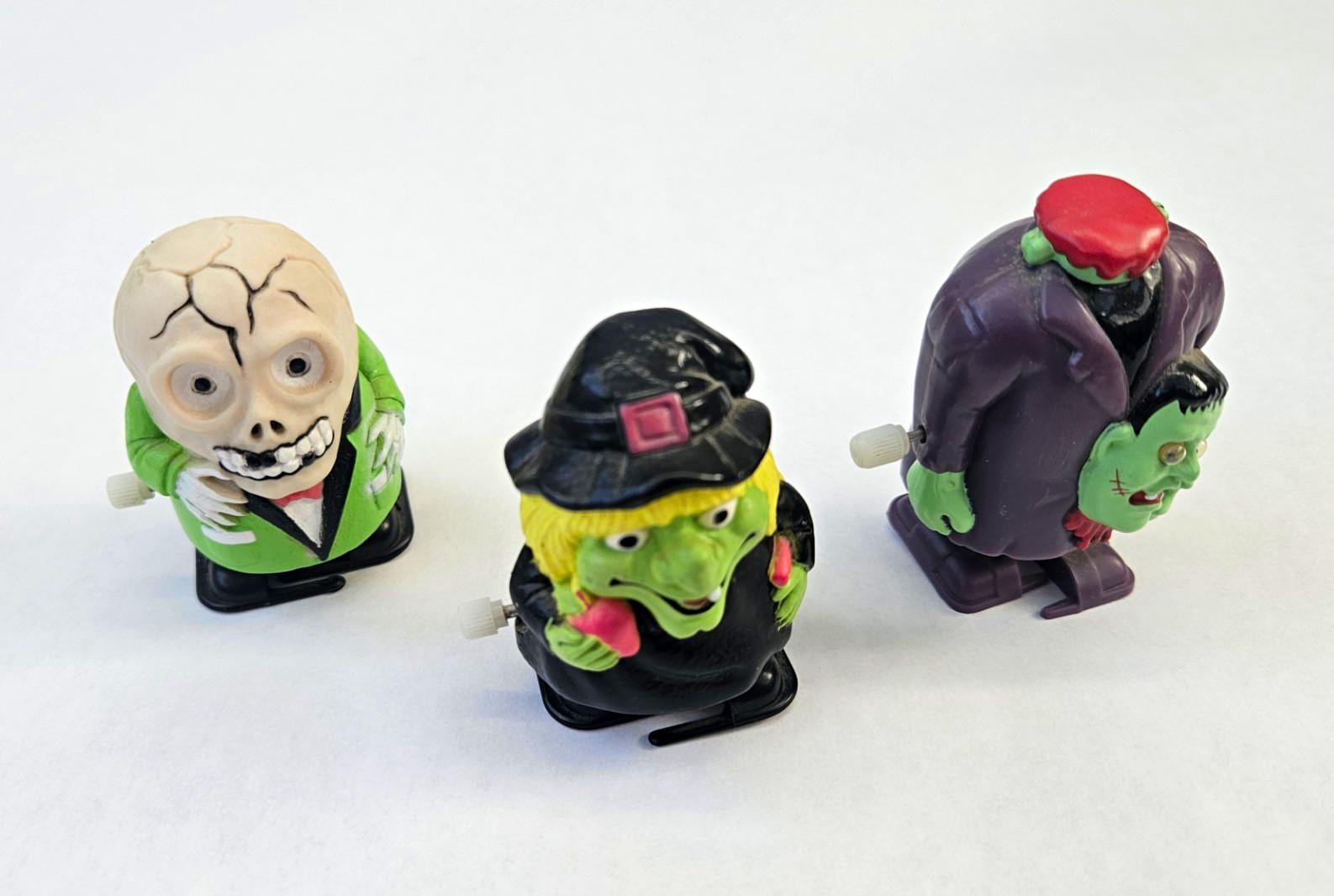
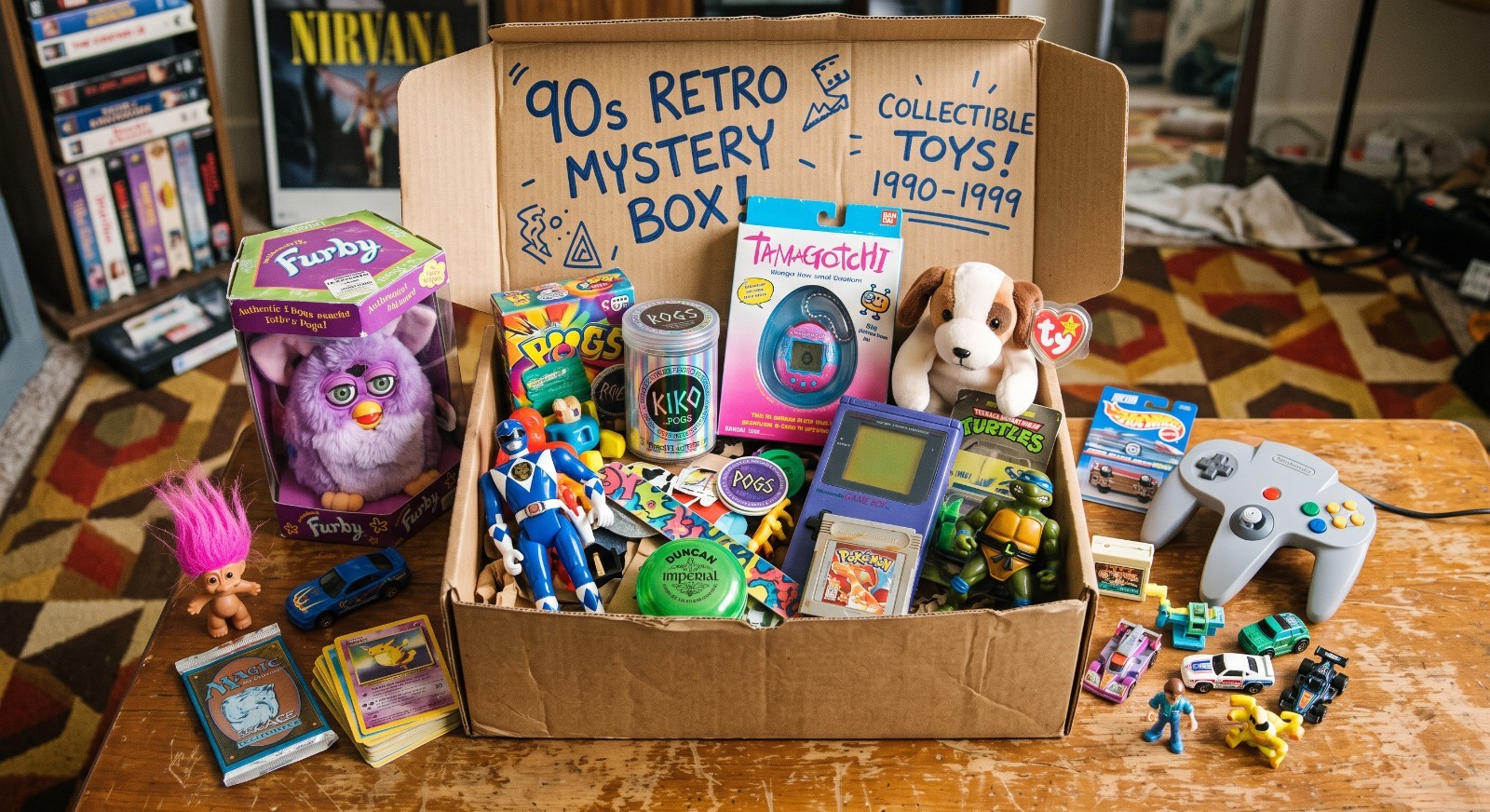


eBay links are affiliate links: JunkPal may earn a commission at no cost to you.
Resale values related to chase figure
Shop chase figure on eBay ↗![Freddy Funko Pink Hair [SDCC] #SE (Freddy Funko)](https://storage.googleapis.com/images.pricecharting.com/2ssbuzc2k7p3uovu/240.jpg)
![Freddy Funko As Genie [Metallic] #SE (Freddy Funko)](https://storage.googleapis.com/images.pricecharting.com/32qervu2u4imw2rx/240.jpg)


![Billy [GITD SDCC] #52 (Movies)](https://storage.googleapis.com/images.pricecharting.com/fa3pxsuhvgaziukq/240.jpg)
![Freddy Funko As Chuckie [Purple Reptar] #SE (Freddy Funko)](https://storage.googleapis.com/images.pricecharting.com/44ekoa3vkmi47z5t/240.jpg)
![Count Chocula [Metallic] #1 (Ad Icons)](https://storage.googleapis.com/images.pricecharting.com/5ikn7jxdbsheixqw/240.jpg)

JunkPal may earn a commission when you buy through eBay links, at no extra cost to you.
What’s worth the most
Ranked on medians of real closed eBay sales, not asking prices.