What does “carded vintage” mean?
What it means
Carded vintage refers to older toys that remain sealed within their original retail packaging. This is synonymous with "Mint In Box" (MIB) or "Complete In Box" (CIB), depending on whether the toy itself is sealed inside the packaging. The packaging is not merely a container; it is an integral part of the collectible asset. For the reseller, the packaging's integrity—the card, blister, or box—is as valuable as the toy inside. This niche requires the entire presentation to be intact to qualify as "carded."
What it does to price
The presence of original, undamaged packaging creates a substantial price multiplier. A loose, playable vintage toy might sell for $X; the identical toy in pristine, sealed carded condition typically commands 1.5x to 4x that price, depending on the rarity and demand of the specific line. Factors that significantly decrease value include creasing on the card backing, fading on the plastic bubble, or any evidence of prior opening (e.g., tape residue). For example, a common vintage action figure sold loose might fetch $15. The same figure in a factory-sealed, mint-condition card is likely to sell for $30–$60.
How to spot it
Authentication requires close examination of the packaging itself. Look for sharp corners, vibrant color saturation, and no signs of stress marks or hinge damage on the card backing. Key details to verify include original manufacturer stamps, UPC placement, and any unique security seals or factory tape. Common errors to watch for are "re-carding" (where a loose toy is placed into old, used packaging) or "tampering" (where the seal has been broken and reapplied). Sellers must provide high-resolution photos showing the entire perimeter of the packaging, not just the front display.
Buying smart
Paying a premium for carded vintage is justified when the item is a highly sought-after, rare piece, or when the buyer specifically requires the display-ready presentation. If the item is common or low-value, the premium often does not cover the risk of poor condition. A fair deal involves the asking price being commensurate with the documented condition grade (e.g., Near Mint vs. Excellent). If a seller cannot provide clear, multi-angle photos verifying the seal and corners, the price should be discounted by at least 20% to account for inspection risk.
Selling smart
To maximize return, the listing must unequivocally prove the item’s sealed status. A single, high-resolution photograph showing the entire back and sides of the packaging, clearly displaying the original factory seals or blister integrity, is the most valuable asset in the listing. Use the term "Sealed" or "MIB" prominently in the title. Do not use vague terms like "good condition." Proving the packaging is untouched allows the seller to command the highest tier of collector pricing, often bypassing the discount associated with "used" or "opened" listings.
On eBay right now
Current asking prices from live listings — not sold-comp medians.

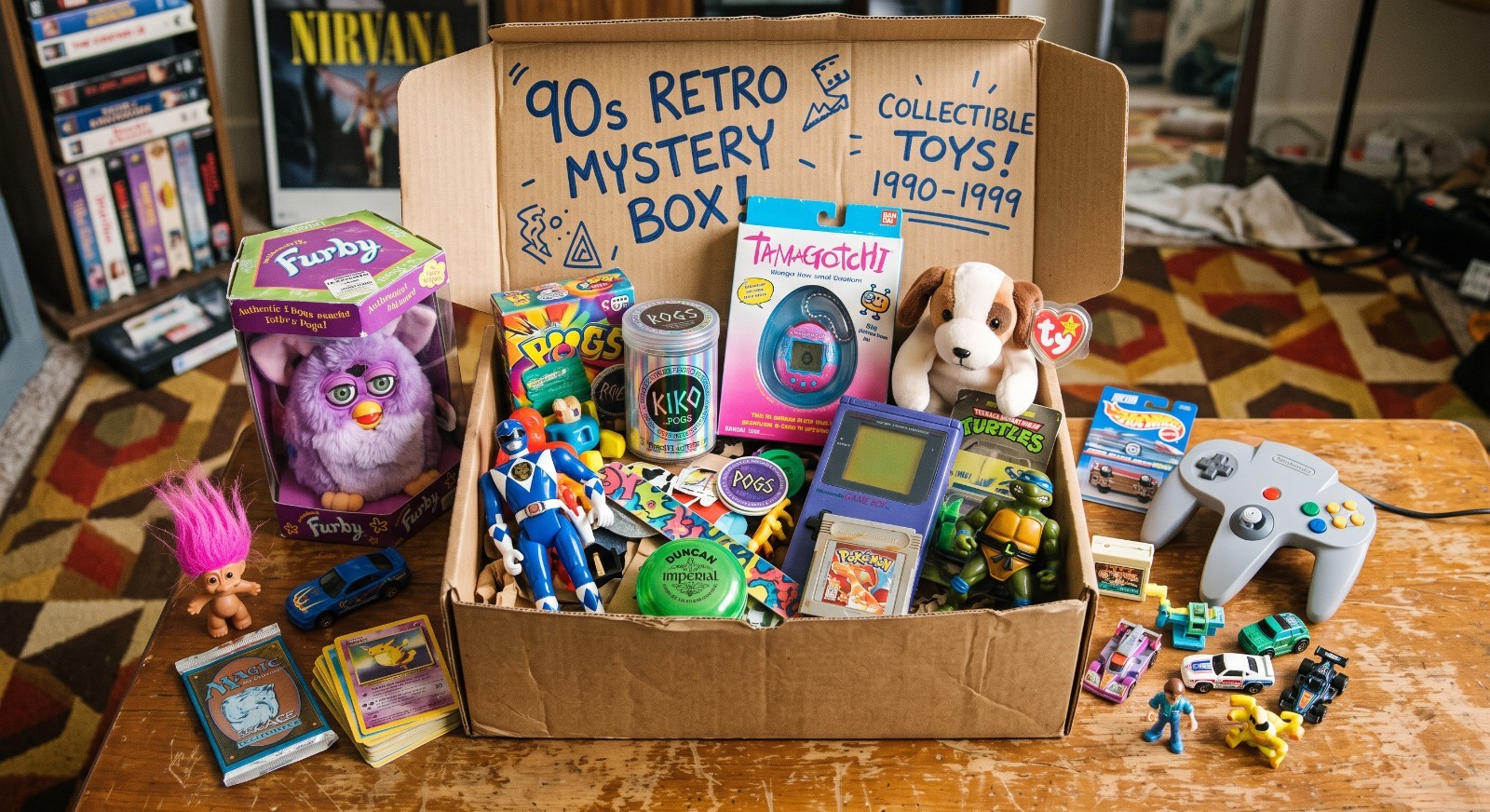

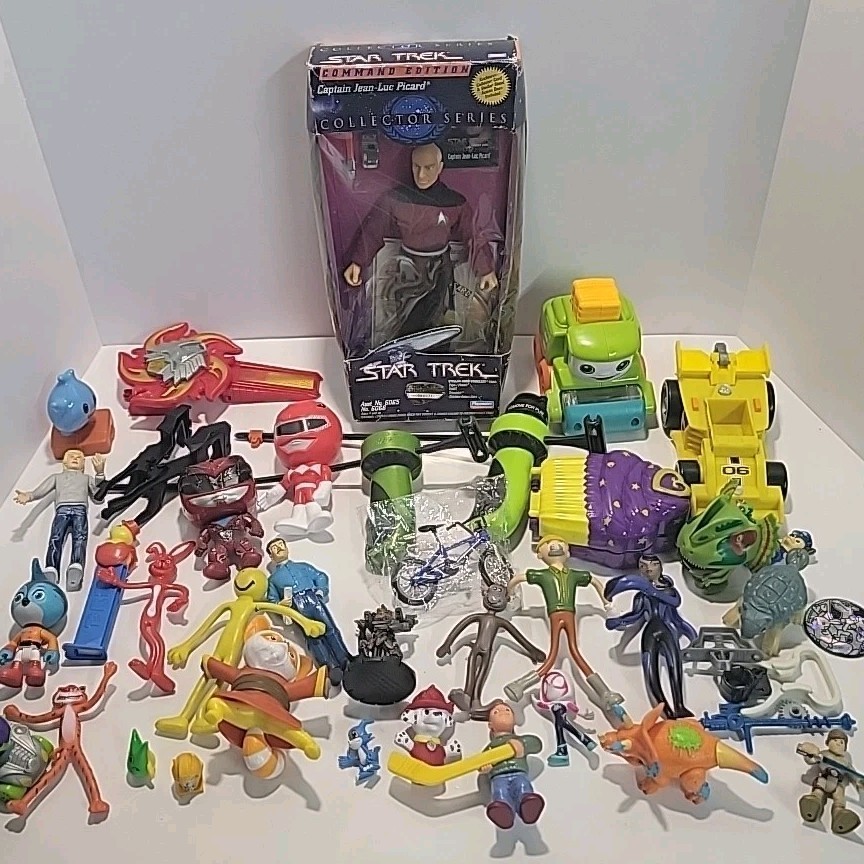


eBay links are affiliate links: JunkPal may earn a commission at no cost to you.
Resale values related to carded vintage
Shop carded vintage on eBay ↗![James Gunn [Fall Convention] #471 (Movies)](https://storage.googleapis.com/images.pricecharting.com/hbqsvbkidjp2kd2x/240.jpg)
![Scooby-Doo [Flocked Green] #149 (Animation)](https://storage.googleapis.com/images.pricecharting.com/hllmvizn6kfyezoa/240.jpg)
![Robin [Chase DC Universe] #2 (Heroes)](https://storage.googleapis.com/images.pricecharting.com/zd6gpyjk6iavpv6j/240.jpg)
![Eric Davis [Silver] #52 (Mlb)](https://storage.googleapis.com/images.pricecharting.com/2wbrdnfptbkestq7/240.jpg)
![Maka [Hot Topic Pre-Release] #80 (Animation)](https://storage.googleapis.com/images.pricecharting.com/7fzms53nrs6gtie5/240.jpg)

JunkPal may earn a commission when you buy through eBay links, at no extra cost to you.
What’s worth the most
Ranked on medians of real closed eBay sales, not asking prices.