What does “carded toy” mean?
What it means
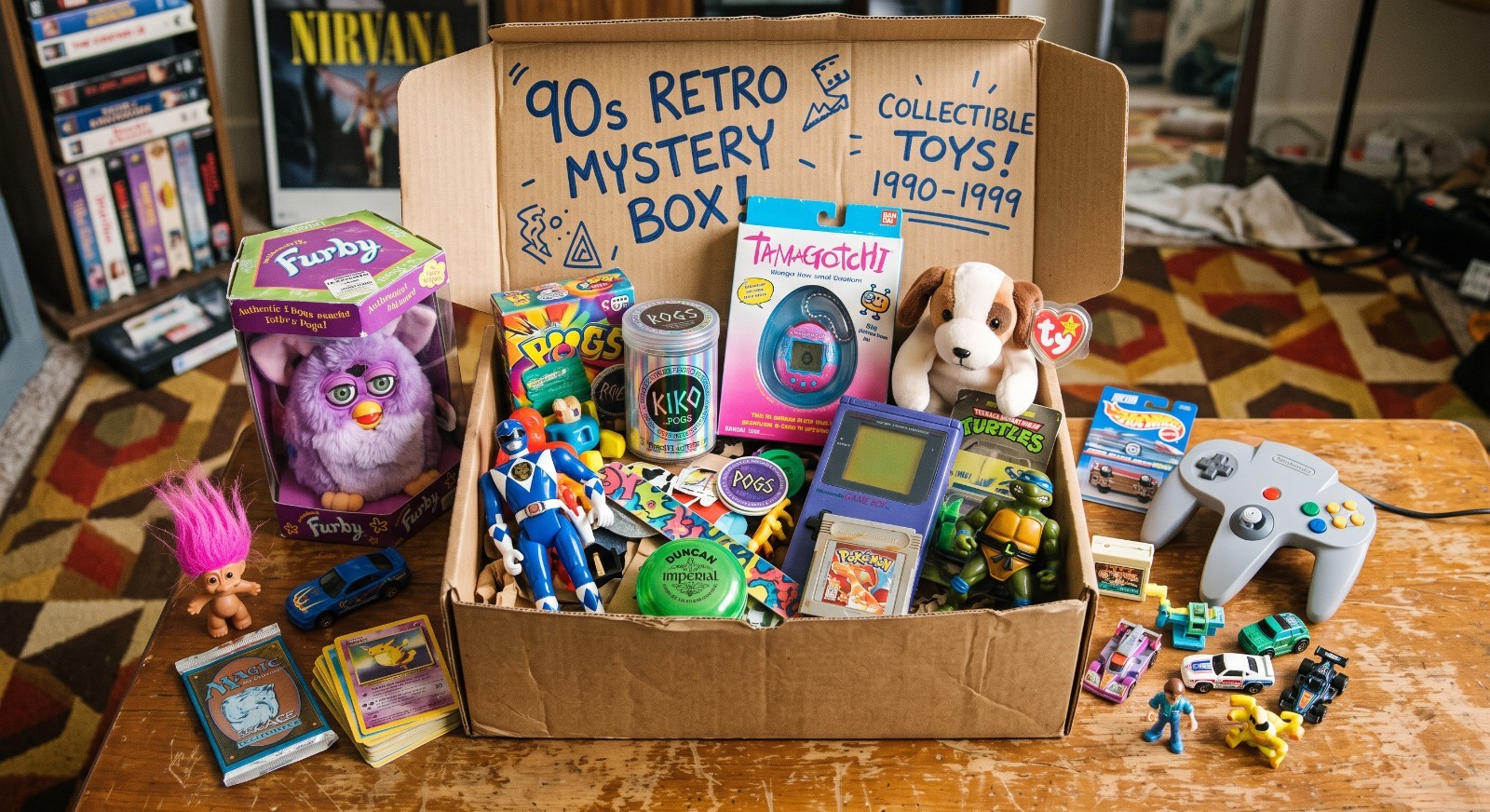
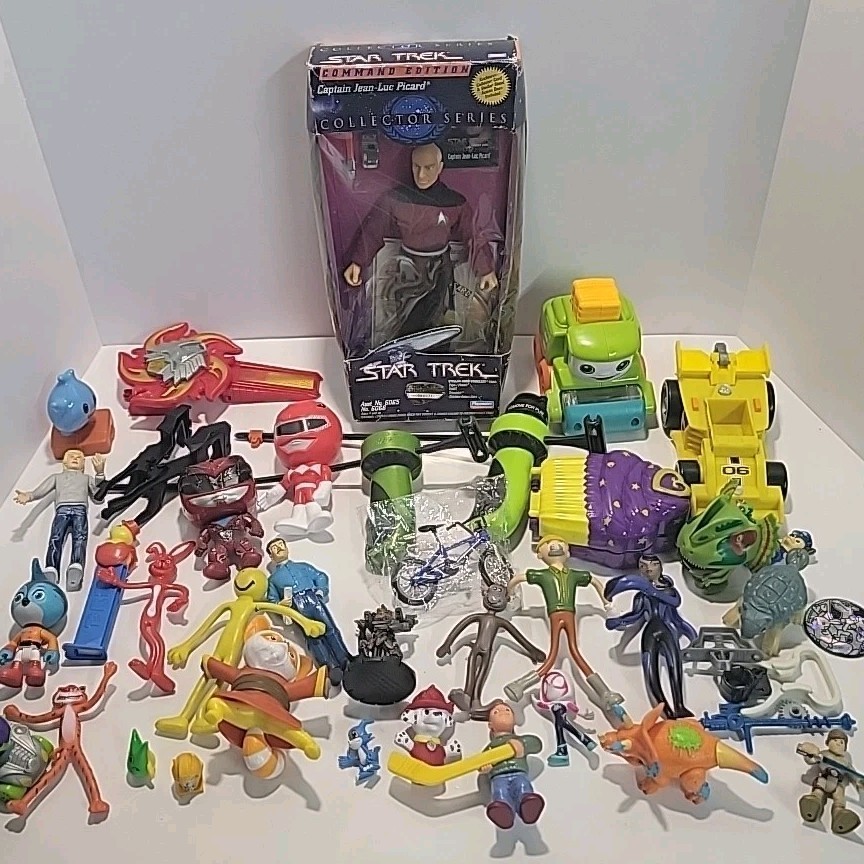
A carded toy is a collectible figure or item presented within its original factory packaging. This packaging typically consists of a cardboard backing (card) attached to the toy, often secured by a clear plastic bubble or blister pack. The "carded" state means the toy has never been removed from this sealed presentation. This is distinct from a "loose" item, which is the toy without its packaging. For collectors, the packaging acts as a primary component of the item's value, signifying untouched condition and completeness. The integrity of the card itself—its corners, surface, and backing—is as critical as the toy's condition.
What it does to price
The sealed, carded state applies a substantial premium over loose versions. A mint-condition, carded item typically fetches 1.5 to 4 times the price of the same item loose, depending on rarity. Factors that increase value include high-grade card condition (e.g., near-mint, perfect corners) and sealed-in-box status for larger sets. Factors that decrease value include creasing, yellowing, or visible shelf wear on the card. For example, a common action figure sold loose might fetch $10; the same figure in a pristine, sealed card might command $25 to $40.
How to spot it
The primary tell is the physical presence of the factory-applied packaging. Collectors must inspect the card for print quality and structural integrity. Look for evidence of "whitening" or "yellowing" on the cardboard, which indicates age or poor storage. A common mistake is confusing "Mint on Card" (MOC) with "Mint in Box" (MIB); MOC means the toy is on the card but the card itself might be damaged, while MIB implies the entire original shipping container is intact. Buyers should request high-resolution photos of the card edges and the blister seal area to verify authenticity and condition.
Buying smart
Paying a premium for a carded toy is justified when the item is highly sought after, rare, or part of a complete set where the packaging is integral to the collection narrative. If the item is common or low-value, the premium often outweighs the collectible benefit. A fair deal involves the asking price reflecting the documented condition grade of the card. If a seller claims "Near Mint," the price should align with established grading standards for that specific line. If the condition is questionable, the price should be discounted accordingly.
Selling smart
To maximize return, the listing must unequivocally prove the item's sealed, pristine state. The single most valuable element in a listing is a clear, high-resolution photograph showing the entire card face, the side edges, and the back of the packaging, ideally with a ruler or reference object for scale. Using the term "Sealed," "MOC," or "Mint in Card" (depending on the exact state) in the title and description, backed by photographic evidence, justifies the premium pricing structure. Vague descriptions lead to lowball offers.
On eBay right now
Current asking prices from live listings — not sold-comp medians.




eBay links are affiliate links: JunkPal may earn a commission at no cost to you.
Resale values related to carded toy
Shop carded toy on eBay ↗![Freddy Funko As Anakin Skywalker [GITD] #SE (Freddy Funko)](https://storage.googleapis.com/images.pricecharting.com/l2qlb5zupfv4gm36/240.jpg)
![Freddy Funko As Marvin The Martian [Blacklight] #SE (Freddy Funko)](https://storage.googleapis.com/images.pricecharting.com/yvjfxadlmudmk3bk/240.jpg)
![Freddy Funko As Shredder [100] #SE (Freddy Funko)](https://storage.googleapis.com/images.pricecharting.com/2qqvjw6sp7rvk6wo/240.jpg)

![Freddy Funko As Iron Man [Diamond] #SE (Freddy Funko)](https://storage.googleapis.com/images.pricecharting.com/ojgf7ljhcz7p2ro3/240.jpg)

JunkPal may earn a commission when you buy through eBay links, at no extra cost to you.
What’s worth the most
Ranked on medians of real closed eBay sales, not asking prices.