What does “carded figure” mean?
What it means
A carded figure is a collectible action figure or toy that remains sealed within its original retail packaging, specifically featuring a cardboard backing card. This is distinct from a loose figure, which is the figure only. The packaging itself is considered part of the collectible item. The primary condition metrics are the card's state and the integrity of the plastic blister holding the figure. The term Mint-on-Card (MOC) is the industry standard for describing a figure in near-perfect, sealed condition.
What it does to price
The presence of original, undamaged packaging creates a significant price premium. A comparable loose figure typically fetches 30% to 100% less than its MOC counterpart, depending on the item's rarity. Factors pushing the price up include perfect card corners, vibrant printing, and no visible plastic scratching. Damage, such as heavy creasing or a detached bubble, can cause a 40% to 75% devaluation from a pristine MOC price. For example, a rare vintage MOC figure might sell for $150; the same figure loose might sell for $75, while a carded figure with a significant corner ding might sell for $90.
How to spot it
Verification requires close inspection of the packaging itself. Look for security seals, UPC codes, and copyright dates printed on the card, which confirm the original retail run. Common issues include "shelf wear"—minor scuffs along the edges of the card caused by being stored upright. Fakes often feature slightly off-color printing or incorrect font usage on the card's text. Always request high-resolution photos showing the entire card surface, including the top and bottom edges, to check for subtle print degradation or glue residue.
Buying smart
Paying a premium for carded figures is justified when the figure is a highly sought-after, rare, or investment-grade piece. If the figure is common or recent, the premium may not justify the cost, as the packaging offers less unique value. A fair deal for a high-demand MOC item requires the asking price to be within 15-25% of established market averages for similar, graded examples. If the seller is asking for a price far exceeding established MOC benchmarks without providing evidence of exceptional condition (e.g., professional grading), the premium is likely inflated.
Selling smart
To maximize return, the listing must explicitly state the figure is MOC and detail the card's condition using industry terms (e.g., "Near Mint," "Light Wear"). The single most effective element in a listing is a clear, well-lit photograph of the entire card front and back, showing the seal intact. A simple descriptor like "Sealed MOC" in the title immediately signals the item's value tier to knowledgeable buyers, allowing them to factor in the packaging premium upfront.
On eBay right now
Current asking prices from live listings — not sold-comp medians.

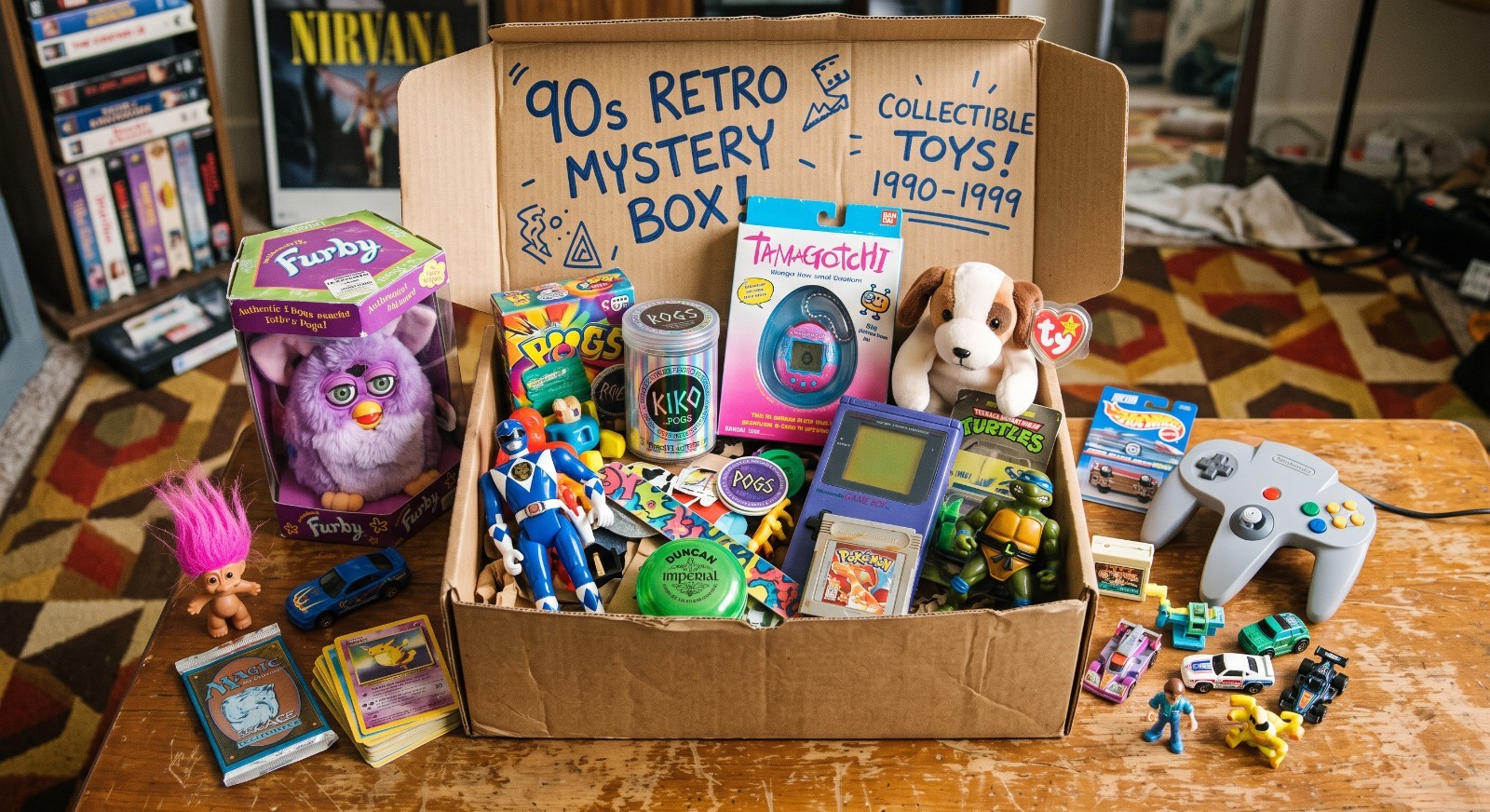

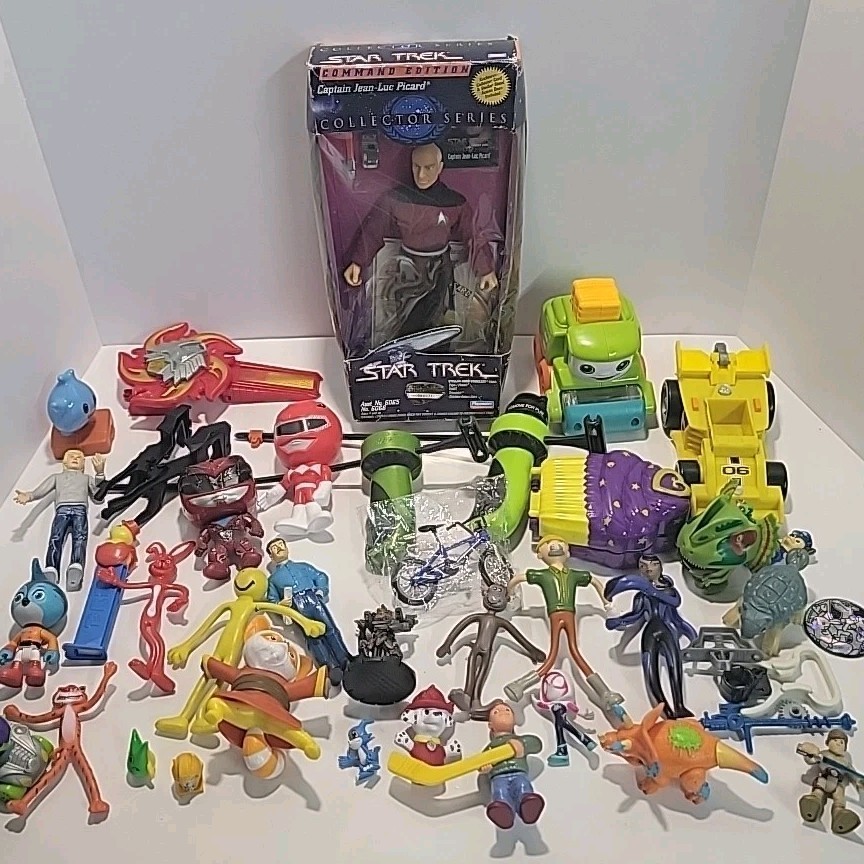


eBay links are affiliate links: JunkPal may earn a commission at no cost to you.
Resale values related to carded figure
Shop carded figure on eBay ↗
![Maka [Hot Topic Pre-Release] #80 (Animation)](https://storage.googleapis.com/images.pricecharting.com/7fzms53nrs6gtie5/240.jpg)

![The Fat Lady [Chase] #189 (Harry Potter)](https://storage.googleapis.com/images.pricecharting.com/sivo3zppcrdpyu66/240.jpg)
![Legolas Greenleaf [UOB] #46 (Movies)](https://storage.googleapis.com/images.pricecharting.com/siyng4p32az7ufmh/240.jpg)


JunkPal may earn a commission when you buy through eBay links, at no extra cost to you.
What’s worth the most
Ranked on medians of real closed eBay sales, not asking prices.