What does “carded” mean?
What it means
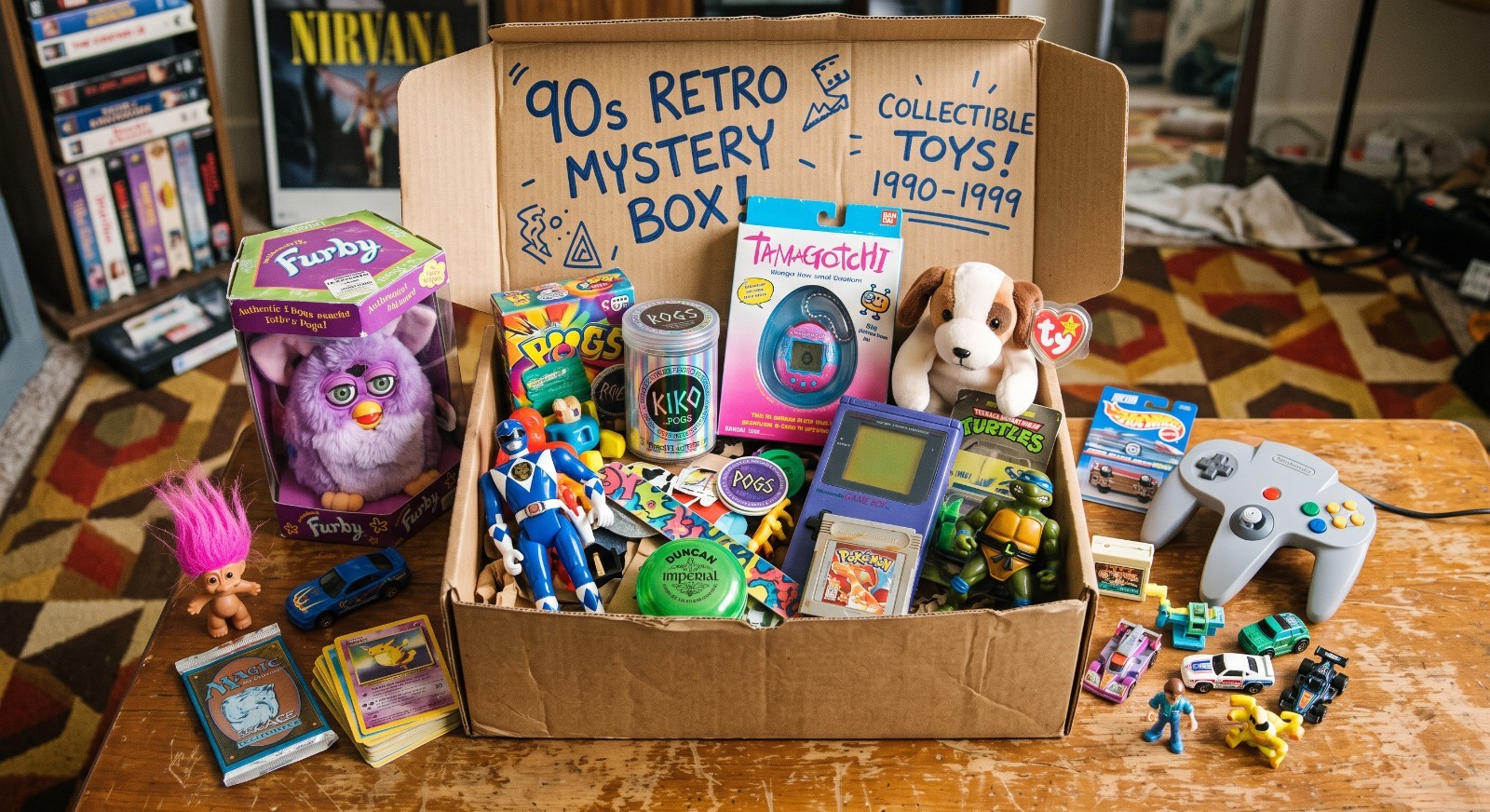
"Carded" means the toy remains sealed within its original retail packaging. This packaging typically consists of a backing card (the cardboard display piece) and a clear plastic blister or bubble holding the toy itself. In collecting terminology, this is often synonymous with "Mint on Card" (MOC) or "Complete in Box" (CIB), depending on the specific product line. The packaging is not merely protective; it is an integral part of the item's value. A toy that has been removed from its card is considered "loose."
What it does to price
The presence of intact, high-grade packaging acts as a significant value multiplier. Generally, a carded copy of a desirable item will fetch 1.5x to 4x the price of the exact same item sold loose, depending on rarity and demand. Factors that push value up include pristine corners, vibrant, unfaded card art, and no evidence of tampering or price stickers. Conversely, minor flaws—such as a small crease on the card backing or a dent in the blister plastic—can reduce the multiplier by 30% or more. For example, a rare vintage action figure might sell loose for \$50; the same figure in a Near Mint (NM) carded state could command \$125 or more.
How to spot it
The primary tell is the complete, unbroken seal of the plastic over the toy and the backing card. Sellers must provide high-resolution photos of all four corners of the card to verify structural integrity. Look for factory seals or any evidence of tape or glue residue on the card edges. Common issues include "shelf wear," where the card corners have been softened or slightly bent from being stored on a shelf, or "blistering," where the plastic has warped due to temperature changes. Fakes are rare for common items, but for high-end collectibles, check the print quality and color saturation against known reference photos.
Buying smart
Paying a premium for a carded item is justified when the item is highly sought after, scarce, or has high aftermarket growth potential. If the toy is common or has low collector interest, the premium for the packaging may not recoup the cost of the packaging itself. A fair deal requires the card to be graded or described accurately. If a seller claims "Mint," but the photos show significant corner dings, the price is inflated. A good purchase involves paying a premium only if the packaging condition is verifiable as near-perfect.
Selling smart
Listing a carded item requires specific terminology to attract premium buyers. The single most effective word is "Sealed" or "MOC" (Mint on Card), accompanied by detailed condition notes. Photos must clearly show the entire card surface, especially the corners and edges, under bright, even lighting. If the card has any imperfections, they must be listed (e.g., "light edge wear, otherwise NM"). Omitting a flaw to secure a higher price is dishonest and damages reputation; transparency allows the seller to command the highest *accurate* price.
On eBay right now
Current asking prices from live listings — not sold-comp medians.




eBay links are affiliate links: JunkPal may earn a commission at no cost to you.
Resale values related to carded
Shop carded on eBay ↗
![Marcus Fenix [SDCC Black Lancer With Head] #112 (Games)](https://storage.googleapis.com/images.pricecharting.com/wfrqtgqrmk4iw7ku/240.jpg)
![Boba Fett 18 [White Prototype] #537 (Star Wars)](https://storage.googleapis.com/images.pricecharting.com/i6mr2loooevy7oew/240.jpg)
![Sloth [Superman Shirt] #76 (Movies)](https://storage.googleapis.com/images.pricecharting.com/guxyemxeq4l5yqh5/240.jpg)
![Superman [NYCC] #7 (Heroes)](https://storage.googleapis.com/images.pricecharting.com/y6y54wdnsavjfaik/240.jpg)
![The Catman [GITD] #7 (Rocks)](https://storage.googleapis.com/images.pricecharting.com/4aez4z66v2lgfupn/240.jpg)
![Whitebeard [MEFCC Chase] #1270 (Animation)](https://storage.googleapis.com/images.pricecharting.com/vo2zwon6en5xmovo/240.jpg)
JunkPal may earn a commission when you buy through eBay links, at no extra cost to you.
What’s worth the most
Ranked on medians of real closed eBay sales, not asking prices.