What does “card variant” mean?
What it means
A card variant is a distinct, officially produced iteration of a base collectible trading card. It is not simply a typo or a minor surface flaw; it is an intentional production change. These changes manifest as variations in the card's substrate (e.g., foil finish, texture), color palette (e.g., "Gold Parallel," "Blue Wash"), or scarcity level (e.g., numbered parallels). In mainstream terms, this is analogous to a specific edition or limited run of a physical product. The variant designation is the key identifier; without it, the card is only its base version.
What it does to price
The impact on price is directly proportional to the variant's scarcity and demand. A standard, common variant (e.g., a standard color parallel) might command a 1.2x to 2x premium over the base card. Highly limited, chase variants (e.g., 1/1s or extremely low-numbered parallels) can see multipliers exceeding 10x or even 50x the base card value. A simple color shift, if widely available, may only add a 10-20% premium. Conversely, a variant that is widely overproduced or poorly received can trade at a discount, sometimes 15-25% below the base. For example, a common Gold Parallel might add $5 to a $20 base card, while a 1/1 variant could add $500+.
How to spot it
Identification relies on precise visual inspection and documentation. Look for specific text markers, such as "Parallel," "Prizm," or set-specific numbering on the card face or back. Color washes are subtle; compare the variant against known examples under consistent lighting. Holographic treatments differ in pattern density and color shift. Sellers must provide high-resolution photos showing the entire card surface, including the edges, to verify printing consistency. Common pitfalls include manufacturing errors (which are defects, not variants) and counterfeit cards designed to mimic rare parallels. Always cross-reference the visible markers with established collector databases.
Buying smart
Paying a premium for a variant is justified when the scarcity is verifiable and the variant is part of a highly desirable subset or chase sequence. If the variant is a low-numbered parallel from a sought-after set, the investment potential is higher. However, paying a massive premium for a variant that is known to be heavily overproduced or has low secondary market interest is poor value. A fair deal involves the premium matching the established scarcity tier; a 1/1 should not be priced as a 100/100. If the seller cannot provide verifiable proof of the variant designation, the price should be discounted to the base card value.
Selling smart
Proving the variant designation in the listing is non-negotiable for maximizing return. Listing a card as "Base" when it is a "Rainbow Rare" guarantees a significant price reduction because buyers will assume the lower tier. The single most effective element in a listing is a close-up, well-lit photograph specifically highlighting the unique visual element—the color shift, the specific foil pattern, or the unique set numbering. Using the precise, recognized jargon (e.g., "Gold Parallel," not just "Gold") in the title and description ensures the card reaches the correct, high-value buyer pool.
On eBay right now
Current asking prices from live listings — not sold-comp medians.

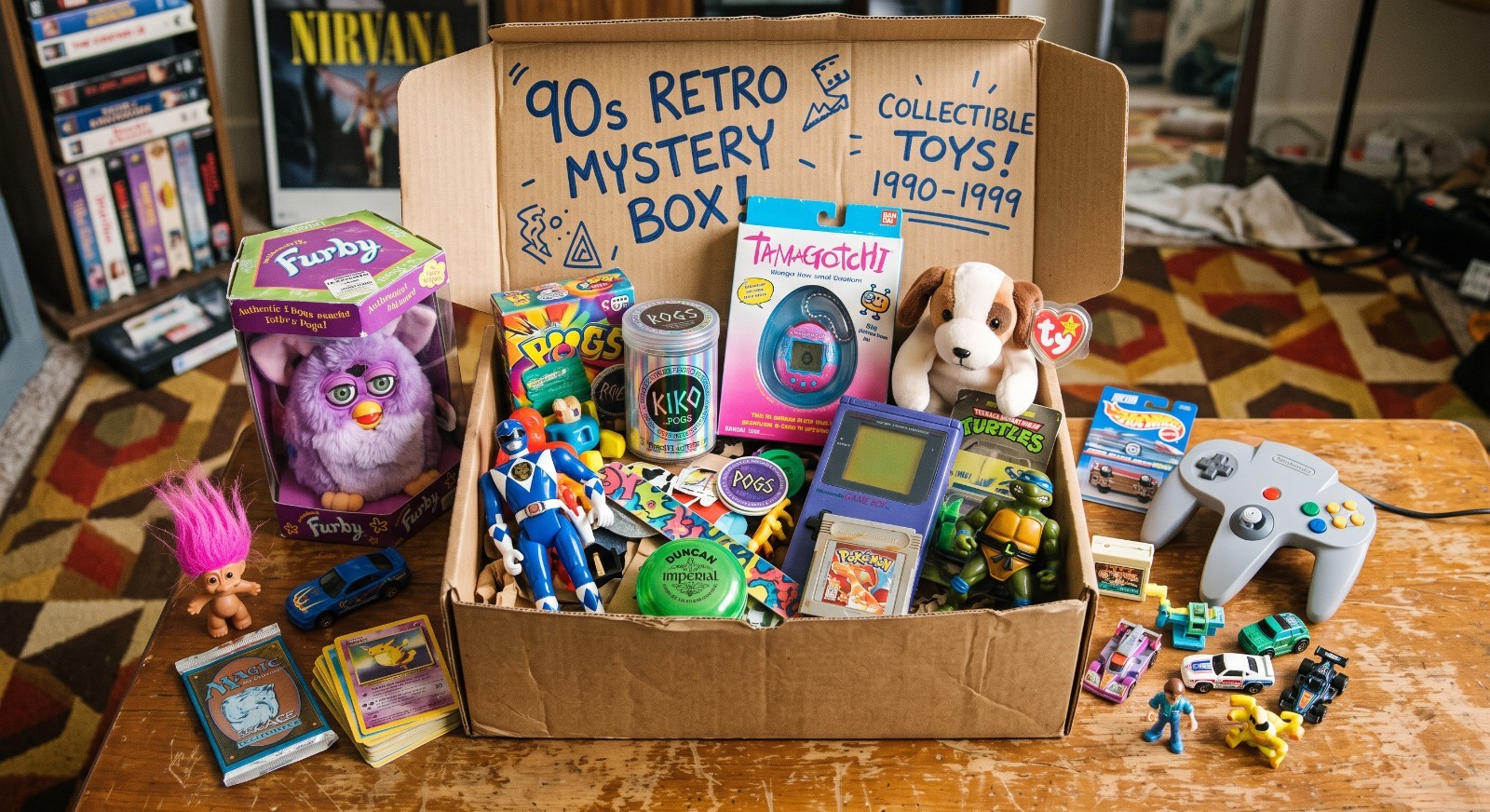

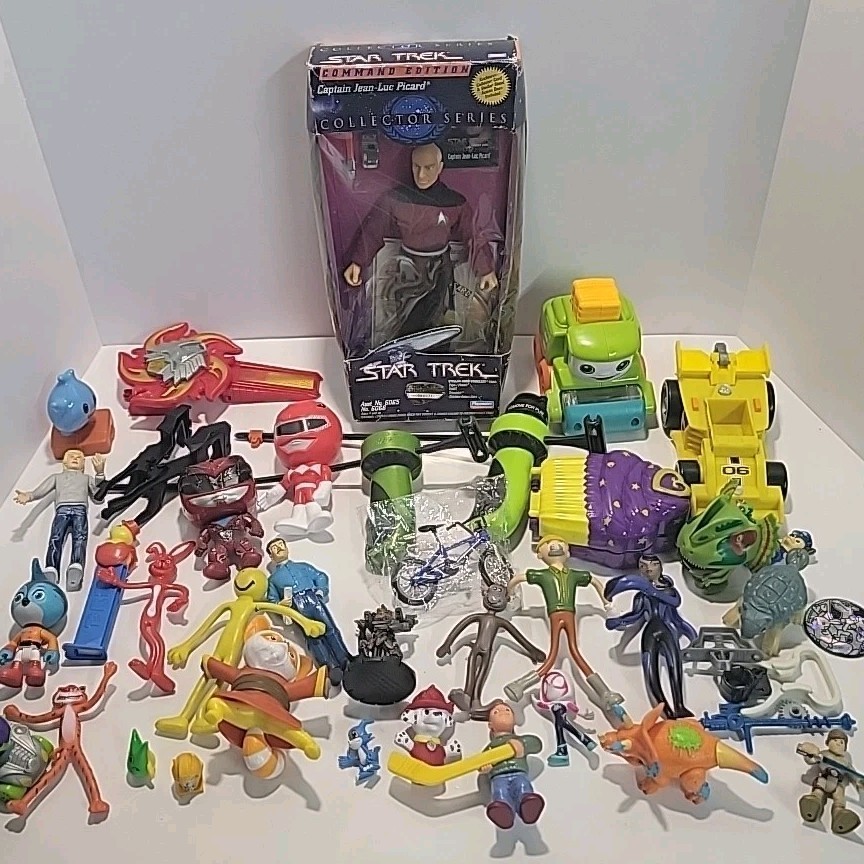


eBay links are affiliate links: JunkPal may earn a commission at no cost to you.
Resale values related to card variant
Shop card variant on eBay ↗![Nelson Cruz [Teal] #21 (Mlb)](https://storage.googleapis.com/images.pricecharting.com/rfjilida5vngctne/240.jpg)
![Fred & Barney [Blue Hair] [2-Pack] (Animation)](https://storage.googleapis.com/images.pricecharting.com/rygy6zomvchidare/240.jpg)
![Batman [Black And White] #621 (Heroes)](https://storage.googleapis.com/images.pricecharting.com/jnmlup4n7nvvycf4/240.jpg)

![Batman [Pink Chrome] #144 (Heroes)](https://storage.googleapis.com/images.pricecharting.com/rc4m7ipqj3ity5je/240.jpg)

![Freddy Funko As Frodo Baggins [Immortalized] #SE (Freddy Funko)](https://storage.googleapis.com/images.pricecharting.com/kjrzj73hqad4mfye/240.jpg)

JunkPal may earn a commission when you buy through eBay links, at no extra cost to you.
What’s worth the most
Ranked on medians of real closed eBay sales, not asking prices.