What does “card condition rating” mean?
What it means
Card condition rating is the standardized classification of a trading card’s physical integrity. It quantifies wear across several measurable attributes: corner sharpness (dings, rounding), edge integrity (whitening, fraying), surface quality (scratches, print lines, glossing), and centering. Common grades include Mint (M), Near Mint (NM), Lightly Played (LP), Moderately Played (MP), and Heavily Played (HP). These ratings translate subjective wear into an objective, quantifiable metric used universally in the hobby.
What it does to price
Condition is the primary driver of secondary market value. The difference between a Mint and a Lightly Played copy of a popular chase card can easily result in a 30% to 70% price difference. For high-demand cards, the premium for a graded, certified Mint copy can be several multiples of the ungraded equivalent. For example, a common rookie card might sell for \$10 loose (LP), but the same card graded PSA 10 (Mint) could command \$50 to \$100, depending on rarity. Minor imperfections, like a slight edge whitening on one side, can drop the grade from NM to LP, causing a noticeable, immediate price drop.
How to spot it
Assessment requires close inspection under strong, direct light. Look for print registration errors, ink bleed, or microscopic surface scratches that are invisible in casual photos. Edges should be crisp; any rounding or chipping indicates play. Corners must be sharp 90-degree angles. Sellers must provide high-resolution, unedited photos of all four corners and the entire surface. A common mistake is misrepresenting LP as NM. Fakes often exhibit poor centering or inconsistent print saturation.
Buying smart
Paying a premium for high-grade cards is justified when the card is a blue-chip investment—a highly sought-after, rare rookie or chase card where scarcity is the main driver of value. If the card is a mid-tier or common pull, the incremental cost for a higher grade rarely justifies the price jump. A fair deal involves the listed price aligning closely with established market averages for that specific grade. If a seller demands a 50% premium over the known market rate for the stated grade, the deal is likely inflated.
Selling smart
Proving the condition through documentation directly translates to buyer confidence and higher offers. A detailed description specifying the exact grade (e.g., "NM, minor corner wear on bottom left") manages expectations. The single most effective element is providing a macro photo of the most vulnerable area—usually the corners—showing the wear clearly. If the card is professionally graded (e.g., PSA, BGS), the slab itself serves as the ultimate proof, allowing the seller to command the highest possible premium.
On eBay right now
Current asking prices from live listings — not sold-comp medians.

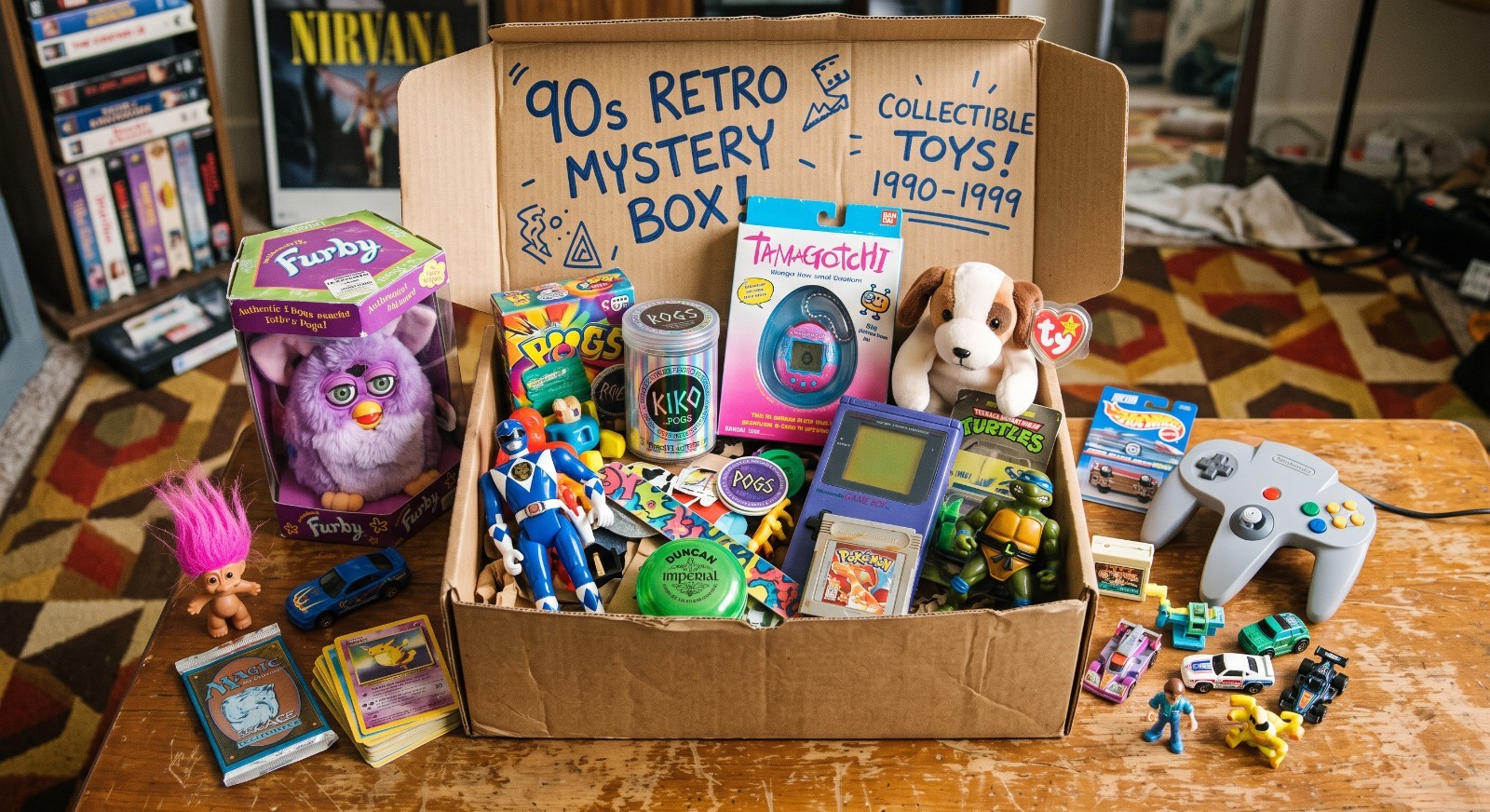

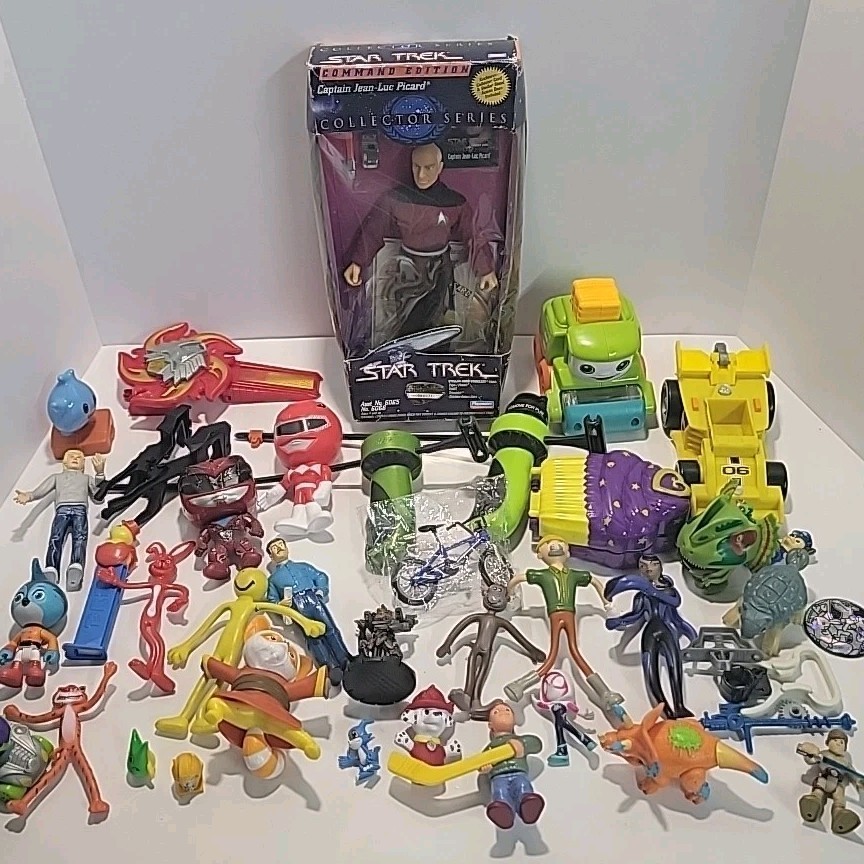


eBay links are affiliate links: JunkPal may earn a commission at no cost to you.
Resale values related to card condition rating
Shop card condition rating on eBay ↗
![Reverse Flash [GITD] #39 (Heroes)](https://storage.googleapis.com/images.pricecharting.com/ehednla3eklswjht/240.jpg)


![Marcus Fenix [SDCC Black Lancer With Head] #112 (Games)](https://storage.googleapis.com/images.pricecharting.com/wfrqtgqrmk4iw7ku/240.jpg)
![Boba Fett 18 [White Prototype] #537 (Star Wars)](https://storage.googleapis.com/images.pricecharting.com/i6mr2loooevy7oew/240.jpg)
JunkPal may earn a commission when you buy through eBay links, at no extra cost to you.
What’s worth the most
Ranked on medians of real closed eBay sales, not asking prices.