What does “card condition” mean?
What it means
Card condition is the objective assessment of a collectible card’s physical integrity. It measures the card against established industry standards, moving beyond simple "good" or "bad." The core metrics are Centering (how evenly the image is placed within the borders), Corners (sharpness and rounding), Edges (nicks, whitening, or chipping), and Surface (scratches, print lines, or print defects). While grading services assign numerical scores (e.g., PSA 9, BGS 9.5), the underlying concept is the card's preservation level. A card's condition is not subjective; it is a quantifiable measure of its survival from manufacturing to present day.
What it does to price
Condition is the single largest determinant of market value. The difference between a Near Mint (NM) and a Lightly Played (LP) copy of the same rare card can be 5x to 20x. A professionally graded, Gem Mint (e.g., PSA 10) copy of a desirable card can fetch 2x to 5x the price of an equivalent raw, high-grade NM copy. Conversely, a card with significant edge whitening or heavy surface scratching (LP/Poor) can drop the price by 60% or more. For instance, a sought-after chase card might sell for $500 raw NM, but if it has noticeable corner dings, the price can immediately drop to $250-$350.
How to spot it
Visual inspection requires magnification. Centering is judged by measuring the distance from the image to all four borders; perfect centering is near 50/50. Corners must be sharp; any rounding or "chipping" is a deduction. Surface flaws include print lines (ink bleeding or misalignment) and scratches (visible abrasions). Sellers must provide high-resolution, well-lit photos of all four corners and the front/back surfaces. Common issues include "shelf wear" (minor edge rubbing from storage) versus actual damage. Fakes are usually caught by print quality inconsistencies or incorrect card stock feel, but condition assessment focuses on physical wear.
Buying smart
Paying a significant premium for condition is warranted when the card is a high-tier chase item (e.g., a rookie autograph, a highly sought-after parallel) where the difference between a 9 and a 10 is substantial. If the card is common or mid-tier, the price premium for a perfect grade often outweighs the potential return. A fair deal for a raw card is one where the grade matches the visual evidence—if a seller claims NM, the card should show virtually no handling marks. If the price seems too good to be true for a high-grade card, the condition is likely misrepresented.
Selling smart
Listing a card with documented, high-quality photos of its condition maximizes buyer trust and justifies a higher asking price. If the card is graded, the slab number is the primary selling tool. If selling raw, include close-up photos specifically highlighting the corners and surface to preemptively answer buyer concerns. A single, clear photo showing the card under direct light, revealing the true state of the edges, prevents disputes and allows the seller to anchor the price at the correct value tier.
On eBay right now
Current asking prices from live listings — not sold-comp medians.




eBay links are affiliate links: JunkPal may earn a commission at no cost to you.
Resale values related to card condition
Shop card condition on eBay ↗
![Master Chief [Barnes Noble] #1 (Halo)](https://storage.googleapis.com/images.pricecharting.com/6sid5mdpwmyujbmb/240.jpg)

![Roronoa Zoro [COMFEST] #1496 (Animation)](https://storage.googleapis.com/images.pricecharting.com/ue7eoq3ofuhlrav2/240.jpg)
![Batmobile [Gold] #1 (Rides)](https://storage.googleapis.com/images.pricecharting.com/v5jaiukj7w4uwzip/240.jpg)
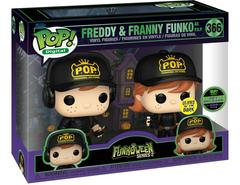
![Freddy Flux [Quantum] #SE (Freddy Funko)](https://storage.googleapis.com/images.pricecharting.com/3534kgu5f4wlntiw/240.jpg)
![Wonder Woman [Fall Convention] #8 (Heroes)](https://storage.googleapis.com/images.pricecharting.com/vkec245furt5qaji/240.jpg)
JunkPal may earn a commission when you buy through eBay links, at no extra cost to you.
What’s worth the most
Ranked on medians of real closed eBay sales, not asking prices.