What does “bootleg toy” mean?
What it means
A bootleg toy is an unauthorized counterfeit reproduction of a copyrighted or trademarked toy. Unlike simple knock-offs, bootlegs are direct infringements, manufactured without license from the original IP holder. In the collecting niche, this means the item lacks provenance—it has no verifiable chain of custody to the official manufacturer. Mainstream equivalent: Counterfeit merchandise. These items mimic official designs but utilize cheaper, inferior materials and often contain inaccuracies in sculpt, paint application, or accessory parts.
What it does to price
The presence of a bootleg drastically reduces market value compared to genuine items. A perfect, sealed, genuine example commands a baseline value; a bootleg version of the same item typically sells for 30% to 60% of that baseline, even if it appears visually similar. Factors pushing the price down include visible seam lines, mismatched paint batches, or generic, non-branded packaging. Conversely, if a bootleg is extremely high-quality and is being sold as a "variant" or "customized" piece, it might command a slight premium over a poorly made one, but this is rare. For example, a genuine vintage action figure might sell for $150; a convincing bootleg version might sell for $75-$90.
How to spot it
Inspection requires close examination of several key areas. Check the molding seams; official items have tight, professional seams, whereas bootlegs often show rough, visible injection points. Examine the paint application under magnification; genuine items use precise decals or factory-applied paint masks, while fakes often show bleed or inconsistent color saturation. Look for copyright markings or trademark logos on the packaging or the toy itself; these are often misspelled, poorly placed, or entirely absent on counterfeits. Always request high-resolution photos of the interior markings, especially the copyright date stamps on the base or packaging inserts.
Buying smart
Paying a premium for a bootleg is rarely justified unless the item is extremely rare, and the seller explicitly markets it as a "custom replica" or "art piece," rather than a direct imitation of a mass-market item. If the goal is collecting official IP, bootlegs are a financial risk. A fair deal for a bootleg is one that reflects its status as a non-authentic reproduction—if the price is within 75% of the genuine market rate, it is likely overpriced. Bootlegs are best acquired for props, display pieces where authenticity is irrelevant, or for parts sourcing, not for investment.
Selling smart
Listing a bootleg requires absolute transparency to avoid buyer disputes and reputation damage. Do not list it as "Vintage" or "Official." The listing title must clearly state "Bootleg," "Counterfeit," or "Unlicensed Reproduction." This disclosure manages buyer expectations and prevents returns based on authenticity claims. The one essential photo is a close-up, well-lit shot of the item's base or internal markings, clearly showing any non-official stamps or molding flaws. This proof of non-authenticity justifies the lower price point and attracts buyers specifically looking for replica items.
On eBay right now
Current asking prices from live listings — not sold-comp medians.


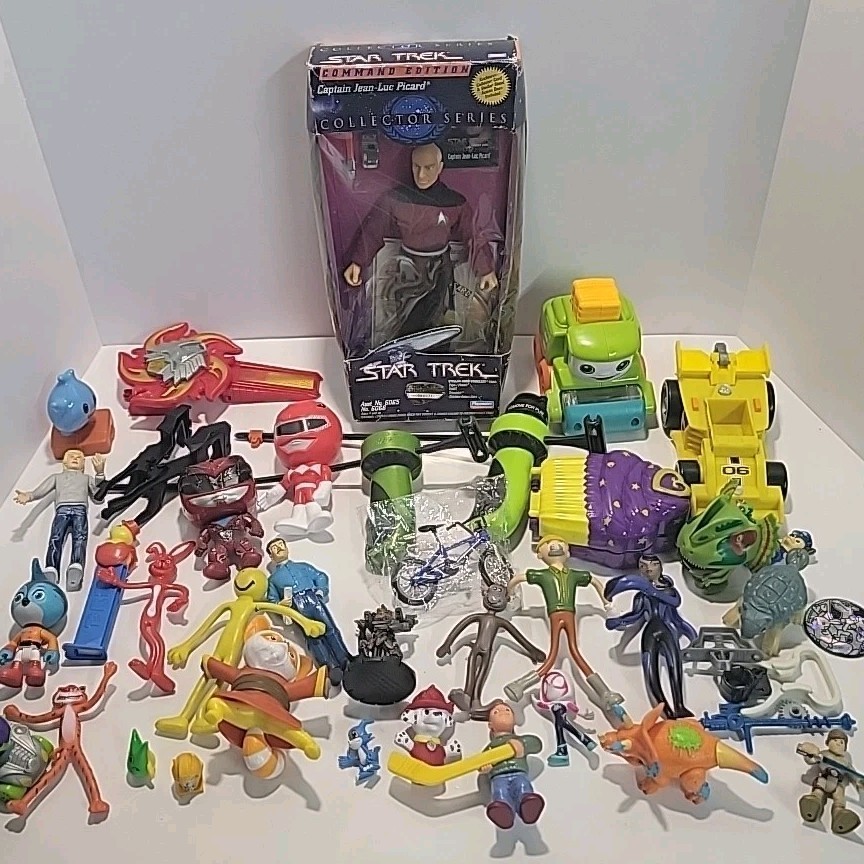


eBay links are affiliate links: JunkPal may earn a commission at no cost to you.
Resale values related to bootleg toy
Shop bootleg toy on eBay ↗
![Jollibee [Golden Jollibee] #30 (Ad Icons)](https://storage.googleapis.com/images.pricecharting.com/mvtqcy3kcauyxigf/240.jpg)

![Princess Leia Boushh Unmasked [Summer Convention] #54 (Star Wars)](https://storage.googleapis.com/images.pricecharting.com/tsjggiuoeth5bgb4/240.jpg)
![Obi-Wan Kenobi Padaawan [Retro] #699 (Star Wars)](https://storage.googleapis.com/images.pricecharting.com/l67i2f6rtvyvuyyn/240.jpg)
![Freddy Funko As Iron Man [Blacklight] #SE (Freddy Funko)](https://storage.googleapis.com/images.pricecharting.com/tzkga6tvdwbqd4nt/240.jpg)


JunkPal may earn a commission when you buy through eBay links, at no extra cost to you.
What’s worth the most
Ranked on medians of real closed eBay sales, not asking prices.