What does “yeezy” mean?
What it means
"Yeezy" refers to the athletic footwear line created by Kanye West and produced in partnership with Adidas. In the collecting niche, it denotes a specific category of highly desirable, limited-edition, and culturally significant sneakers. The style is defined by avant-garde, often muted, and minimalist design language. The term encompasses various models (e.g., Boost, Slide, 350) but the value is tied to the specific silhouette and colorway. Mainstream equivalent: High-end, hype-driven designer sneakers.
What it does to price
Price is driven almost entirely by scarcity and demand, not material cost. Deadstock (DS) condition commands the highest premium, often 2x to 5x the retail price (MSRP). Used, clean pairs typically sell at 50-70% of the retail price, depending on the model's rarity. Colorways that were heavily hyped upon release see the steepest appreciation. A common mistake is assuming condition parity; a pair with minor creasing (used) can drop value by 30-40% compared to a pristine, unworn pair.
How to spot it
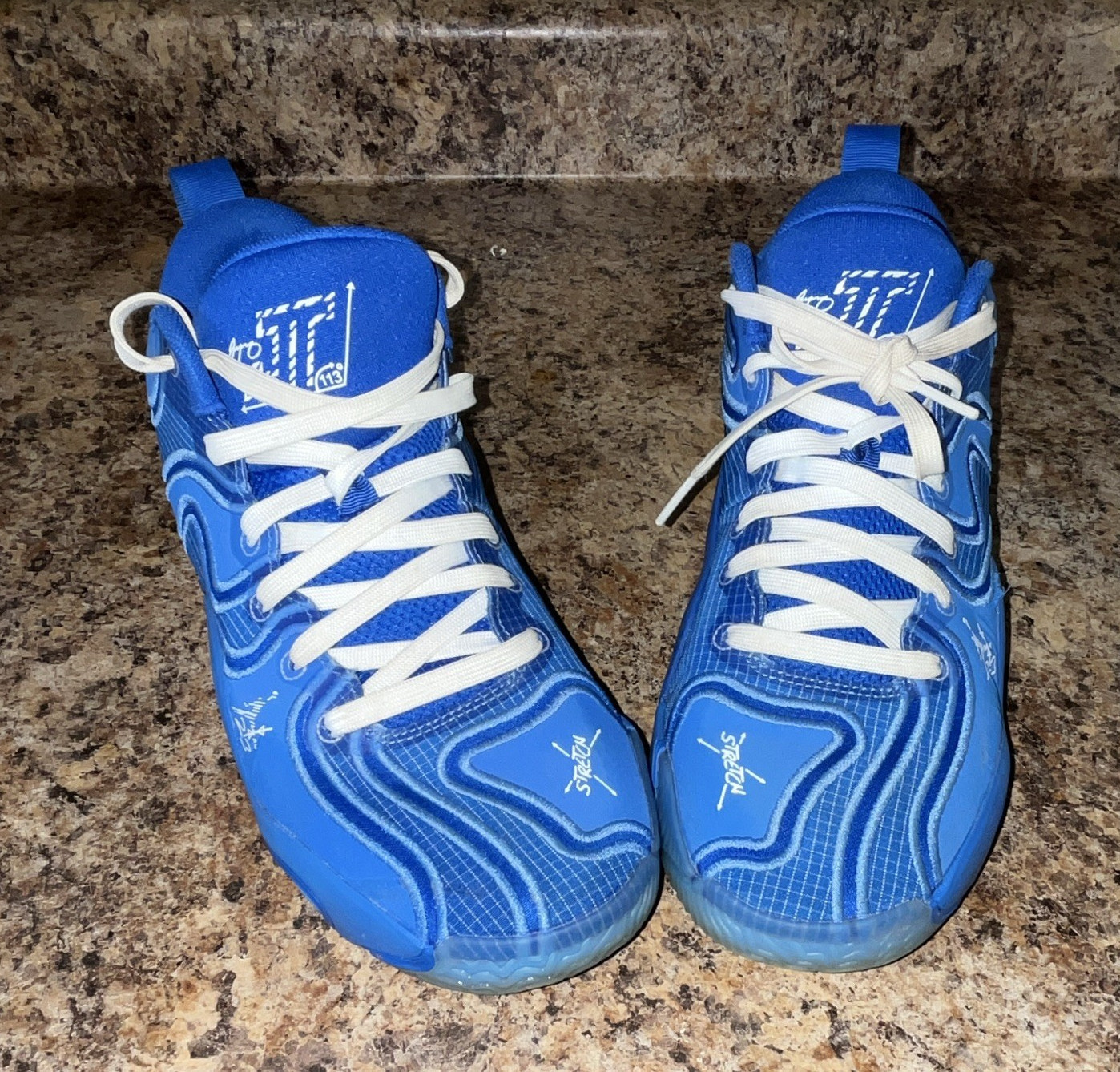
Authenticity verification is critical. Key tells involve stitching precision, material texture consistency (e.g., the specific knit pattern of the Boost midsole), and internal labeling. Sellers must provide high-resolution photos of the tongue tag, the outsole tread pattern, and the box/dust bag. Common fakes replicate the silhouette but fail on material density or logo placement. Honest mistakes include confusion between different model releases (e.g., mistaking a standard release for a highly limited drop) or failing to disclose minor scuffs.
Buying smart
Paying a premium is justifiable only for confirmed, highly sought-after colorways in deadstock condition. If the resale price is less than 1.5x MSRP for a relatively common model, it is likely a fair purchase. Avoid buying based on hype alone; research the specific model's scarcity tier. If the asking price is significantly above 3x MSRP without verified proof of provenance or extreme rarity, the risk of counterfeits or overvaluation is too high.
Selling smart
Listing must be meticulous. The primary value driver is verifiable condition. A clear photo showing the original box, tags, and confirming the item is "Deadstock" or "DS" immediately commands a higher tier of bids. Use the term "DS" prominently in the title. If the item has any signs of wear, photograph the wear clearly and state the condition honestly (e.g., "Light wear on sole"). Transparency on condition prevents disputes and maintains buyer trust, which supports premium pricing.
On eBay right now
Current asking prices from live listings — not sold-comp medians.




eBay links are affiliate links: JunkPal may earn a commission at no cost to you.