What does “authentic” mean?
What it means
Authentic means the sneaker is a genuine product manufactured by the brand listed on the shoe's tag. This is the baseline standard; the item must be the real thing, not a replica or a modified version. In the collecting niche, authenticity is not just about being "real"; it is the verifiable proof of provenance and manufacturing integrity. A fake, regardless of how well it mimics the original, is a counterfeit and carries zero collectible value as a genuine article.
What it does to price
Authenticity is the primary driver of market value. A genuine pair commands the full retail price or higher, depending on scarcity and condition. A high-quality counterfeit might fetch 10% to 30% of the genuine retail price, but this is a separate, low-tier market. Minor deviations from authenticity—such as an unverified resale or a questionable box—can cause a 15% to 25% discount on the final sale price. For example, a verified, deadstock pair of a popular release might sell for \$500; the same shoe with an unverified purchase history might drop to \$400.
How to spot it
Verification requires close inspection of manufacturing details. Key areas include stitching consistency, material grain matching, and internal construction elements (like tongue tags or insole printing). Specific edition markers, such as unique serial numbers or material codes, must match known databases for that release. Sellers must provide high-resolution photos of the outsole tread pattern and the box's UPC/labeling. Common pitfalls include misaligned logos or inconsistent dye lots, which are easy for experienced buyers to spot.
Buying smart
Paying a premium for authenticity is mandatory when the sneaker is a highly sought-after limited release or a foundational piece of a collection. If the item is a common, widely available release, the premium for "authenticity" is minimal unless the seller provides third-party verification (e.g., COAs). A fair deal involves a price that reflects the item's rarity *plus* a reasonable buffer for verification risk. If the price seems too good to be true, it likely is.
Selling smart
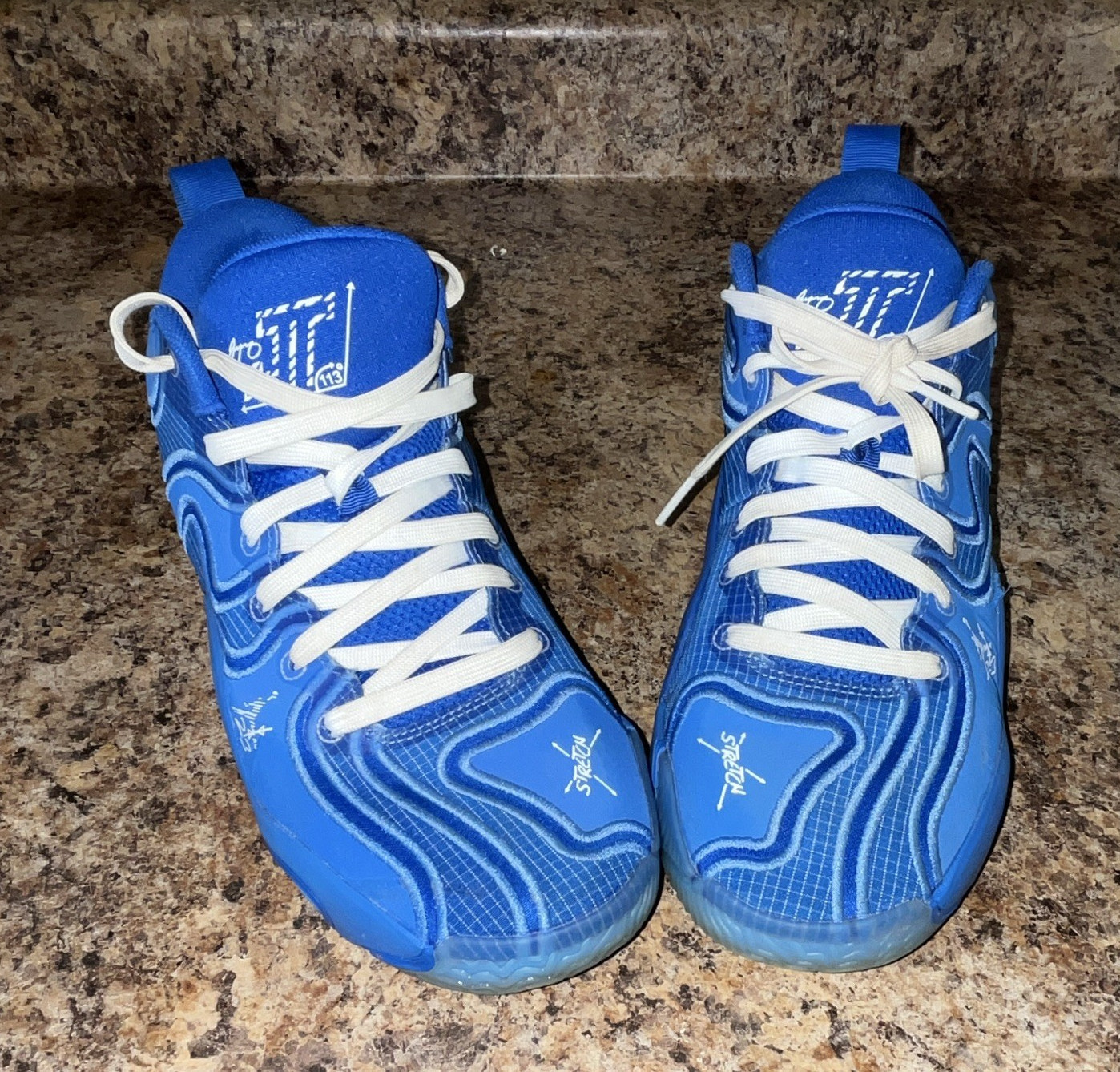
Proving authenticity directly translates to a higher sales floor. Listings must clearly state the item is genuine. The single most valuable element in a listing is a photograph showing a specific, hard-to-replicate detail—such as the unique print on the tongue or the specific wear pattern on the sole—alongside a clear photo of the original packaging seals. Providing documentation, such as a receipt or a third-party authentication certificate, immediately justifies a premium over unverified listings.
On eBay right now
Current asking prices from live listings — not sold-comp medians.




eBay links are affiliate links: JunkPal may earn a commission at no cost to you.