What does “adidas” mean?
What it means
"Adidas" in the sneaker collecting niche refers to the specific intellectual property and product line of the Adidas corporation. It is not merely a brand name but a category encompassing distinct product lines: Adidas Originals (lifestyle/retro), Adidas Performance (athletic/training), and specific collaborations. For collectors, the brand acts as a baseline qualifier. The value is derived not from the brand name alone, but from the specific SKU—the model, release year, and associated cultural significance. Jargon like "Originals" translates to the lifestyle/heritage division, while "Performance" relates to athletic function.
What it does to price
The brand name provides a baseline floor price, but the specific model dictates the multiplier. A common, recent retro model (e.g., an Adidas Superstar) might hold value around 1.2x its retail price if deadstock. Highly sought-after, limited-edition collaborations (e.g., Yeezy-adjacent or specific high-profile designer drops) can command 8x to 20x retail. Price depreciation is accelerated by wear or lack of original packaging. A pristine, authenticated pair of a mid-tier model might fetch $150–$250, whereas a rare, deadstock collaboration could easily exceed $1,500.
How to spot it
Authentication relies on inspecting factory details. Key tells include the stitching quality, material consistency across panels, and the placement/font of branding elements (e.g., the Trefoil logo). For high-end fakes, look closely at sole molding and upper panel seams; they often lack the precise uniformity of genuine production. Sellers must provide high-resolution photos of the tongue tag, the interior box stitching, and the outsole tread pattern. Common honest mistakes include minor scuffs on the midsole or slight discoloration on aged materials, which impact condition grading.
Buying smart
Paying a premium is justified when the shoe is a confirmed, highly limited release or possesses significant cultural relevance (e.g., a specific era collaboration). Paying a premium for a generic, widely available retro model is often poor investment unless it is in perfect Deadstock/Boxed (DS/B). A fair deal for a sought-after, authenticated pair should not exceed 2.5x the original retail price unless market scarcity is extreme. If the price is significantly higher than comparable authenticated listings, the risk of a counterfeit outweighs the potential gain.
Selling smart
Proving authenticity is the primary driver of premium pricing. A listing that includes clear, well-lit photos of the box, the original tags, and the shoe's specific identifying markings commands a higher price bracket than one relying solely on verbal assurance. The single most valuable element in a listing is the inclusion of a certificate of authenticity (COA) or verifiable documentation from a third-party authenticator. This documentation shifts the item from a speculative purchase to a confirmed asset, justifying the highest tier of collector pricing.
On eBay right now
Current asking prices from live listings — not sold-comp medians.


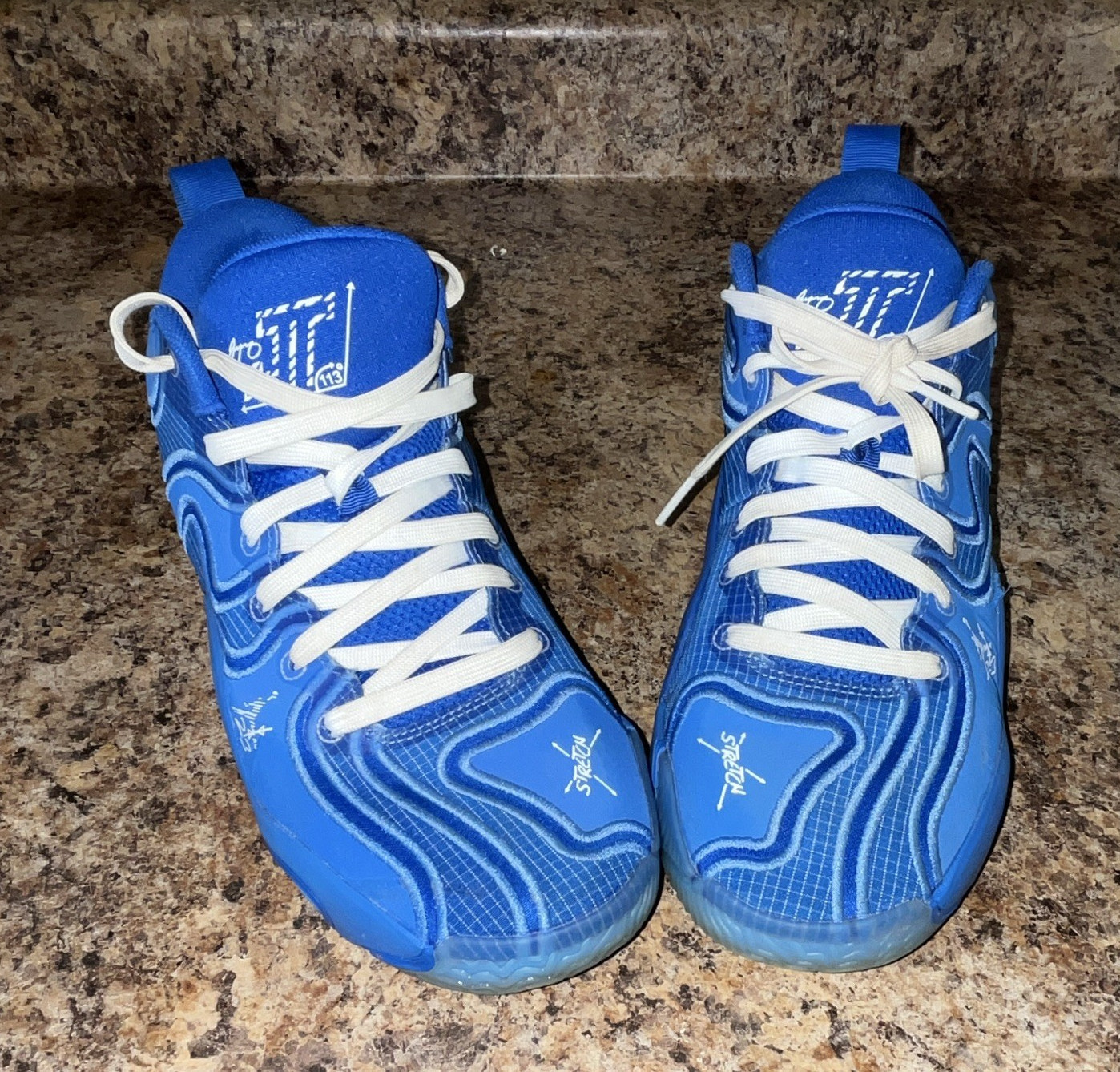


eBay links are affiliate links: JunkPal may earn a commission at no cost to you.