What does “basketball” mean?
What it means
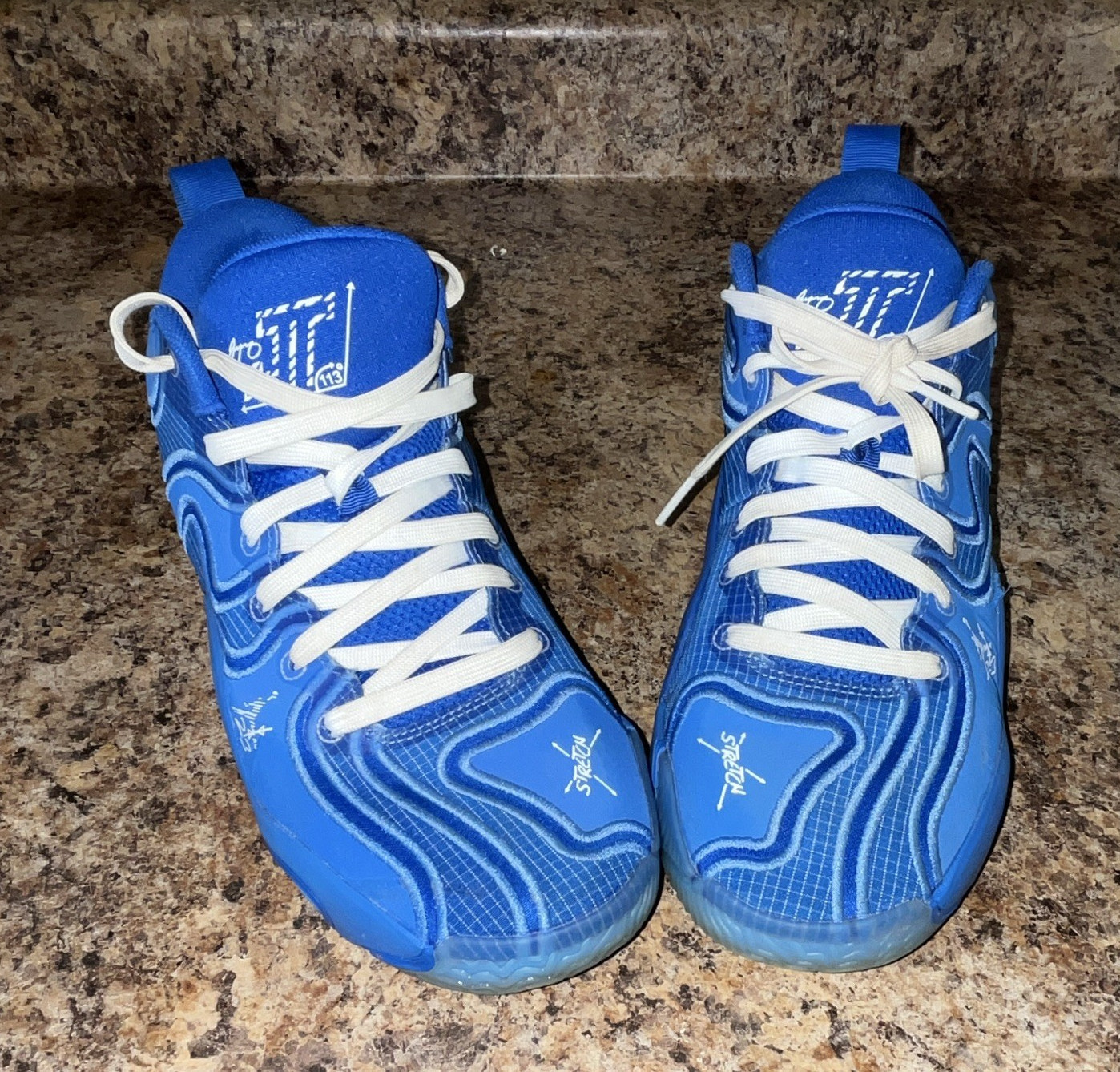
Basketball sneakers are athletic footwear engineered for the demands of basketball. This niche encompasses performance models built with specific features: high-cut ankle support, aggressive traction patterns for court grip, and advanced cushioning technology to manage high-impact landings. For the collector, the term covers a vast spectrum, ranging from modern performance gear to iconic retro silhouettes (e.g., Jordan, Kobe). The primary differentiator for value is not just the sport association, but the specific model, its release year, and its scarcity.
What it does to price
Rarity and cultural significance are the dominant price drivers. A highly coveted, limited-run colorway of a classic silhouette can see values multiply 5x to 15x compared to a standard retail release of the same model. Mid-tier, popular releases typically hold value well, often maintaining 1.2x to 2x retail over time. Conversely, generic or poorly received models depreciate quickly, often selling below retail price. A common mistake is assuming all basketball shoes are valuable; a basic, mass-produced training shoe might sell for $50-$80, whereas a sought-after retro release can easily exceed $1,500.
How to spot it
Authenticity checks must focus on construction integrity. Inspect the midsole foam density and the outsole tread pattern for consistency with known samples of the specific release. Check for manufacturing inconsistencies in stitching, material texture, and logo placement—fakes often fail at these micro-details. Sellers must provide high-resolution photos of the box, tags, and any unique edition markers (e.g., special hangtags). Be wary of shoes with overly uniform or "too perfect" wear patterns, which can indicate a reproduction.
Buying smart
Paying a premium is justified when the shoe possesses proven cultural significance or verifiable scarcity. Invest heavily in confirmed, limited-edition releases from seminal players or highly anticipated collaborations. Avoid overpaying for models that have been widely released in multiple colorways or those lacking a distinct historical narrative. A fair deal usually involves the asking price being within 15-30% of established market averages for that specific condition and release. If the price exceeds 40% above market average without exceptional provenance, caution is warranted.
Selling smart
Listing accuracy dictates buyer trust and final price. Clearly state the shoe's specific release year and edition number. Providing photos of the original box, hangtags, and any accompanying documentation proves authenticity and condition. The single most valuable addition to a listing is a clear, high-resolution photo of the size tag and any unique serial/edition marking on the tongue or insole. This documentation moves the item from "a pair of shoes" to a verifiable collectible, justifying the top-tier pricing bracket.
On eBay right now
Current asking prices from live listings — not sold-comp medians.




eBay links are affiliate links: JunkPal may earn a commission at no cost to you.