What does “b-grade” mean?
What it means
B-grade refers to sneakers that are not in deadstock condition but possess minor, non-structural cosmetic flaws. This is distinct from "used" or "worn." B-grade items have visible imperfections that do not compromise the shoe's integrity or function. Acceptable flaws include light creasing consistent with brief handling, minimal surface scuffs on the outsole, or small, superficial marks on the upper material. The mainstream equivalent is "near-mint" or "excellent used condition," but within the resale market, B-grade is a specific, quantifiable tier below A-grade (which implies near-perfect condition).
What it does to price
The price reduction for B-grade items is directly proportional to the severity and visibility of the flaw. Generally, a B-grade pair will sell for 20% to 40% less than a comparable A-grade or deadstock pair, depending on the model's scarcity. A minor scuff on an otherwise pristine pair might warrant a 15% discount. A noticeable crease across the side panel could justify a 35% reduction. For example, a highly sought-after, $500 retail sneaker might sell for $350 to $400 in B-grade condition, whereas deadstock commands $500+.
How to spot it
Flaws are usually visible under direct light. Inspect the sole edges for small chips or abrasions. Check the upper material for pinpricks, minor discoloration, or slight creasing near the toe box or ankle collar. Sellers must provide high-resolution, well-lit photos of the specific areas noted as imperfect. Common honest mistakes include minor dust accumulation that was not fully removed. Be wary of sellers who list an item as B-grade but refuse to provide close-ups of the alleged flaw; this may indicate misrepresentation.
Buying smart
Paying a premium for a B-grade item is justifiable only when the model is extremely rare, highly desirable, or when the cosmetic flaw is extremely minor (e.g., a single, almost invisible toe scuff). If the flaw is significant (e.g., heavy creasing or paint rub), the discount must be substantial. A fair deal involves the asking price reflecting the visible damage; if the price is within 10% of deadstock pricing, the flaw is likely being overstated.
Selling smart
Listing a B-grade item requires absolute transparency. The description must explicitly detail the flaw (e.g., "Minor scuff on left outsole heel"). Providing a dedicated, high-resolution photo focusing solely on that imperfection is non-negotiable. This proactive disclosure manages buyer expectations, preventing returns and justifying the lower price point. Listing it as "Deadstock" while knowing it is B-grade results in immediate loss of credibility and sales.
On eBay right now
Current asking prices from live listings — not sold-comp medians.


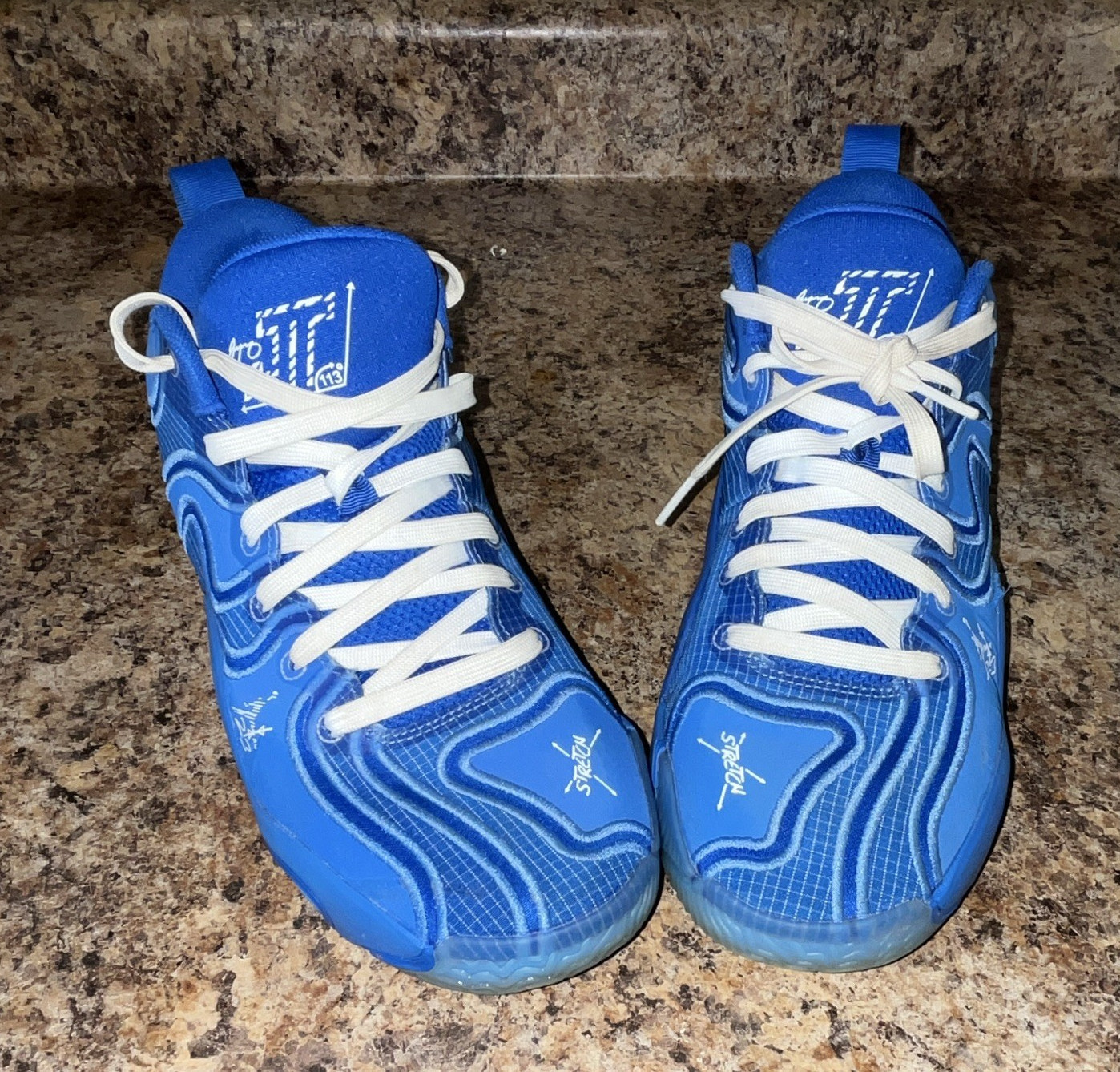


eBay links are affiliate links: JunkPal may earn a commission at no cost to you.