What does “authenticated” mean?
What it means
"Authenticated" means a recognized, independent third-party service has confirmed the sneaker is genuine, manufactured by the original brand, and not a replica or counterfeit. This is not merely a seller's claim of authenticity; it is a documented verification process. In the sneaker market, this functions as a guarantee of provenance. The mainstream equivalent is a Certificate of Authenticity (COA) backed by a reputable grading service. It confirms the item passed rigorous inspection against factory standards.
What it does to price
Authentication provides a direct, measurable uplift in market value. A verified, authenticated pair typically commands a premium ranging from 15% to 40% over an identical, unverified pair in the same condition. For high-demand, low-supply releases, this premium can exceed 50%. Conversely, an item presented as authentic but lacking third-party verification is priced at a discount to account for the buyer's risk assessment. For example, a sought-after retro release might sell for $800 unverified, but $1,050–$1,120 once authenticated by a major service.
How to spot it
Spotting fakes requires detailed knowledge of production variances. Common tells include stitching inconsistencies, incorrect material texture (e.g., rubber density, leather grain), misaligned logos, and inaccurate outsole tread patterns. Specific edition markers, such as unique heat stamps or internal serial codes, must match known factory specs for that release. When evaluating a listing, request high-resolution, close-up photos of the tongue tag, the insole print, and the sole construction where counterfeits often fail to replicate factory precision. Be wary of sellers who only provide vague photos.
Buying smart
Paying a premium for authentication is justifiable when the item is high-value, highly sought after, or carries significant resale potential. If a pair is rare or expected to appreciate, the authentication fee is an investment protection measure. It is not worth paying the premium for common, low-value releases where the potential profit margin is negligible. A fair deal involves the authentication cost being a small percentage of the item's final market value, not a large percentage of the asking price.
Selling smart
Proving authenticity shifts the item from a speculative risk to a verified asset. Listings that explicitly state "Authenticated by [Service Name]" attract serious, high-intent buyers who require risk mitigation. This documentation allows the seller to bypass the need to prove legitimacy in the listing description itself. The single most effective element in a listing is the inclusion of the authentication certificate or a clear, dated photo of the item *with* the authentication tag visible. This documentation justifies the top-tier pricing tier.
On eBay right now
Current asking prices from live listings — not sold-comp medians.

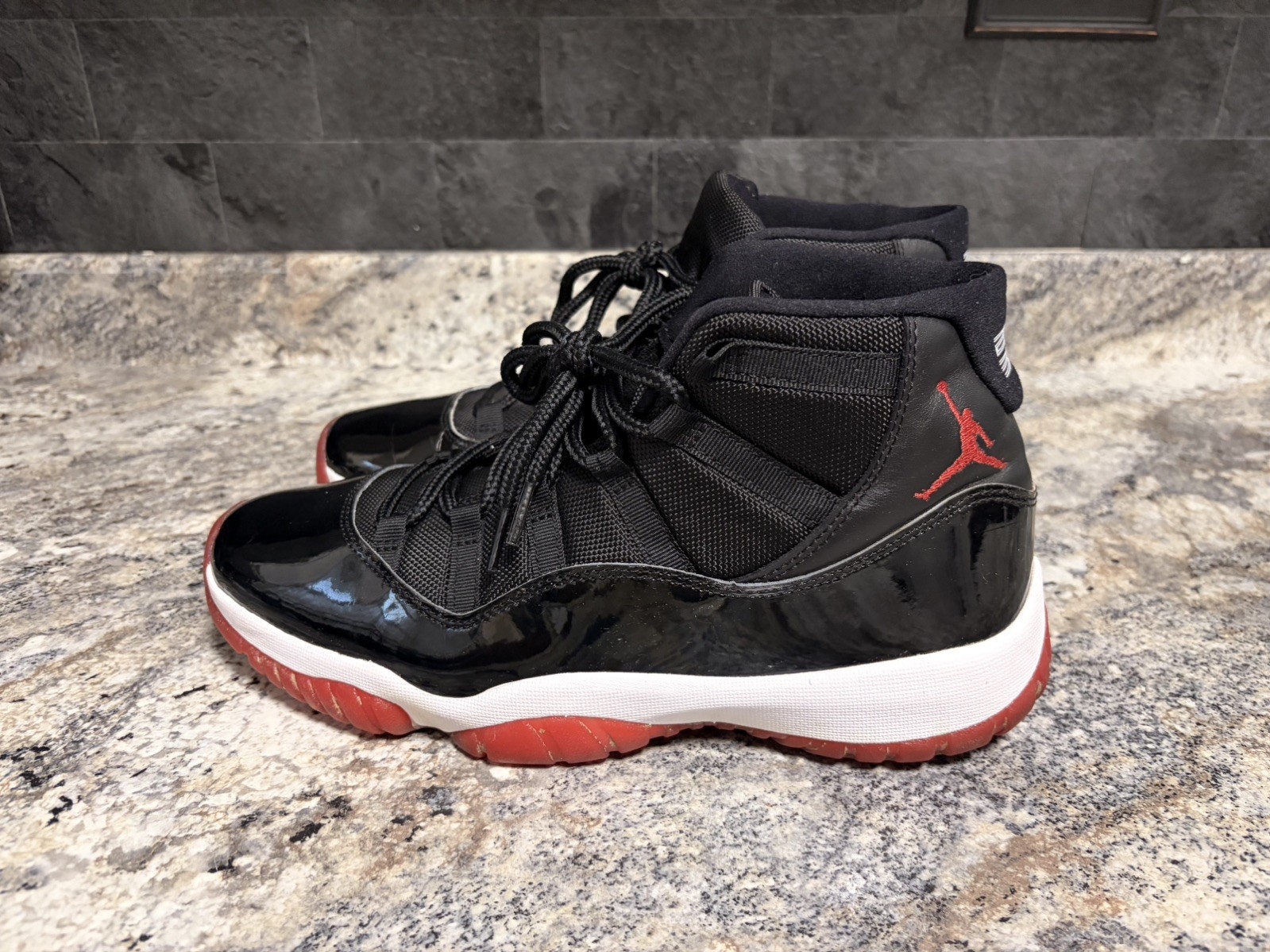

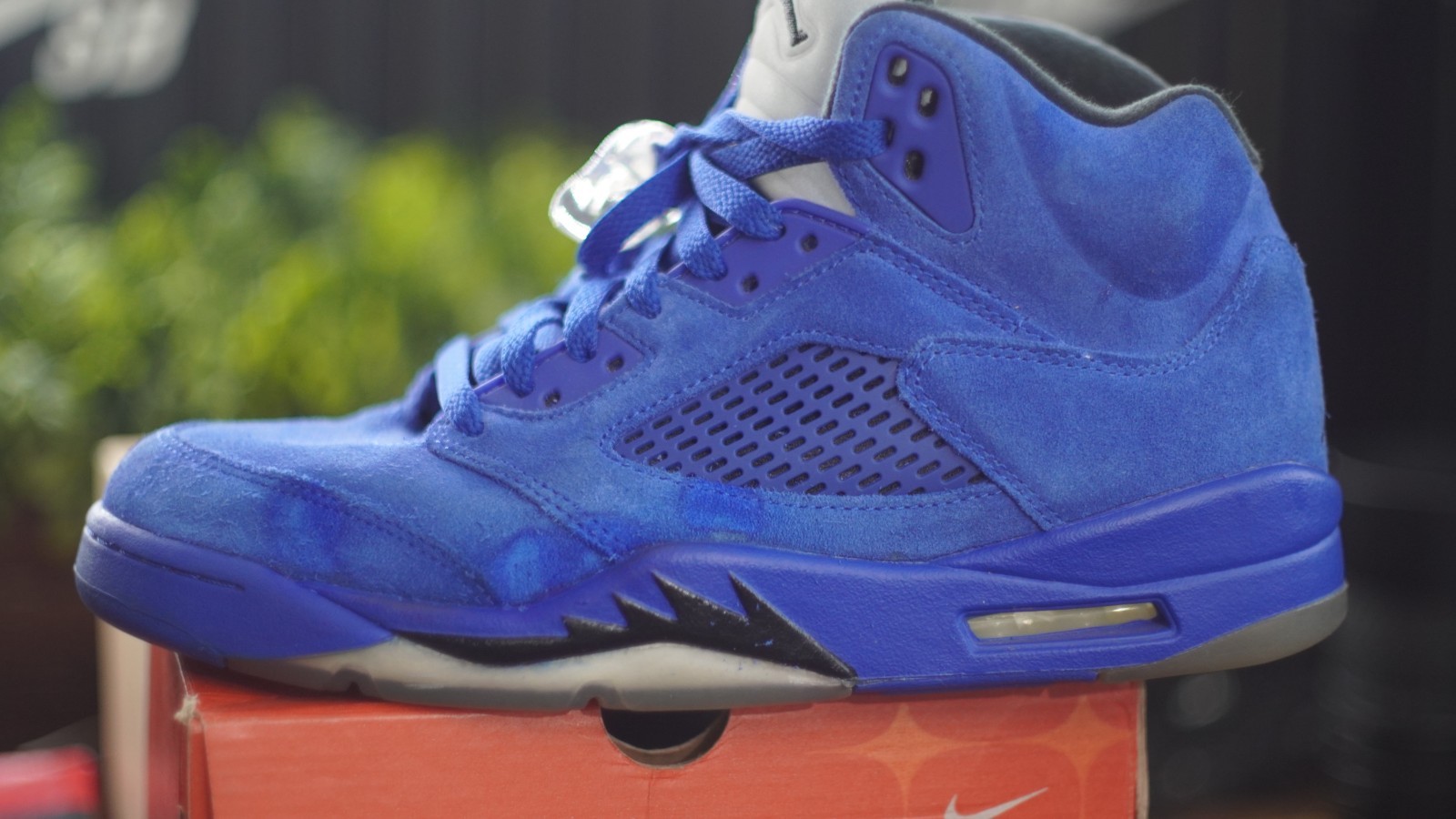


eBay links are affiliate links: JunkPal may earn a commission at no cost to you.