What does “worn in look” mean?
What it means
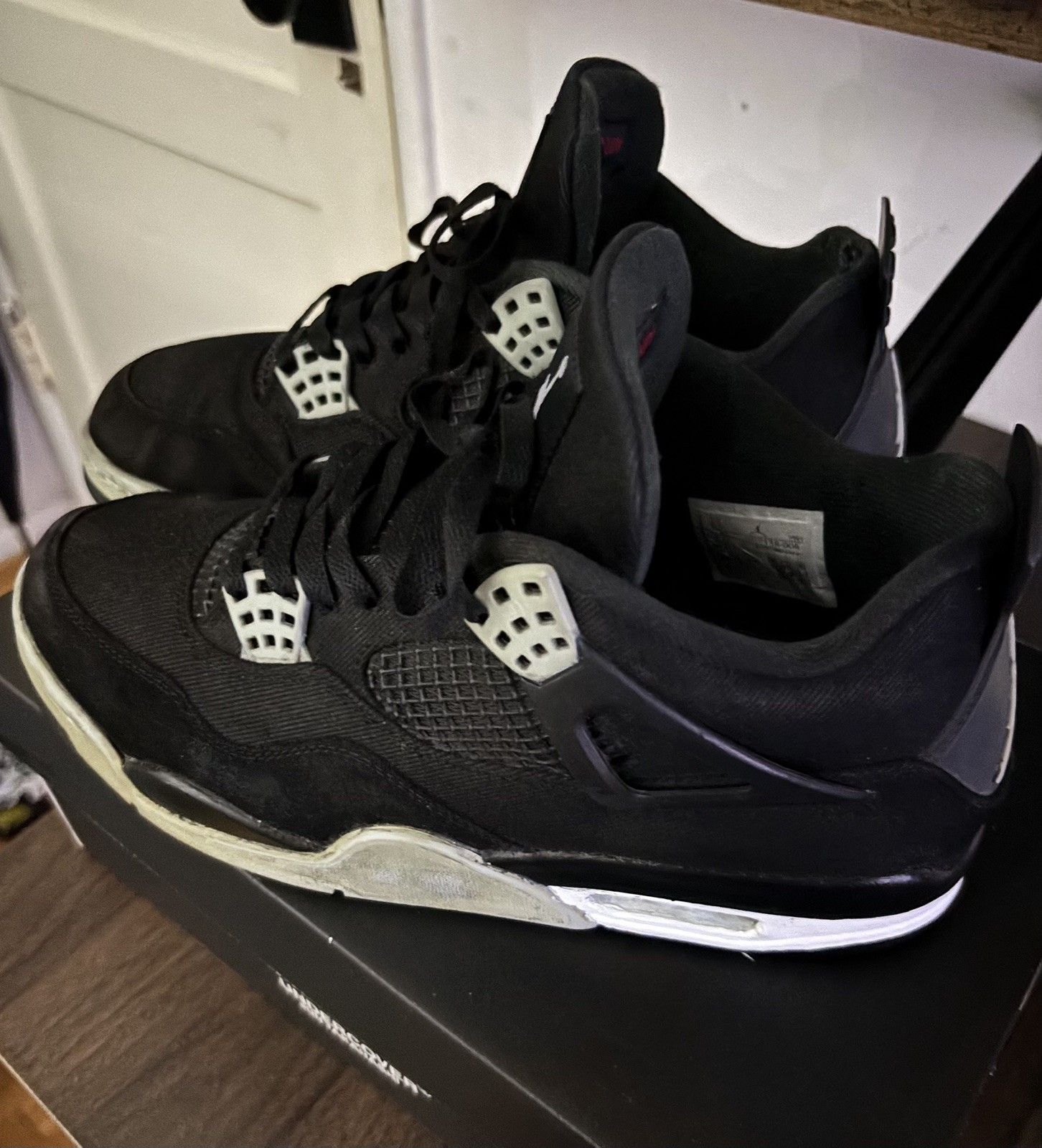
"Worn in look" refers to the intentional application of aging, distressing, or patina to a sneaker to simulate extensive, natural wear. This is distinct from actual pre-owned condition. The goal is to achieve a "broken-in" aesthetic—a lived-in appearance—rather than just showing dirt or damage. Mainstream equivalent: Distressed or aged. The key distinction for collectors is the *intent*: is the wear part of the design (intentional distressing) or is it accidental damage (poor condition)?
What it does to price
The impact on price is highly variable, ranging from a minor aesthetic premium to a significant devaluation. If the distressing is executed skillfully, it can command a 1.2x to 2x premium over a deadstock version, appealing to specific style preferences. Conversely, if the distressing appears cheap, uneven, or mimics damage poorly, it can drop the value by 30% or more. For example, a high-end silhouette with excellent, subtle distressing might fetch an extra $50-$150 compared to a pristine pair, whereas poorly applied distressing could result in a $100 markdown.
How to spot it
Authentic, high-quality distressing is integrated into the design language. Look for subtle creasing patterns on the toe box and midsole that mimic natural flexing, rather than harsh, painted-on scuffs. Examine the material integrity; the distressing should look like it happened *to* the material, not *on* it. Ask sellers for high-resolution close-ups of the sole edges and material seams. Common red flags include overly uniform scuffing across large panels or paint that flakes off unnaturally.
Buying smart
Paying a premium for a "worn in look" is only justified when the distressing is high-quality and matches the intended aesthetic of the shoe's design or release theme. If the shoe is meant to look brand new (e.g., a pristine collaboration release), paying extra for artificial wear is a bad investment. A fair deal involves the premium being clearly justified by the quality of the distressing; if the wear looks like a cheap costume effect, the price should remain near deadstock pricing.
Selling smart
Documentation is the primary driver of value here. Listing photos must clearly isolate the distressing. Do not just show the whole shoe; include macro shots focusing on the areas of intentional wear (e.g., heel drag, sole discoloration). Use descriptive language that frames the wear as a feature, not a flaw. The single most effective element is a photo showing the wear pattern in context—a clear, well-lit shot demonstrating the *quality* of the patina—which justifies the price point above standard deadstock listings.
On eBay right now
Current asking prices from live listings — not sold-comp medians.




eBay links are affiliate links: JunkPal may earn a commission at no cost to you.