What does “worn in” mean?
What it means
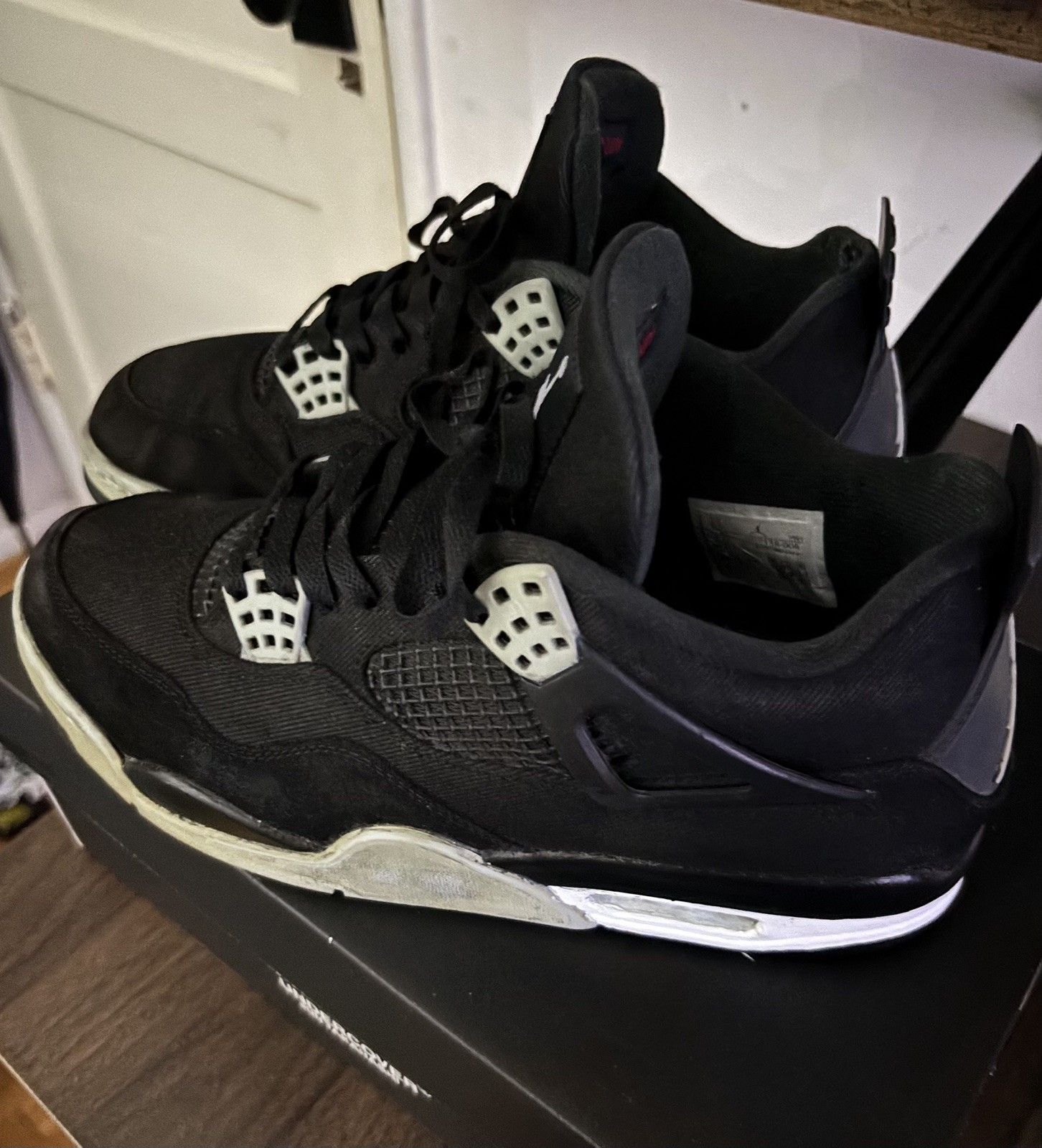
"Worn in" in sneaker collecting refers to footwear that has been worn and is no longer Deadstock (DS). This is not a single state but a continuum of usage. It ranges from Lightly Used (LU) to Heavily Used (HU). LU items show minor creasing, slight sole discoloration, or negligible scuffing, suggesting minimal wear. HU items exhibit significant sole wear, deep creases across the toe box, and noticeable material degradation. The key distinction for valuation is the *level* of wear relative to the shoe's original condition.
What it does to price
Wear directly reduces value from a pristine, Deadstock state. A pair of sneakers in LU condition might retain 60-80% of their retail/resale value, depending on rarity. HU items can drop to 20-40% of the original value, often only appealing to specific niche markets or as projects. For example, a pair of highly sought-after limited edition runners might sell for $1,200 DS; the same pair, heavily worn with visible sole separation, might trade for $300 or less. Factors pushing value up include consistent wear patterns that don't compromise structure, and down factors include stains, yellowing of midsoles, or structural failure.
How to spot it
Visual inspection requires close examination of high-contact areas. Check the outsole tread for wear patterns—even light wear indicates use. Inspect the midsole for yellowing (oxidation) or dirt ingress. Look for creasing patterns on the upper; deep, sharp creases indicate significant flexing. Sellers must provide clear photos of the soles and insoles. Be wary of sellers claiming "lightly used" when the soles show significant abrasion, which is a common misrepresentation. Fakes are less likely to be "worn in" authentically; genuine wear patterns are subtle and consistent with the shoe's design.
Buying smart
Paying a premium for a "worn in" pair is justifiable only when the shoe is highly desirable, has a strong secondary market demand, and the wear is minimal (LU). If the shoe is a common release, the discount for wear is usually too large to justify the purchase unless the price is extremely low. A fair deal for LU condition is typically 30-50% below the current DS market rate. If the wear is substantial (HU), the purchase should be treated as a low-cost entry into the brand, not an investment.
Selling smart
Listing must accurately categorize the wear. Using terms like "Lightly Used" or "Excellent Used Condition" is better than vague "worn in." High-quality, detailed photos of the soles, heels, and toe box are non-negotiable. These photos serve as proof of condition, preventing disputes. A single, high-resolution photo showing the outsole tread depth can instantly validate the condition claim, allowing the seller to command a price closer to the higher end of the used spectrum.
On eBay right now
Current asking prices from live listings — not sold-comp medians.




eBay links are affiliate links: JunkPal may earn a commission at no cost to you.