What does “wear patterns” mean?
What it means
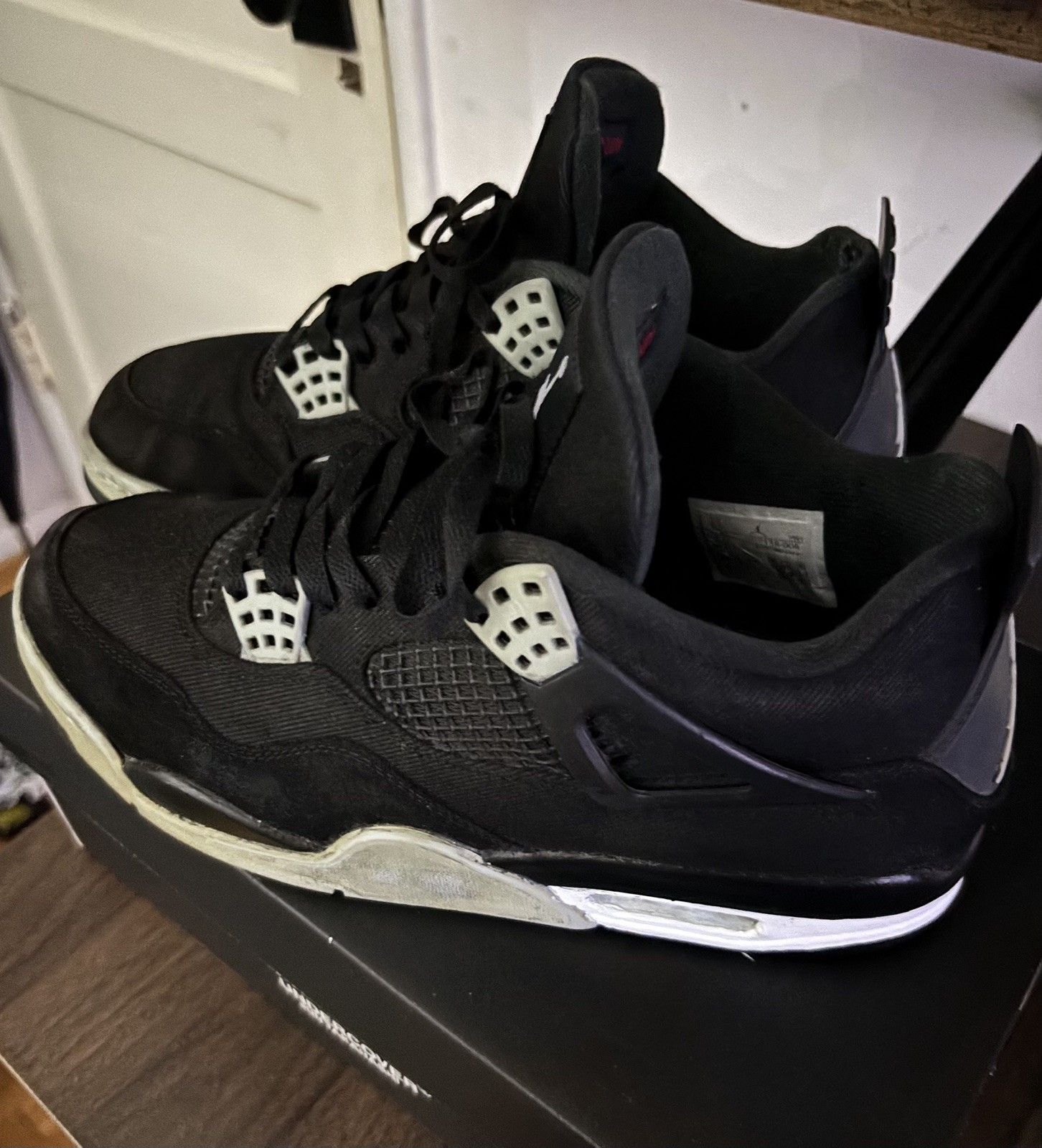
Wear patterns are the physical manifestations of use on a sneaker. This includes surface abrasions (scuffs, scrapes), material deformation (creasing, stretching), and cosmetic changes (discoloration, dirt transfer). In the collecting sphere, this is the quantifiable evidence of the shoe's life cycle. "Deadstock" (DS) means the shoe has never been worn outside the box. Any deviation from DS—such as sole scuffing or toe box creasing—is categorized as "used" or "pre-owned." This is not merely cosmetic; it is a measurable degradation of the item's collectible integrity.
What it does to price
Wear patterns create immediate, non-linear value drops. A pair rated "Deadstock" commands the maximum market price, often 1.5x to 3x the price of a comparable "lightly used" pair. Minor, isolated wear (e.g., a single scuff on the heel counter) might result in a 10-15% reduction from the DS price. Significant wear, such as heavy midsole yellowing or deep creases across the vamp, can cause a 40%+ devaluation. For example, a pristine pair listed at \$300 might sell for \$250 with minor heel wear, but drop to \$180 if the sole rubber shows substantial tread loss.
How to spot it
Inspection requires close examination of high-resolution imagery. Look specifically at the outsole tread depth (wear on the bottom), the midsole integrity (yellowing or cracking), and the upper material stress points (creasing around the flex points of the toe and ankle). Sellers must provide photos of the soles, not just the upper. Common issues include "shelf wear" (light dust/scuffs from storage) versus "use wear" (actual abrasion from walking). Fakes often exhibit inconsistent wear patterns—for instance, a supposed heavily used shoe that looks uniformly clean.
Buying smart
Paying a premium for near-perfect condition is justified when the shoe is a high-demand, low-supply release (e.g., a rare colorway or limited collaboration). If the shoe is a common, easily sourced model, the marginal value gain from "lightly used" versus "DS" is often negligible compared to the risk of buying used. A fair deal for a used pair is one where the stated wear matches the visual evidence; if a seller claims "lightly used" but the sole shows heavy wear, the price is inflated.
Selling smart
Transparency regarding wear patterns maximizes buyer trust and justifies the asking price. Instead of vaguely stating "good condition," categorize the wear precisely: "DS," "Light Creasing," or "Moderate Sole Scuffing." The single most valuable asset in a listing is a dedicated, high-resolution photograph focusing solely on the area of wear. A clear photo showing a specific scuff allows the buyer to mentally price the damage, leading to a faster, higher-value transaction than one based on subjective description alone.
On eBay right now
Current asking prices from live listings — not sold-comp medians.




eBay links are affiliate links: JunkPal may earn a commission at no cost to you.