What does “wear pattern” mean?
What it means
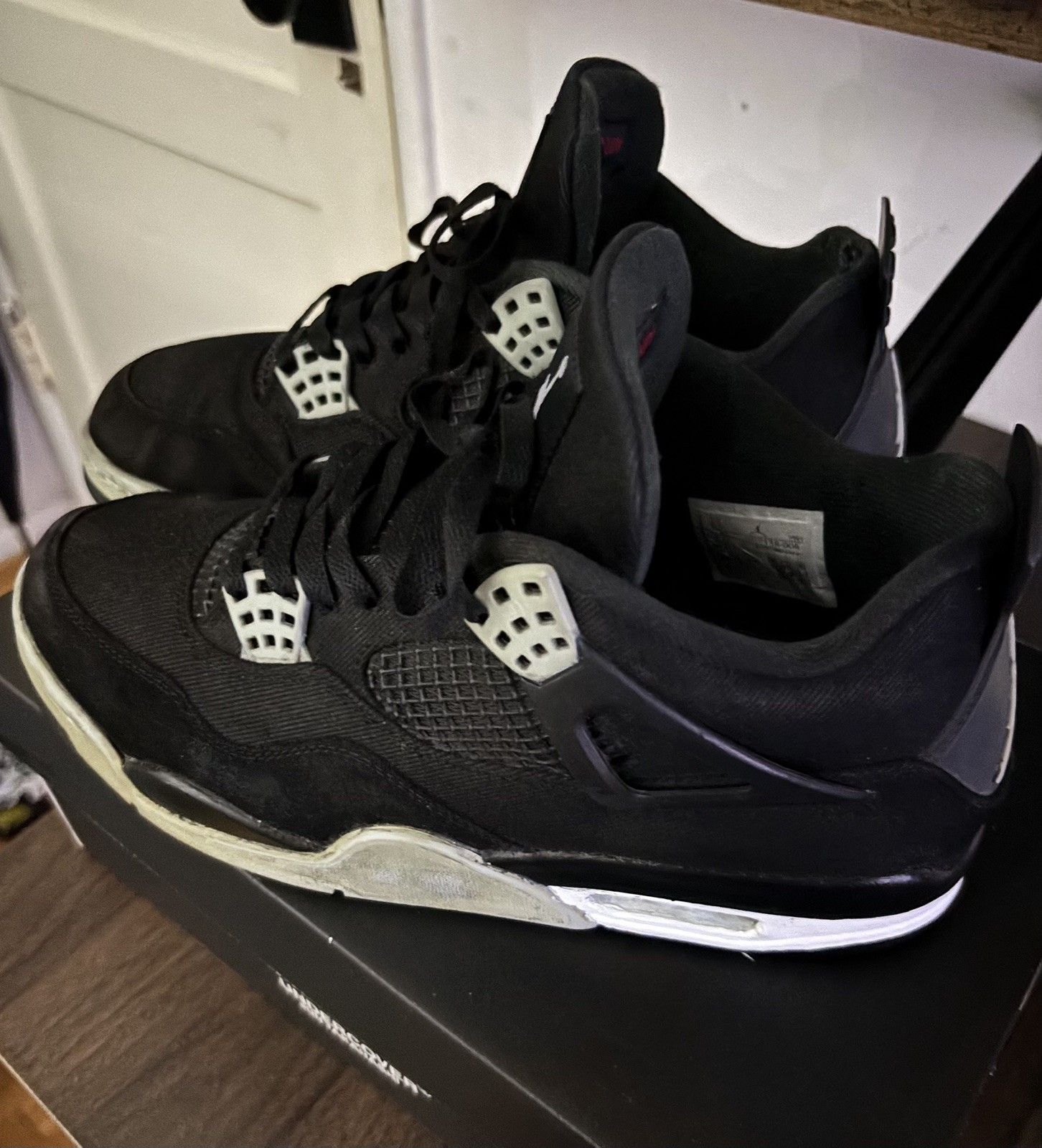
Wear pattern is the specific manifestation of use on a sneaker. It details where and how the shoe has aged or been damaged. This includes material degradation like creasing on the upper (vamp), abrasion on the rubber (toe box, midsole), and tread loss on the outsole. For the collector/reseller, this is not just "dirt"; it is a documented history of the shoe's life. A light, predictable wear pattern suggests careful use, whereas heavy, random damage signals rough handling or poor maintenance. The mainstream equivalent is simply "condition," but wear pattern specifies the *type* of condition.
What it does to price
Wear pattern dictates condition grading, which directly impacts market value. A deadstock (DS) shoe commands the highest premium. A shoe with light, uniform wear (e.g., minor creasing, light outsole scuffs) typically retains 85–95% of its retail/resale value. Moderate wear (visible creasing, minor tread wear) often drops value into the 60–80% range. Heavy wear, such as significant sole abrasion or major discoloration, can reduce value by 50% or more, sometimes rendering it only suitable for parts or casual wear, not collector investment. For example, a highly sought-after pair with minor sole scuffs might sell for $50 more than an identical pair with pristine soles.
How to spot it
Inspection requires close examination of high-resolution photos. Look for consistent patterns: is the creasing uniform across the forefoot, or localized? Check the outsole for wear depth—is the tread worn down to the base rubber, or is it just surface scuffing? Sellers must provide photos of the outsole tread, the heel strike area, and the toe box from multiple angles. Fakes often mimic wear poorly; they might show unnatural, uniform scuffing that looks digitally applied. An honest mistake is often a single, isolated scuff mark that does not correlate with the shoe's overall usage level.
Buying smart
Paying a premium for wear is only justifiable if the wear pattern is verifiable, light, and aesthetically pleasing (e.g., subtle patina on vintage leather). If a shoe is advertised as "deadstock" but shows significant, obvious wear, the discount is substantial. A fair deal for a used pair involves the asking price reflecting the *severity* of the wear pattern. If the wear is heavy, the price should reflect a functional, used item, not a collectible artifact. If the wear is minimal and consistent, the price should be close to the upper end of the used market range.
Selling smart
Documenting the wear pattern accurately is crucial for setting buyer expectations and justifying the price tier. Do not hide flaws. Categorize the wear: "Light creasing, minimal outsole wear" versus "Moderate sole abrasion, visible heel wear." The single most effective element in a listing is a clear, close-up photo of the most damaged area (e.g., the heel rubber). This transparency prevents disputes and attracts buyers specifically looking for a certain level of used condition, often commanding a higher price from niche buyers than a generic listing.
On eBay right now
Current asking prices from live listings — not sold-comp medians.




eBay links are affiliate links: JunkPal may earn a commission at no cost to you.