What does “wear indicators” mean?
What it means
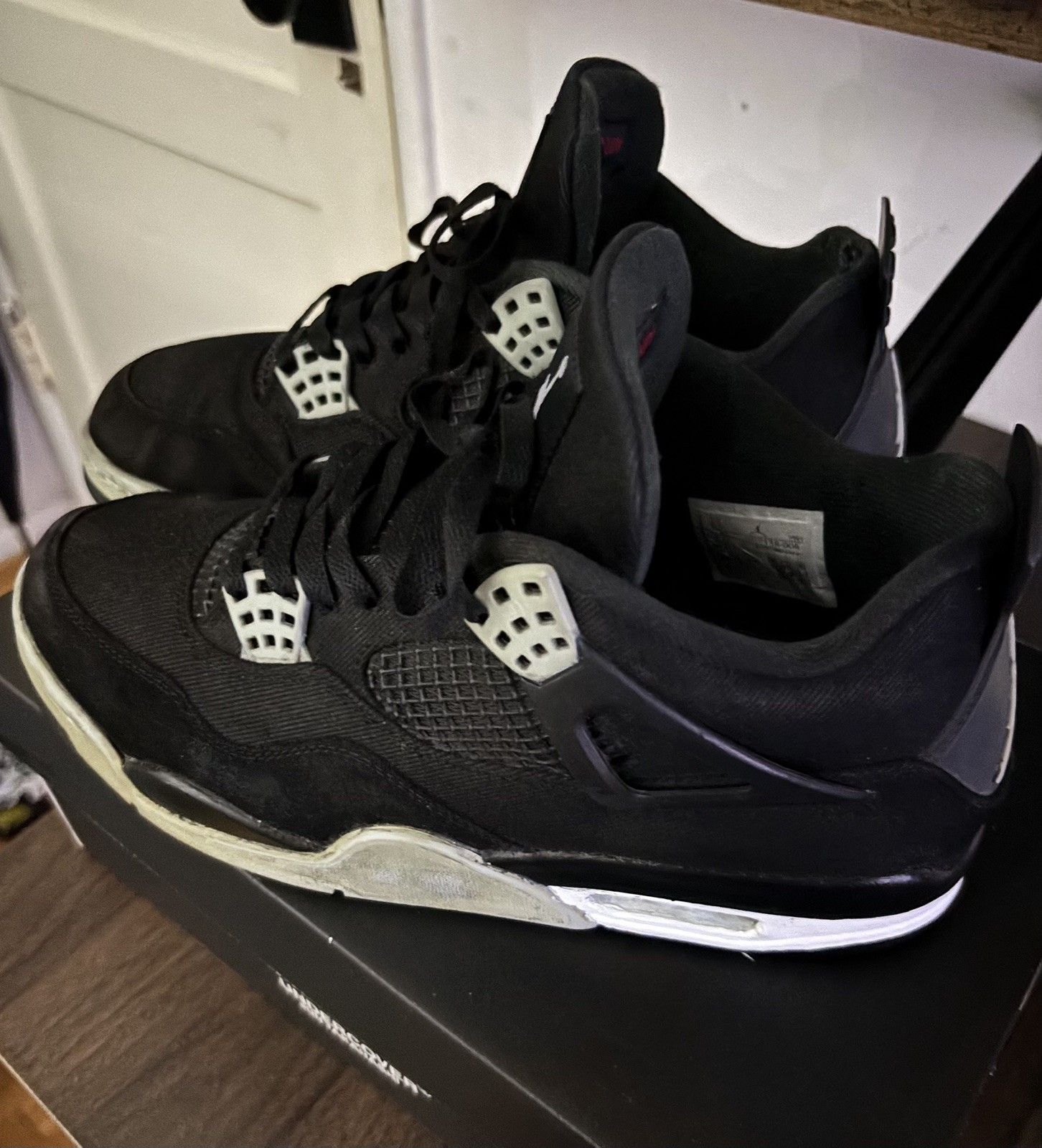
Wear indicators are physical signs of use on a sneaker, differentiating a shoe from factory-fresh condition. This concept is the tangible evidence used to assign a condition grade (e.g., Deadstock, VNDS, Used). These indicators go beyond obvious dirt; they include microscopic abrasion, material stress, and structural changes. Examples include heel drag marks, sole edge fading, creasing in the vamp, or slight discoloration where the shoe contacts the ground. For the collector or reseller, these are not aesthetic flaws but quantifiable data points that dictate the shoe's market classification.
What it does to price
The presence and severity of wear indicators directly correlate to depreciation. A pair graded Deadstock (DS) commands the highest premium, often 30% to 100%+ above a Near Mint (NM) pair. A shoe exhibiting moderate wear indicators (e.g., minor creasing, light sole scuffing) typically sees a 20% to 40% reduction from its DS valuation. Conversely, heavy wear indicators—significant sole abrasion or deep creasing—can drop the value by 50% or more, sometimes placing it in a category where it only fetches 40-60% of its original retail price, depending on the model's rarity.
How to spot it
Inspection requires magnification and strong, direct lighting. Look for stress fractures or discoloration along flex points (toe bends). Examine the outsole edges for material loss or embedded debris. For knit uppers, inspect for pilling or irreversible stretching. Sellers must provide high-resolution photos of the sole edges, heel area, and the inner lining near the collar. Be wary of sellers who claim "Deadstock" but refuse close-up photos of the outsole or heel counter; this is a common tactic to mask moderate wear.
Buying smart
Paying a premium for a shoe with minor, unavoidable wear indicators (e.g., a tiny scuff on the outsole from being tried on once) is justifiable if the shoe is otherwise pristine and the price difference is marginal (under 10% of the DS price). However, paying a significant premium (over 30%) for a shoe with visible, noticeable wear indicators is rarely a good investment unless the model is exceptionally rare or highly sought after. A fair deal balances the observable wear against the established market rate for that specific condition grade.
Selling smart
Accurate documentation of wear indicators maximizes realized value. Do not hide them. A listing that clearly states, "VNDS - Minor creasing on the vamp," and includes photos showing the specific wear areas earns higher trust and attracts buyers willing to pay a premium for transparency over those who are wary of undisclosed damage. The single most effective element is a detailed condition report that matches the visual evidence, preventing returns and negative feedback.
On eBay right now
Current asking prices from live listings — not sold-comp medians.




eBay links are affiliate links: JunkPal may earn a commission at no cost to you.