What does “vault piece” mean?
What it means
A vault piece is a sneaker defined by extreme scarcity, high demand, and often significant cultural or historical importance. It is not merely a rare shoe; it is an item whose existence outside of private, secure storage—the "vault"—is exceptional. The term signifies an item that has moved from being an exclusive, high-value asset to a public, tradable commodity. The mainstream equivalent is a blue-chip collectible. Provenance—the documented history of ownership—is a non-negotiable component of its value proposition.
What it does to price
Vault pieces command exponential premiums over standard rare releases. A verified vault piece can easily fetch 5x to 20x the price of a comparable, but less historically significant, limited edition. The primary drivers for price inflation are verifiable scarcity (low production numbers) and impeccable provenance. A documented vault piece with factory-fresh packaging (CIB) can see a 30-50% uplift over an identical, but unprovenanced, pair. Conversely, any gap in the chain of custody, even a single undocumented transfer, can cause a 20-35% devaluation. For example, a pristine, documented Jordan 1 Retro High OG vault piece might sell for $15,000; if the seller cannot provide receipts from the original auction house, the price might drop to $10,000.
How to spot it
Spotting a vault piece requires moving beyond visual inspection of the shoe itself. Look for specific edition markers, often involving unique serial numbers, internal tags, or specific, undocumented colorways known only to deep-dive collectors. Sellers must provide high-resolution, multi-angle photos of the box, tags, and any accompanying documentation (e.g., authentication certificates, acquisition receipts). Common pitfalls include "vault-adjacent" pieces—shoes that are rare but lack the documented history to qualify. Fakes often replicate the shoe perfectly but fail on the paper trail; the paper trail is the differentiator.
Buying smart
Paying a premium for a vault piece is only justified when the documented scarcity is absolute and the item is in near-perfect condition. If the price premium is based solely on hype or vague claims of "vault status" without verifiable paperwork, the risk is too high. A fair deal involves a price that reflects the known market ceiling for that specific item *plus* a reasonable premium for the verifiable documentation. If the asking price is significantly above established auction records for similar documented pieces, the buyer must demand immediate, verifiable proof of authenticity and ownership.
Selling smart
Listing a vault piece requires framing the narrative around its history, not just its condition. The listing must detail the provenance: "Acquired from [Specific Auction House] in [Year]." The single most valuable element in a listing is the photograph of the documentation—the receipt, the certificate, or the provenance ledger. This single piece of evidence shifts the item from a "rare sneaker" to a "certified asset," allowing the seller to command the top-tier, collector-grade pricing bracket.
On eBay right now
Current asking prices from live listings — not sold-comp medians.


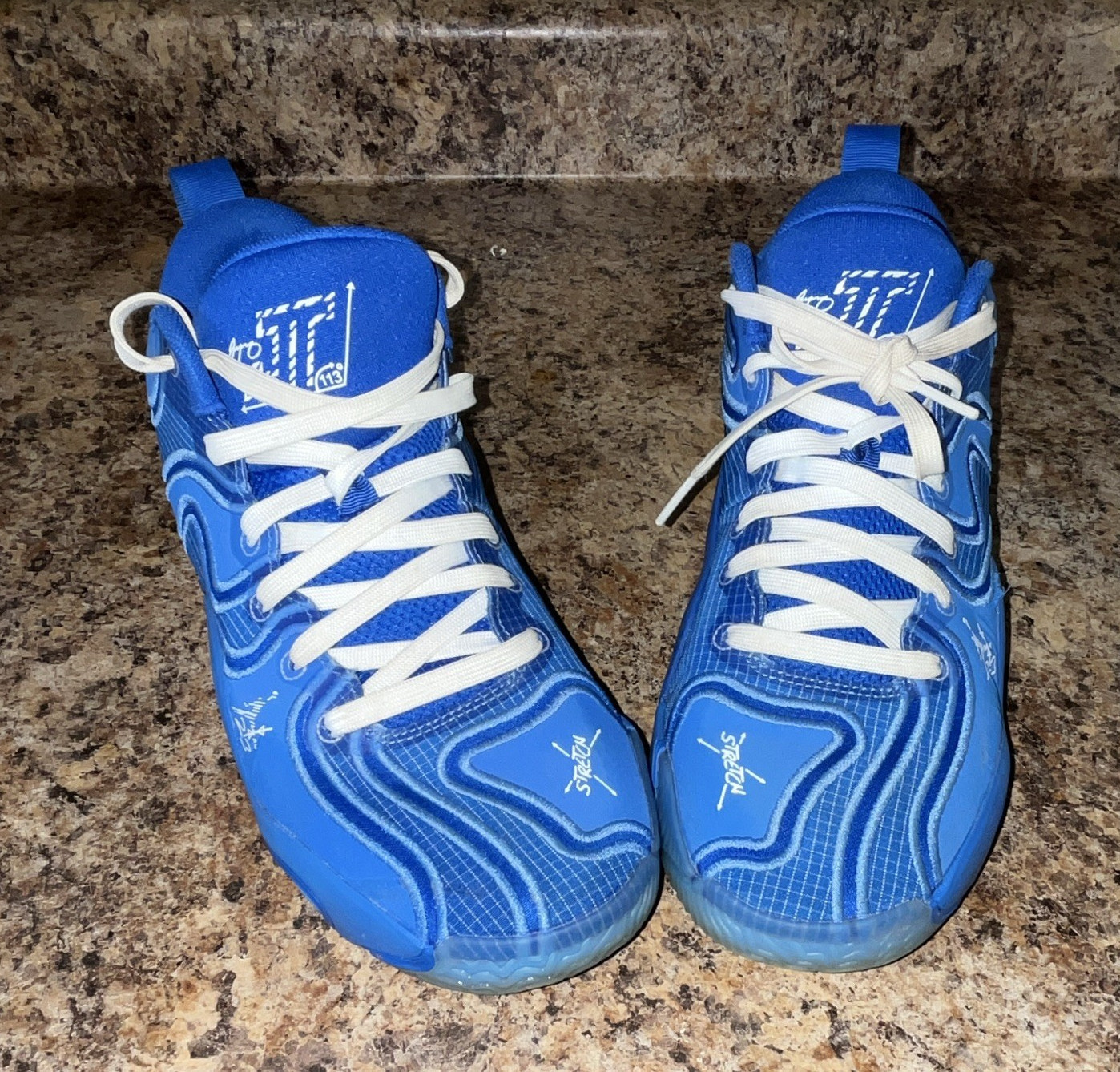


eBay links are affiliate links: JunkPal may earn a commission at no cost to you.