What does “used market” mean?
What it means
The used market is the secondary market for sneakers. It is the ecosystem where sneakers that have already been purchased and worn are resold, separate from the primary retail channels (like Nike or Adidas stores). For collectors and resellers, this is the inventory source. It encompasses everything from deadstock (brand new, unworn) items that were bought and then never worn, to heavily worn pairs. The market functions as a price discovery mechanism; established resale values dictate what a shoe is worth outside of its original MSRP.
What it does to price
Condition is the primary driver of value fluctuation. A pair in near-deadstock condition (minimal signs of wear, original box intact) can command 1.5x to 3x the price of a heavily worn pair of the same model. Wear on the soles, scuffs on the upper, and discoloration significantly depress value. For example, a highly sought-after limited release might sell for $500 retail; a heavily worn pair might fetch $150, while a deadstock pair could reach $1,200. Provenance—documentation showing where the shoe came from—can add a small premium, perhaps 5-10%, if it links to a known collection or event.
How to spot it
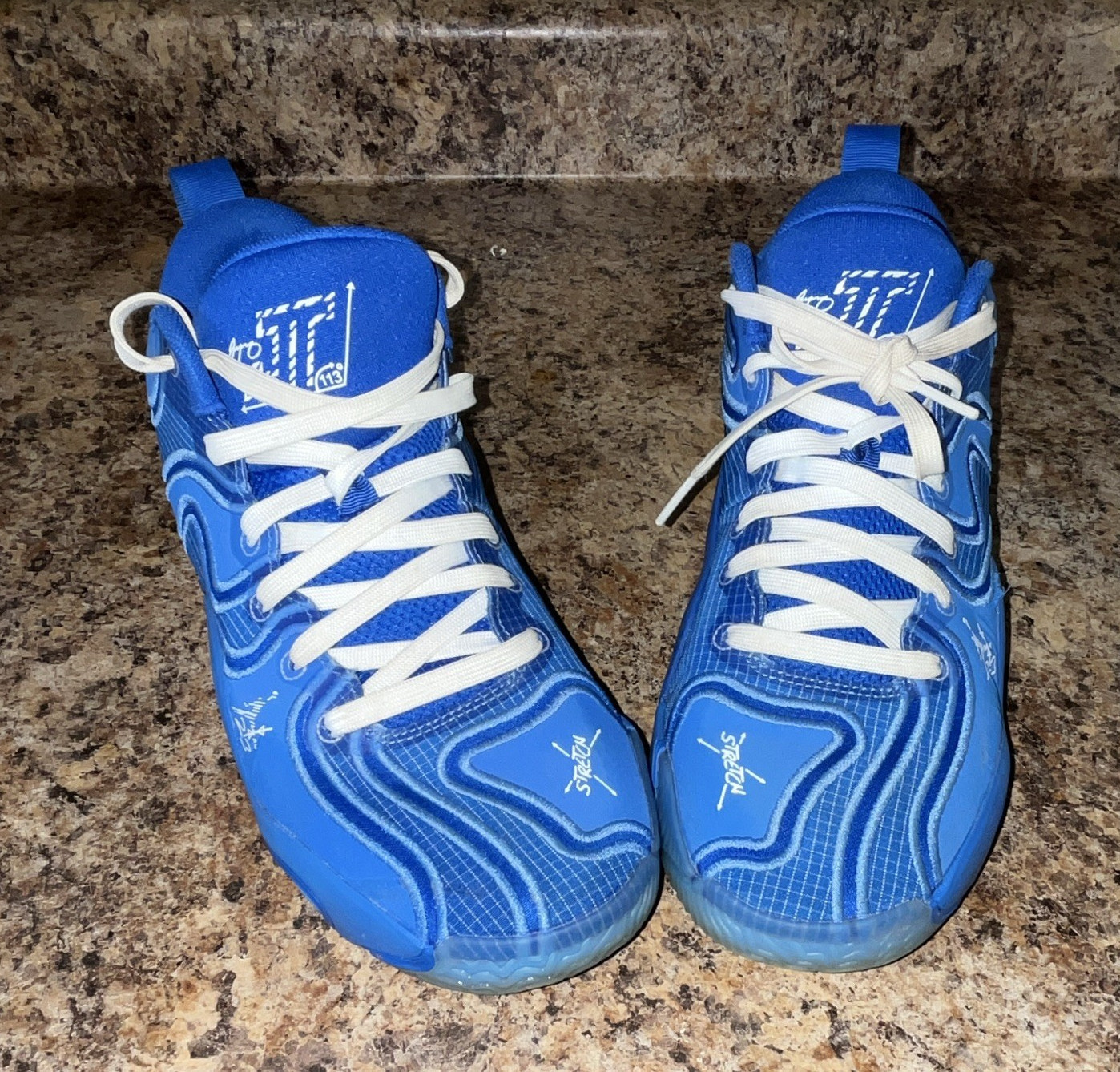
Distinguishing legitimate used market items from counterfeits requires close inspection. Examine the material texture under magnification; fakes often have overly glossy or plasticky finishes. Check stitching patterns against known reference photos for the specific model. When assessing used items, look for wear patterns that align with typical use—soles should show even abrasion if worn consistently. Sellers must provide high-resolution photos of the sole tread, the interior insoles (for discoloration), and any original tags or packaging seals. A lack of these specific photos is a major red flag.
Buying smart
Paying a premium in the used market is justified when the shoe is highly limited, culturally significant, or has demonstrated consistent, high demand across multiple platforms. If a shoe is easily available through standard retail channels, the premium paid in the secondary market is likely inflated and not worth the risk. A fair deal involves a price that is within 10-20% of the established secondary market average for that specific condition grade. If the asking price is significantly higher than comparable, documented sales, the risk of overpaying is high.
Selling smart
Transparency maximizes realized profit. Listing an item with detailed, honest documentation of its condition immediately validates the asking price. Providing clear, well-lit photos of the soles, heels, and any visible flaws (scuffs, dirt) shifts the buyer perception from "unknown risk" to "known commodity." The single most effective word to include in a listing description is "Authentic," supported by clear photos of any accompanying receipts or tags. This word, when paired with proof of condition, earns the premium over vague listings.
On eBay right now
Current asking prices from live listings — not sold-comp medians.



eBay links are affiliate links: JunkPal may earn a commission at no cost to you.