What does “used” mean?
What it means
"Used" in the sneaker market means the footwear has been worn outside of the manufacturing environment. This is distinct from "pre-owned," which sometimes implies a more curated, near-new condition, and "deadstock," which means never worn. The term covers a broad spectrum: from "lightly worn" (minimal cosmetic wear, structural integrity intact) to "heavily used" (significant scuffing, sole wear, discoloration). The condition grade—like VNDS (Very Near Deadstock) or DS (Deadstock)—is the precise metric used by serious collectors, not just the blanket term "used."
What it does to price
Condition dictates value exponentially. A pair graded VNDS can command 80-95% of a deadstock price. A lightly used pair, showing only minor creasing, typically sells for 60-75% of retail/DS value. Heavily used, heavily scuffed, or structurally compromised pairs can drop to 20-40% of DS value. For example, a pair of popular retro runners might sell for $150 USD when VNDS, but only $60 USD if the outsole rubber is visibly worn down to the midsole.
How to spot it
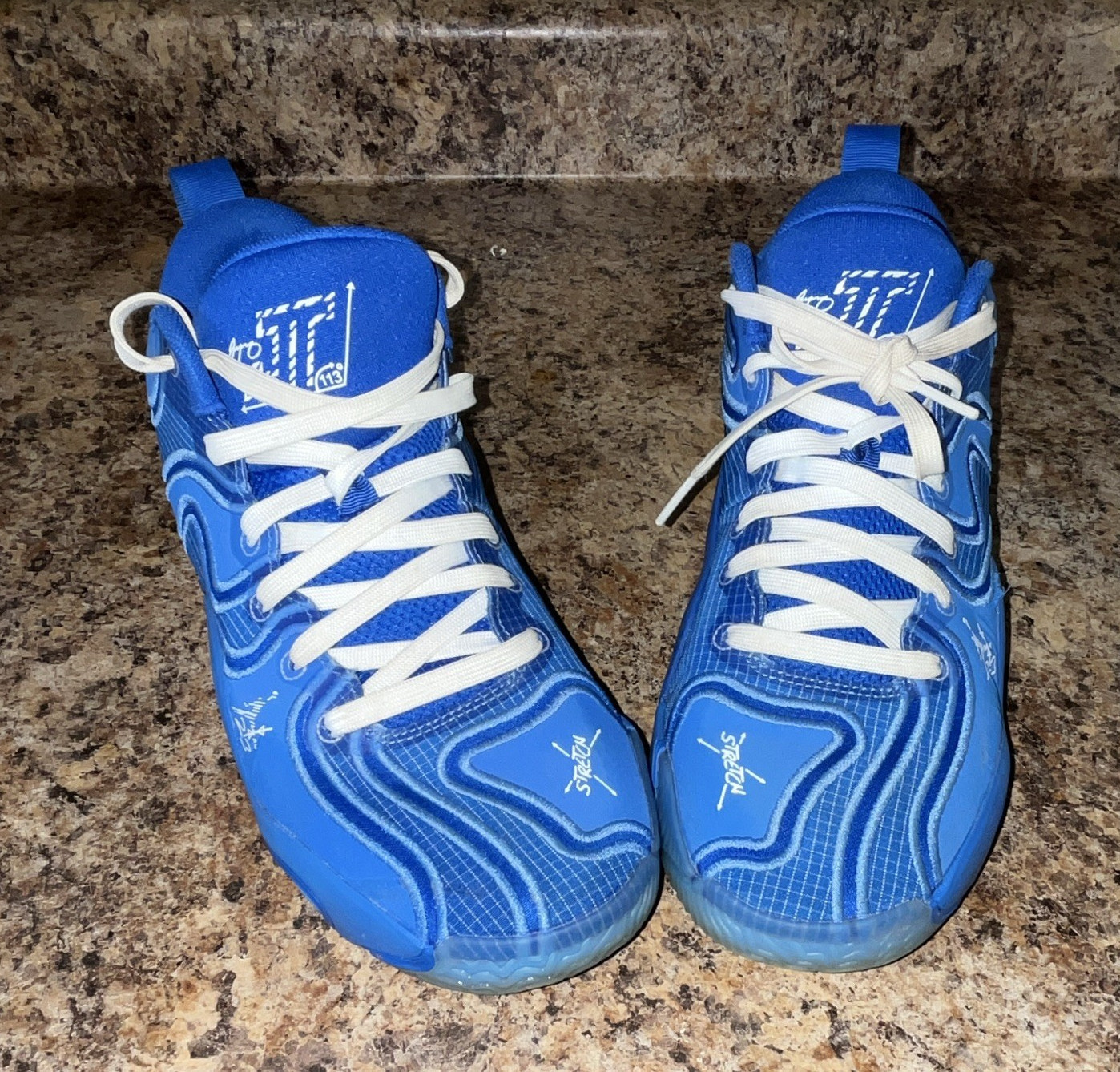
Wear is visible on the soles, midsoles, and toe boxes. Look for scuffing on the synthetic overlays, dirt embedded in the stitching, and creasing patterns that suggest repeated flexing. Sellers must provide high-resolution photos of the outsole tread pattern and the heel counter. Common mistakes include sellers mislabeling VNDS as "lightly used," or failing to disclose minor heel drag, which is a significant negative factor.
Buying smart
Paying a premium for a used pair is justifiable only when the wear is minimal (VNDS) and the shoe is highly desirable or rare. If the shoe is a common, high-volume release, the price drop from DS to used is often too large to justify the risk. A fair deal means the asking price reflects the actual wear grade; if a seller claims "lightly used" but the photos show significant sole wear, the price is inflated.
Selling smart
Transparency maximizes return. Listing a shoe as "Used - Lightly Worn" with detailed photos showing the *exact* wear pattern—e.g., "Minor scuffs on lateral side, soles 80% remaining"—allows buyers to self-grade the item. The single most effective element is a clear, close-up photo of the outsole tread. This photo proves the wear level, justifying the price point and preventing disputes.
On eBay right now
Current asking prices from live listings — not sold-comp medians.




eBay links are affiliate links: JunkPal may earn a commission at no cost to you.