What does “upper wear” mean?
What it means
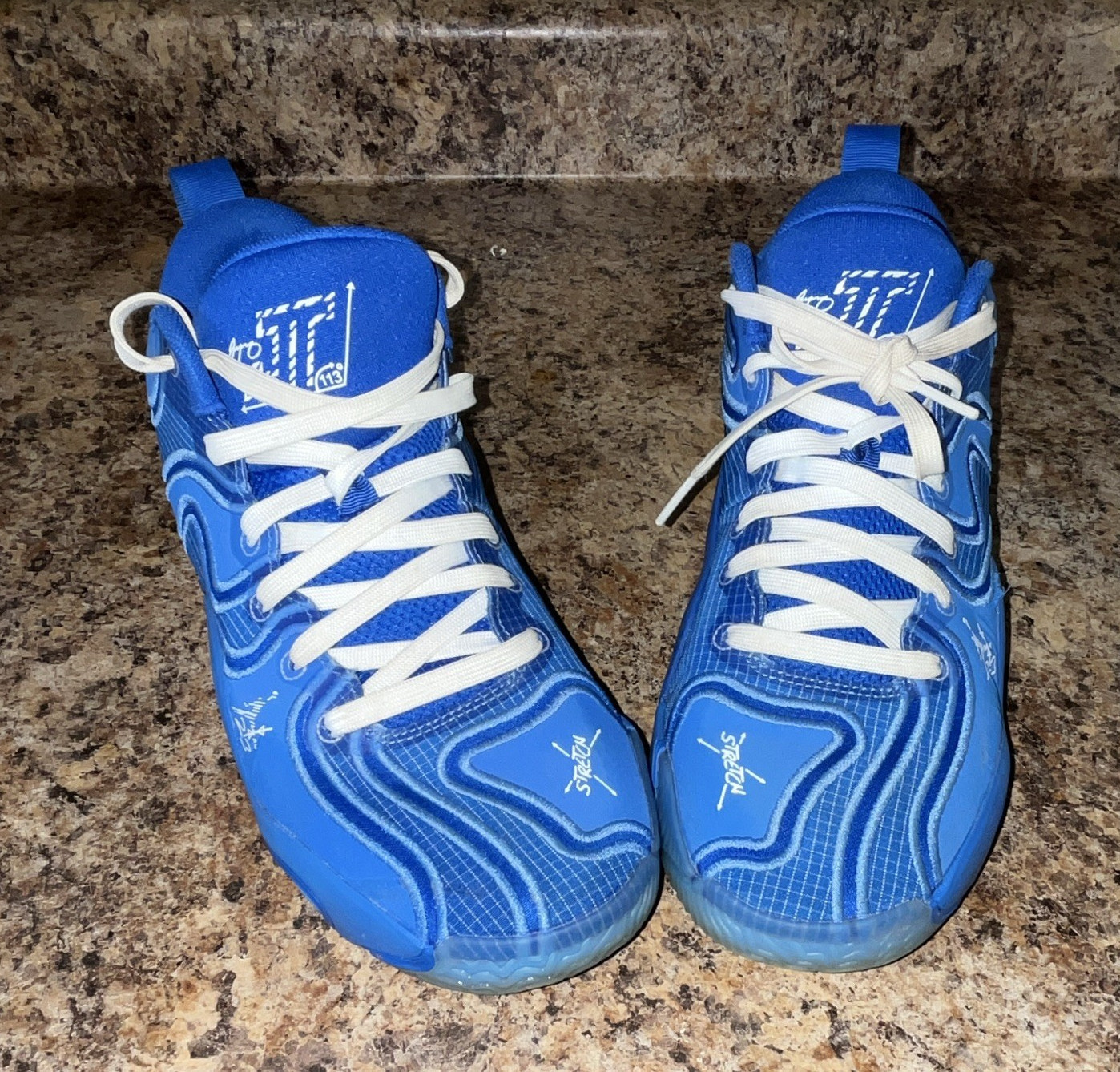
Upper wear refers to the primary exterior components of a sneaker—the materials that wrap around the foot, including mesh, leather panels, canvas, and synthetic overlays. It is strictly separate from the sole unit, which comprises the midsole (the cushioning layer) and the outsole (the tread contacting the ground). In collecting, the upper is the primary aesthetic indicator of the shoe's condition. Damage here—such as scuffs, discoloration, material stress, or structural tears—is the most immediate factor affecting market desirability. A pristine upper implies minimal use and superior preservation.
What it does to price
Upper condition dictates the tier of valuation. A deadstock (DS) upper commands the highest premium, often fetching 1.8x to 3x the price of a lightly worn (L) pair. Minor scuffs or light creasing (Grade B) typically result in a 15-25% price reduction compared to DS. Significant material degradation, such as deep fading or peeling on synthetic overlays, can cause a 40%+ drop. For example, a pristine white leather upper on a popular model might sell for $350; if that upper shows noticeable yellowing or deep creasing, the value could drop to $225.
How to spot it
Inspection requires close examination of all panels. Look for stress points around the toe box and eyelets; excessive creasing here indicates heavy use. Check seams for separation or fraying, especially on canvas or mesh. For high-end leather, look for cracking or deep scratches that penetrate the finish. Sellers must provide high-resolution, well-lit photos of the entire shoe, focusing specifically on the toe box and sides. Common issues include manufacturing defects (honest mistakes) versus intentional aging or damage. Fakes often use lower-grade materials that show premature cracking or inconsistent stitching patterns on the upper.
Buying smart
Paying a premium for an upper is justified only when the shoe is rare, highly sought after, or part of a limited release where condition is a prerequisite for entry into the market. If the shoe is a common release, the value difference between DS and L is often not worth the extra cost. A fair deal for a DS pair requires the listed price to reflect the top-tier market average for that specific model. If a seller claims "DS" but the photos show visible creasing, the price is inflated and should be negotiated down to reflect a Grade B condition.
Selling smart
Proving the upper's condition is the single most effective way to maximize sale price. Use descriptive, objective language: "Deadstock," "Near Mint Upper," or "Lightly Worn." The most critical photo to include is a high-resolution, close-up shot of the toe box and side panel, ideally under natural light. If the upper is flawless, stating "Pristine Upper" allows the seller to anchor the price at the highest tier, often capturing the full market premium for collector-grade items.
On eBay right now
Current asking prices from live listings — not sold-comp medians.




eBay links are affiliate links: JunkPal may earn a commission at no cost to you.