What does “upper discoloration” mean?
What it means
Upper discoloration is any visible alteration to the color, texture, or finish of the shoe's exterior materials. This encompasses yellowing (common on white midsoles or rubber components), fading from UV exposure, surface staining (dirt, water marks), and scuffing. For collectors, this is a direct indicator of wear, improper storage, or environmental damage. While the general term is straightforward, in the sneaker niche, discoloration is categorized by severity: light patina (minor surface change) versus heavy oxidation or staining (significant structural change). It is a direct contrast to "Deadstock" or "Brand New."
What it does to price
Discoloration acts as a direct depreciation factor. A pair in near-perfect, unworn condition (Deadstock) commands the highest premium. Even minor, localized discoloration can reduce market value by 15% to 35% compared to a flawless counterpart. Heavy, widespread discoloration or significant yellowing can drop the value by 50% or more, potentially pushing the shoe into the "used" or "vintage" pricing bracket, even if structurally sound. For example, a highly sought-after limited release that sells for $600 in pristine condition might only fetch $450–$500 with noticeable yellowing on the midsole.
How to spot it
Inspection requires close examination under direct light. Look specifically at seams, areas prone to contact (toe box, heel counter), and rubber components. Common tells include: uneven pigment loss on printed graphics, dulling of patent leather, or discoloration migrating from the outsole up the sidewall. Sellers must provide high-resolution, zoomed-in photos of the entire upper, including the tongue and collar lining, to confirm the extent of the issue. Be wary of sellers claiming "light wear" when the photos show deep, ingrained staining, which suggests poor handling or intentional misrepresentation.
Buying smart
Paying a premium for a pair with discoloration is only justifiable if the shoe is otherwise flawless, the discoloration is minor (e.g., slight yellowing on an otherwise pristine sole), and the model is extremely rare or highly sought after. If the discoloration is extensive, or if the shoe is a common release, the discount outweighs the appeal. A fair deal for a lightly used pair with minor, superficial discoloration should reflect a 20–30% reduction from the Deadstock retail price. If the damage is structural (cracking, deep stains), the price should reflect that it is a "project" or "worn" piece.
Selling smart
Transparency is the primary driver of realized price. Hiding discoloration leads to returns and negative feedback. When listing, use clear, descriptive language—e.g., "Minor midsole yellowing present" instead of "Light wear." Include at least one dedicated, well-lit photograph that clearly showcases the affected area. This honesty allows the buyer to self-assess the damage and adjust their offer accordingly. A clear disclosure of minor flaws allows the seller to command a higher price than if the flaw were discovered post-purchase, often earning a premium for honesty.
On eBay right now
Current asking prices from live listings — not sold-comp medians.


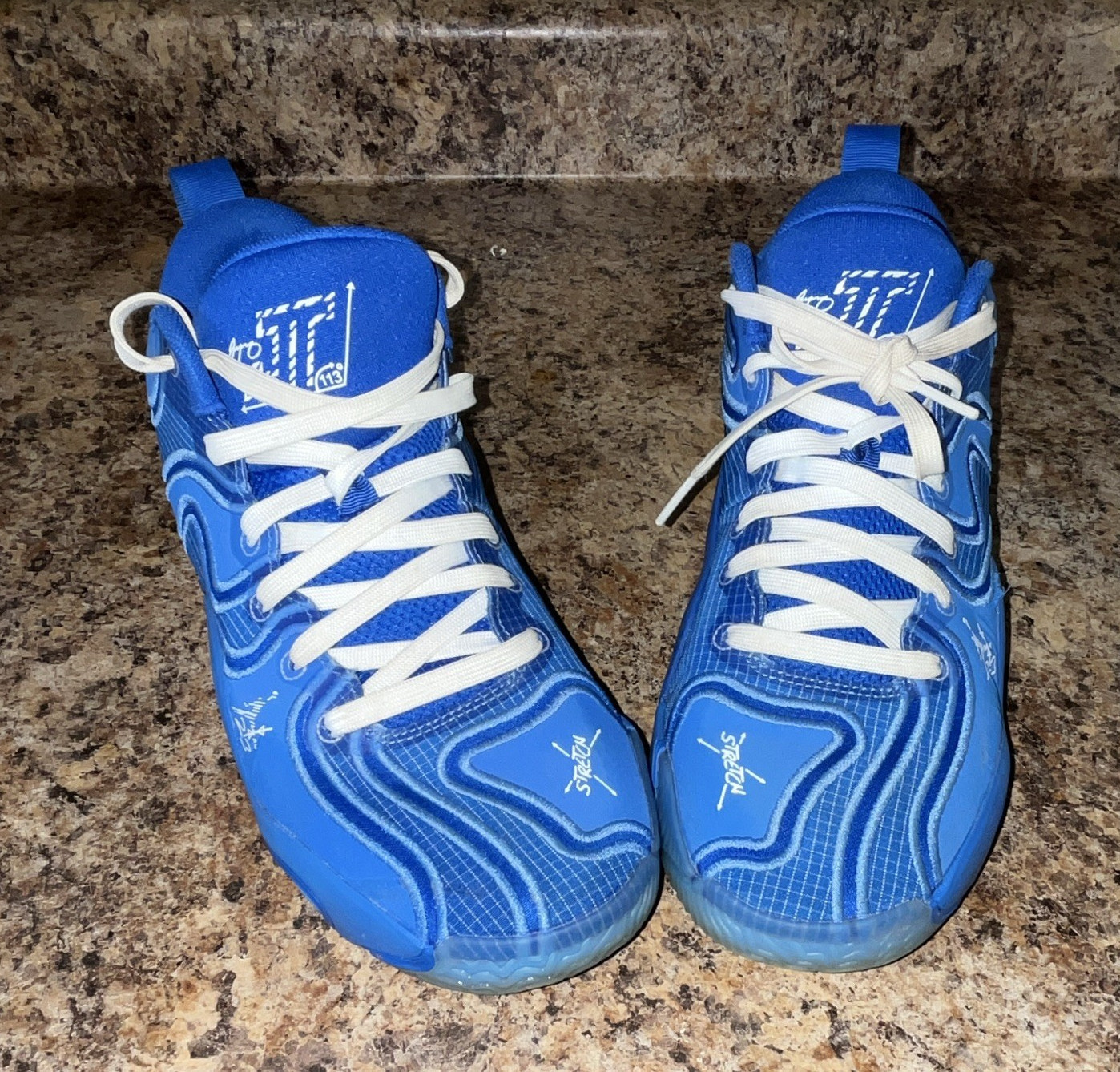


eBay links are affiliate links: JunkPal may earn a commission at no cost to you.