What does “upper condition” mean?
What it means
Upper condition is the assessment of the primary exterior material of the sneaker—leather, canvas, mesh, or synthetic overlays. This evaluation covers surface integrity, specifically noting scuffs, abrasions, creasing patterns, discoloration, and material degradation across all visible panels. It is the most critical aesthetic indicator of a shoe's history. While the short definition is accurate, the focus must be on *wear patterns* versus *damage*. Minor creasing from normal wear is expected; deep, structural creasing or material peeling is damage. For the collector/reseller, this dictates the shoe's perceived grade (e.g., VNDS, Excellent, Good).
What it does to price
Upper condition drives the bulk of the valuation. A deadstock, flawless upper (often graded "Mint" or "Pristine") can command a 1.8x to 3x premium over a shoe with minor, expected creasing. Conversely, significant discoloration or major scuffing across premium panels can trigger a 30-50% reduction in asking price. For example, a pair of otherwise perfect Jordans with heavy, visible scuffing on the toe box might sell for $150 less than a clean pair in the same condition otherwise. Upper integrity is the primary determinant of resale tier.
How to spot it
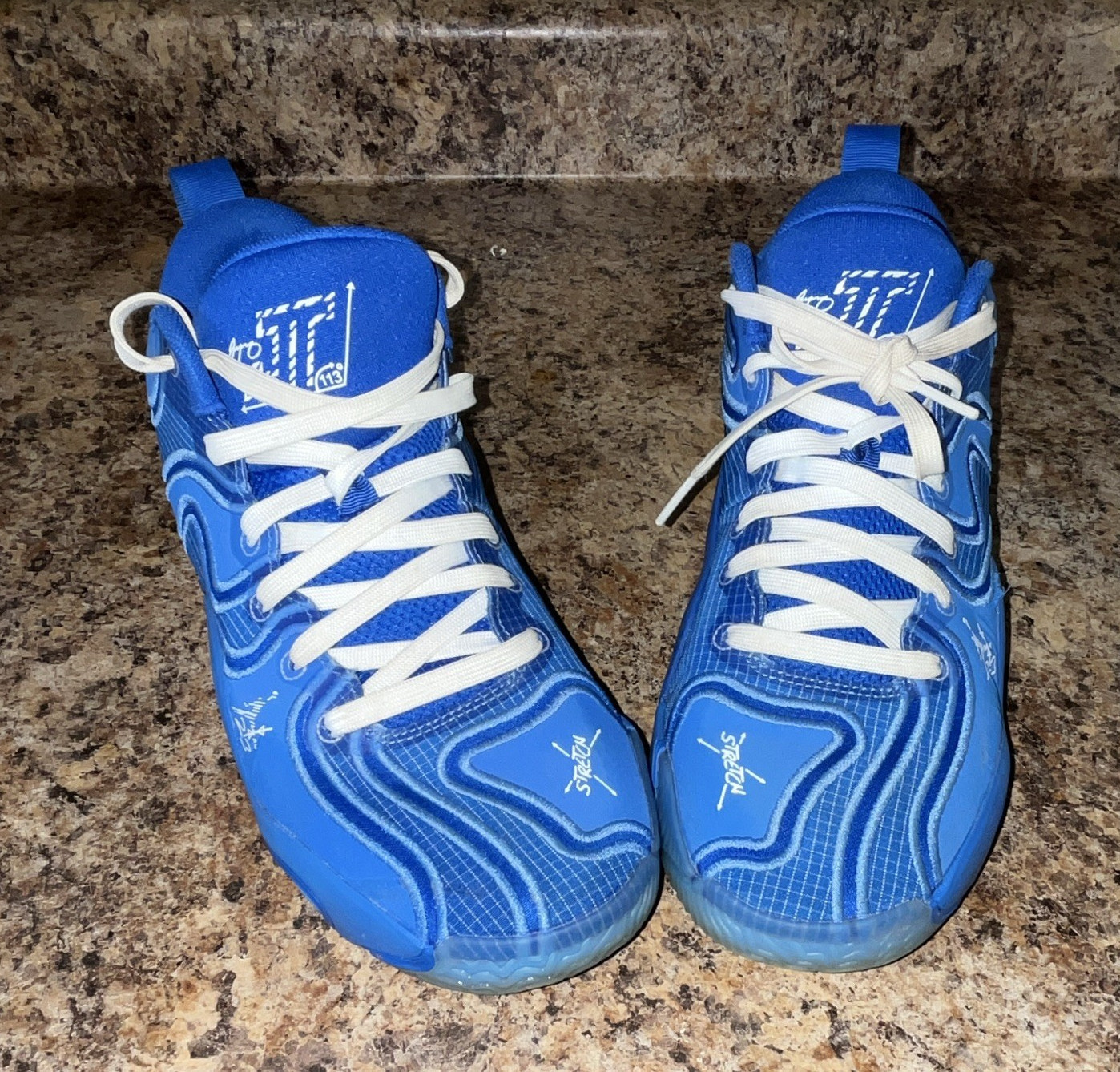
Inspection requires high-resolution photography under direct, bright light. Look for stress points: where the upper meets the sole, or around eyelets. Common tells include: premature cracking in synthetic overlays, dye transfer onto adjacent materials, or inconsistent color saturation (discoloration). Sellers should provide close-ups of the heel counter and toe box. A common mistake is confusing "break-in creasing" (natural flexing) with "damage creasing" (sharp, unnatural folds caused by impact). Fakes often have subtly off-texture or inconsistent dye application on the upper materials.
Buying smart
Paying a significant premium for upper condition is justified when the shoe is a highly sought-after, rare release, and the upper is genuinely flawless (i.e., it has never been worn). If the shoe is a common model, the premium for "Mint" condition is often inflated; a "Very Good" upper is usually sufficient for a solid return. A fair deal exists when the asking price reflects the *highest* possible grade, but the seller provides photographic evidence matching that claim. If the asking price is high but the photos show noticeable wear, the deal is poor.
Selling smart
Proving upper condition directly translates to higher buyer confidence and price ceiling. A listing must explicitly state the condition grade (e.g., "Upper: Near Mint"). The single most effective photo is a macro shot of the most vulnerable upper area (usually the toe box or heel) showing zero discernible flaws. Using descriptive terms like "uncreased," "pristine," or "factory fresh" in the title, backed by photographic proof, earns the premium over vague terms like "good shape."
On eBay right now
Current asking prices from live listings — not sold-comp medians.




eBay links are affiliate links: JunkPal may earn a commission at no cost to you.