What does “unreleased heat” mean?
What it means
"Unreleased heat" refers to footwear designs that existed within a brand’s development cycle—prototypes, sample pairs, or leaked mock-ups—but were never officially released for commercial sale. This is distinct from "deadstock" (new, never worn retail product) or "exclusives" (limited runs released through specific channels). Unreleased items represent design concepts that failed to make the final cut or collaborations that were shelved. The scarcity is absolute because the supply was never intended for the public market. The mainstream equivalent is a "sample" or "pre-production unit."
What it does to price
The scarcity premium on genuine unreleased heat is substantial, often multiplying the value of a comparable retail release by 3x to 10x, depending on the design's desirability and the level of documentation. A simple prototype lacking any verifiable paperwork might command a 2x premium over a standard retail release. Conversely, an unreleased design that is visually similar to a known, highly popular model but lacks unique identifiers might only command a 1.5x premium. If a sample is tied to a known, high-profile designer or celebrity collaboration that was rumored but never materialized, the multiplier can exceed 15x.
How to spot it
Authenticating unreleased heat requires evidence beyond just the shoe itself. Look for internal markings, such as internal SKU numbers or sample codes, which often differ from final production codes. Prototypes frequently feature different materials, unfinished elements (e.g., exposed stitching, unpainted details), or size inconsistencies. Sellers must provide high-resolution photos of the original packaging, internal tags, or design sketches if available. Common fakes involve replicating the silhouette but using incorrect material textures or failing to replicate the specific, often subtle, factory tooling marks present on early samples.
Buying smart
Paying a premium for unreleased heat is justified only when the item is verifiably genuine and holds significant cultural or design importance. If the item is merely a "leaked image" that has been recreated by a third party, the premium collapses. A fair deal requires the seller to provide a chain of custody—documentation showing how the item moved from the brand's internal pipeline to the seller. If the provenance is murky, the price should be discounted by at least 40% to account for authentication risk.
Selling smart
Listing unreleased heat requires framing the item as a historical artifact, not just a sneaker. The premium is unlocked when the listing clearly states the item's status (e.g., "Pre-Production Sample," "Unreleased Prototype"). The single most valuable piece of evidence is a photograph showing the item alongside any associated internal paperwork, such as a sample approval sheet or a dated internal memo. This documentation moves the item from being a high-risk collectible to a documented piece of design history, commanding the highest tier of collector pricing.
On eBay right now
Current asking prices from live listings — not sold-comp medians.


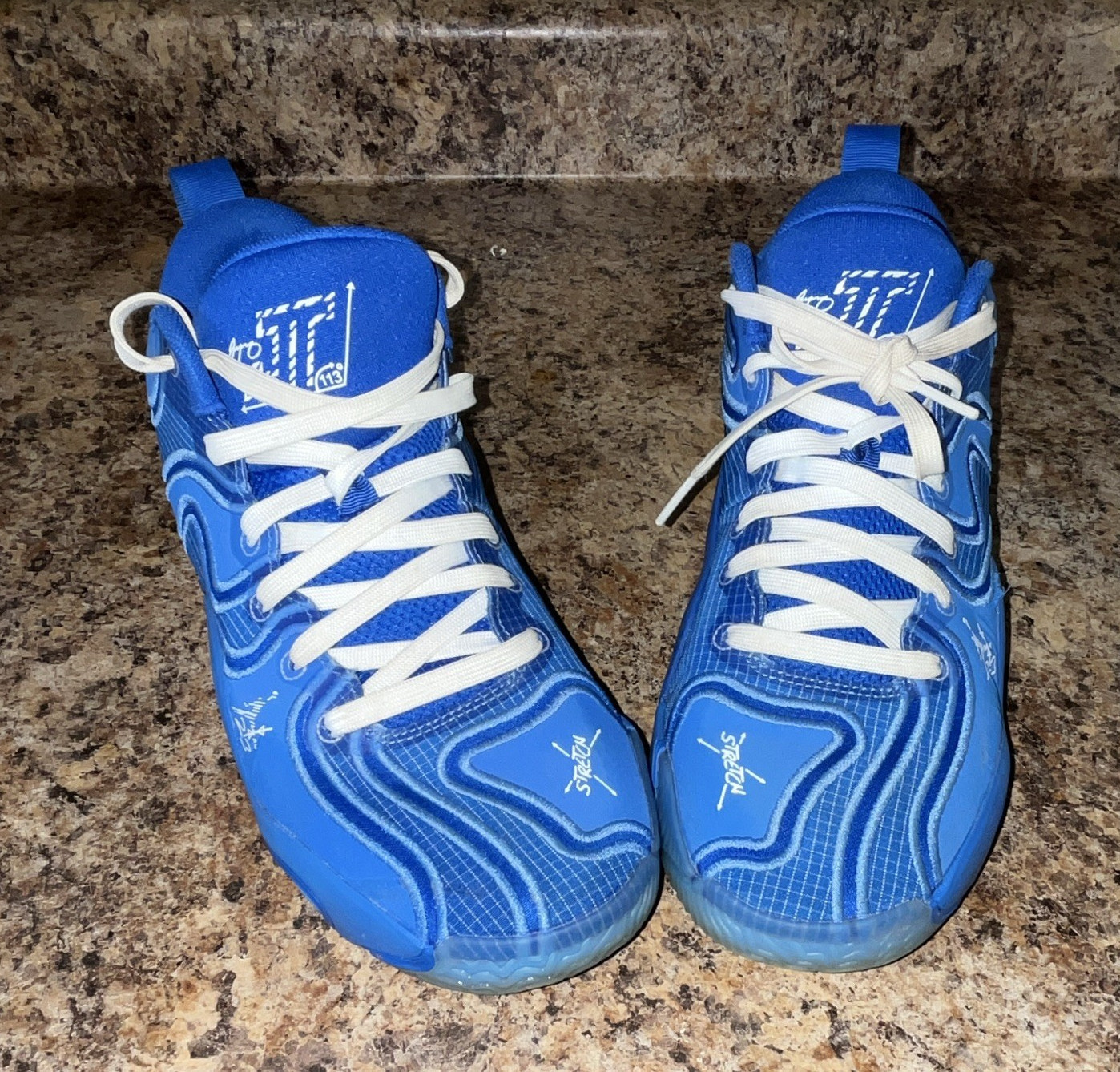


eBay links are affiliate links: JunkPal may earn a commission at no cost to you.