What does “tongue tag” mean?
What it means
The tongue tag is a specific piece of material affixed to the apex of a sneaker’s tongue. Its function is identification. It carries manufacturer logos, size markings, and sometimes specific edition codes. This is not merely a decorative element; it is a primary piece of physical evidence regarding the shoe’s authenticity and production run. For collectors, it functions as a verifiable data point, similar to a serial number on high-end electronics. Drift from the short definition occurs when collectors confuse the tongue tag with interior labels (like sock liners or insole tags), which serve different authentication purposes.
What it does to price
The condition and originality of the tongue tag directly impact perceived value. A factory-original, crisp tag adds verifiable authenticity, typically supporting a 5-15% premium over an identical pair with a tag that is faded, heavily creased, or partially missing. Conversely, a completely absent tag, especially on a highly sought-after vintage release, can trigger a 10-25% depreciation because it introduces immediate doubt regarding provenance. A common mistake is mistaking a modern, generic tag for a rare, specific edition tag; this misidentification can lead to a 30% overpayment.
How to spot it
Authenticity checks focus on print quality, material texture, and placement. Genuine tags exhibit sharp, consistent printing; fakes often show blurry edges or mismatched ink density. Edition markers are crucial—some releases feature unique colorways or text specific to a limited run that must be present on the tag. Sellers must provide high-resolution, close-up photographs of the tag’s entire surface. Common honest mistakes include minor fraying from wear, which is expected on used shoes, versus deliberate removal, which is a red flag.
Buying smart
Paying a premium for a perfect tongue tag is warranted when purchasing a high-value, limited-edition sneaker where authentication is paramount (e.g., collaborations or archival releases). If the shoe is a common, mass-market release, the premium for a pristine tag is negligible. A fair deal involves the tag being present and legible, even if it shows minor signs of handling. If a seller demands a significant premium solely for a tag that is visibly damaged or poorly photographed, the price is inflated.
Selling smart
Proving the tag's integrity elevates a listing from a "good condition" sale to a "verified condition" sale. A clear, well-lit photo focusing solely on the tongue tag, alongside a brief note confirming its originality, justifies a higher asking price. This single piece of evidence mitigates buyer risk, allowing the seller to command a premium—often in the 10-20% range—over listings where the tag status is ambiguous or unverified.
On eBay right now
Current asking prices from live listings — not sold-comp medians.


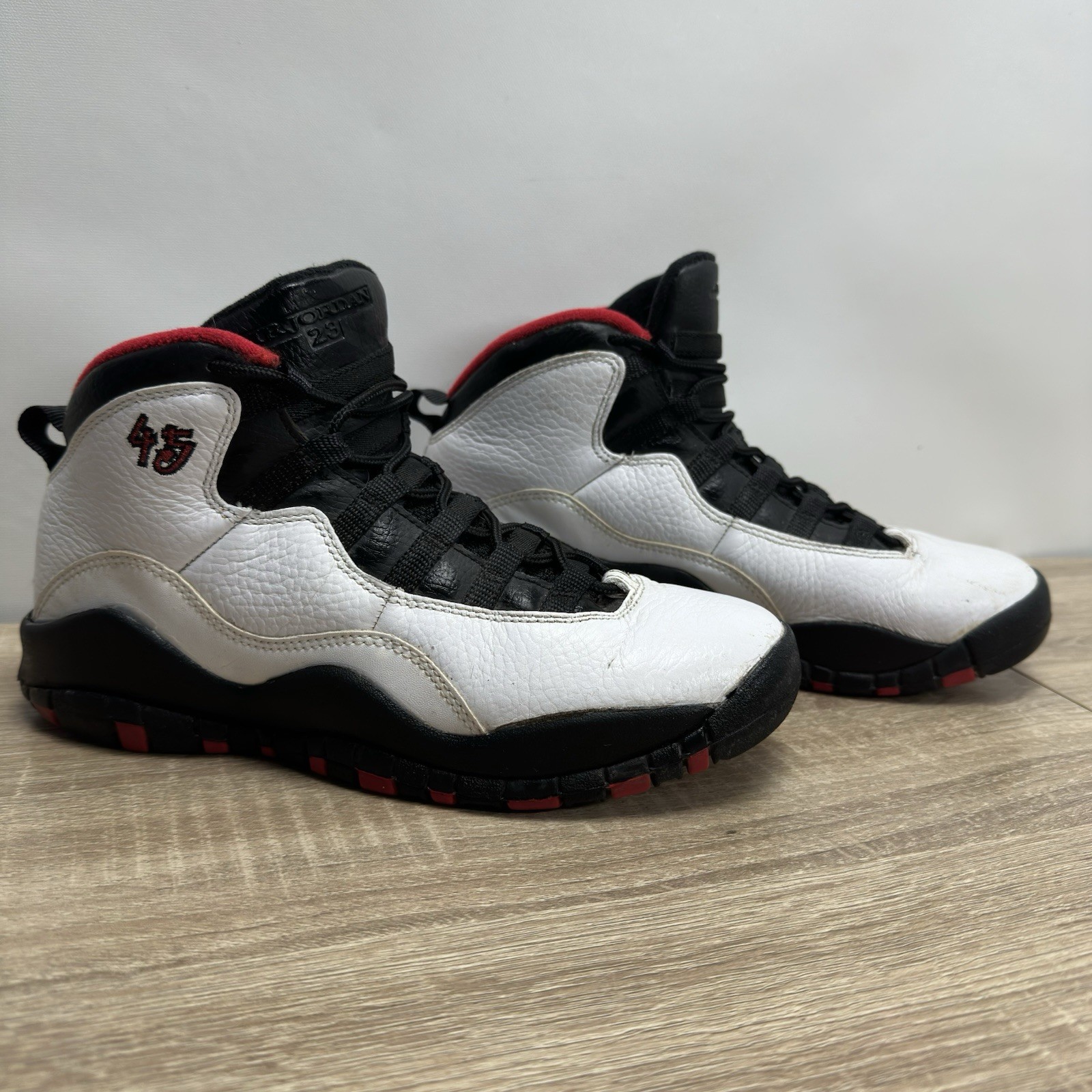


eBay links are affiliate links: JunkPal may earn a commission at no cost to you.