What does “tongue pull” mean?
What it means
"Tongue pull" refers to physical deformation of the sneaker's tongue material. This goes beyond simple creasing from wear; it indicates structural stress where the tongue has been pulled, stretched, or forced beyond its intended tolerance. The mainstream equivalent is material fatigue or stress damage. In the collecting niche, this is categorized as a significant cosmetic defect because the tongue is a primary indicator of how the shoe has been handled. A pulled tongue compromises the shoe's aesthetic integrity, suggesting rough use or improper storage, which directly conflicts with the "deadstock" or "DS" standard prized by high-end collectors.
What it does to price
Tongue pull is a negative modifier. A shoe in near-mint condition with minor, non-structural creasing might retain 90-95% of its retail value. A shoe exhibiting clear, noticeable tongue pull, especially if accompanied by fraying or material thinning, typically sees a price reduction of 20% to 40% compared to a perfect example. For example, a highly sought-after pair listed at $500 might sell for $350-$400 if the tongue pull is visible in photos. Conversely, if the pull is extremely minor and confined to the very edge, the depreciation might only be 5-10%.
How to spot it
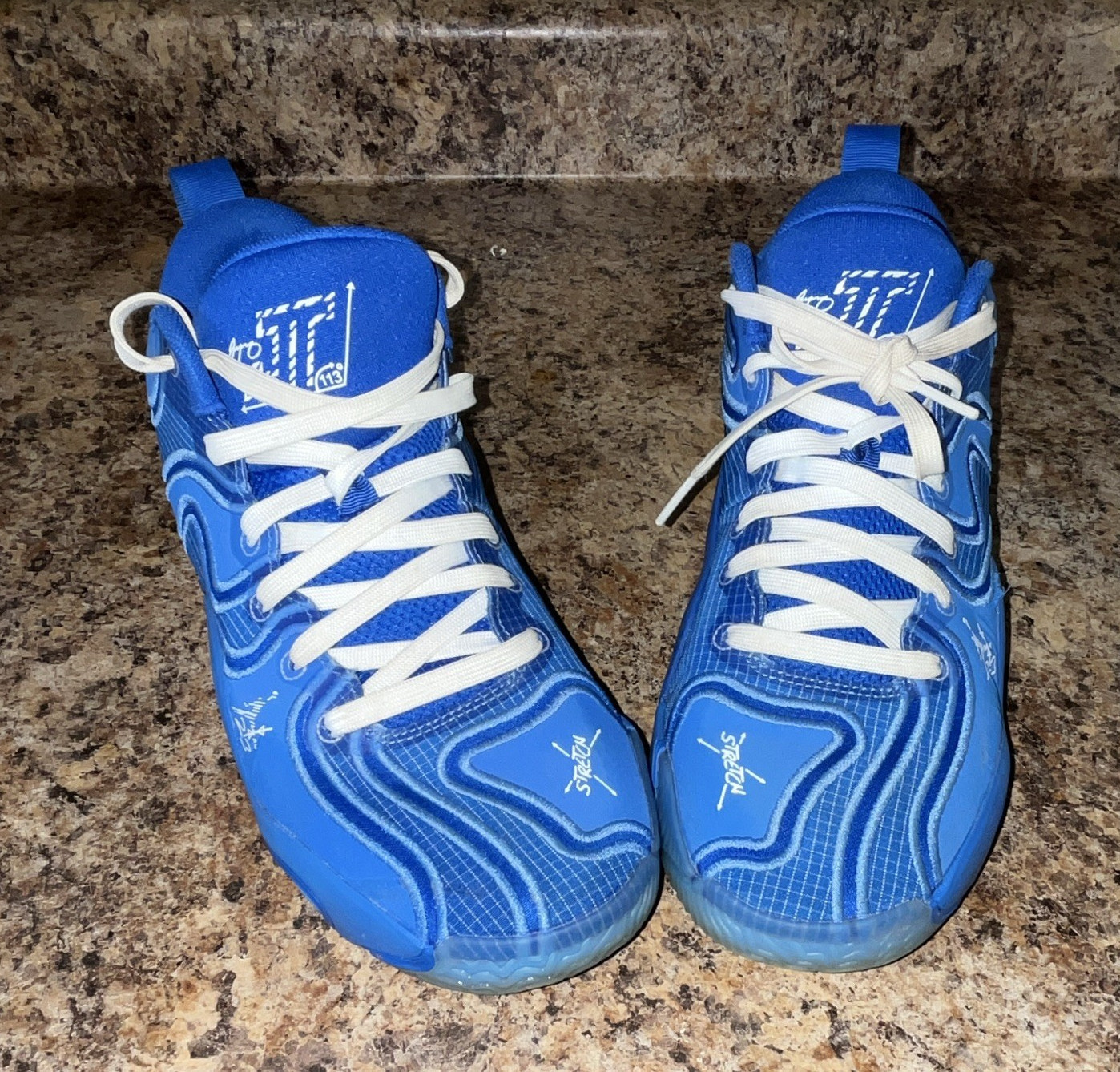
Inspection requires close scrutiny under direct, bright lighting. Look for unnatural puckering, horizontal stress lines running across the tongue fabric, or areas where the material appears thinner or stretched taut compared to the surrounding tongue material. Sellers must provide high-resolution, close-up photos of the tongue from multiple angles—front, top, and side. Be wary of listings that show excessive wear on the tongue area but fail to provide clear close-ups, as this often masks damage or indicates poor listing practices. Authentic wear looks like gentle, uniform creasing; pull looks sharp, uneven, and stressed.
Buying smart
Paying a premium for a shoe with tongue pull is only justifiable if the shoe is otherwise flawless in every other aspect (sole integrity, box condition, colorway perfection) and the pull is extremely minor—a barely perceptible stress mark. If the pull is pronounced, the shoe should be viewed as a lower-tier collector piece, suitable for someone wanting the silhouette but not paying for pristine condition. A fair deal involves a price that reflects the depreciation; if a perfect pair sells for $X, a pair with moderate tongue pull should not exceed $0.7X.
Selling smart
When listing, the condition must be accurately represented. If tongue pull exists, it must be disclosed transparently in the description, not hidden. Listing it as "Deadstock" when it has pull is grounds for immediate return and negative feedback. The best practice is to photograph the affected area clearly, labeling it in the description (e.g., "Minor tongue stress noted"). This proactive disclosure manages buyer expectations, prevents disputes, and allows buyers who are willing to accept the flaw to purchase, securing a sale rather than losing the listing entirely.
On eBay right now
Current asking prices from live listings — not sold-comp medians.




eBay links are affiliate links: JunkPal may earn a commission at no cost to you.