What does “toe box wear” mean?
What it means
Toe box wear is material degradation localized to the forefoot area of a sneaker. This area experiences the highest kinetic stress during walking, running, and general wear. It manifests as abrasion (surface scraping), creasing (permanent folding lines in leather or synthetic overlays), or material thinning/perforation. In the collecting niche, this is a primary indicator of use, distinguishing between "deadstock" (never worn) and "worn." While minor creasing from initial break-in is common and often acceptable, deep scuffing, peeling, or material failure in the toe box significantly impacts grading and market valuation.
What it does to price
Toe box condition is a direct negative multiplier on resale value. For pristine, deadstock pairs, the toe box must be flawless to command top-tier pricing. A pair with light, superficial creasing might sustain a 5-10% price reduction compared to perfect stock. Moderate abrasion or visible scuffing on the toe box can easily reduce value by 20-40%. If the wear is structural—meaning the material is visibly thinned or cracked through—the shoe shifts from collector grade to casual wear, often resulting in a 50%+ devaluation relative to its pristine counterpart. For example, a highly sought-after limited-edition sneaker might sell for $800 deadstock, but the same model with noticeable toe box scuffs might only fetch $550.
How to spot it
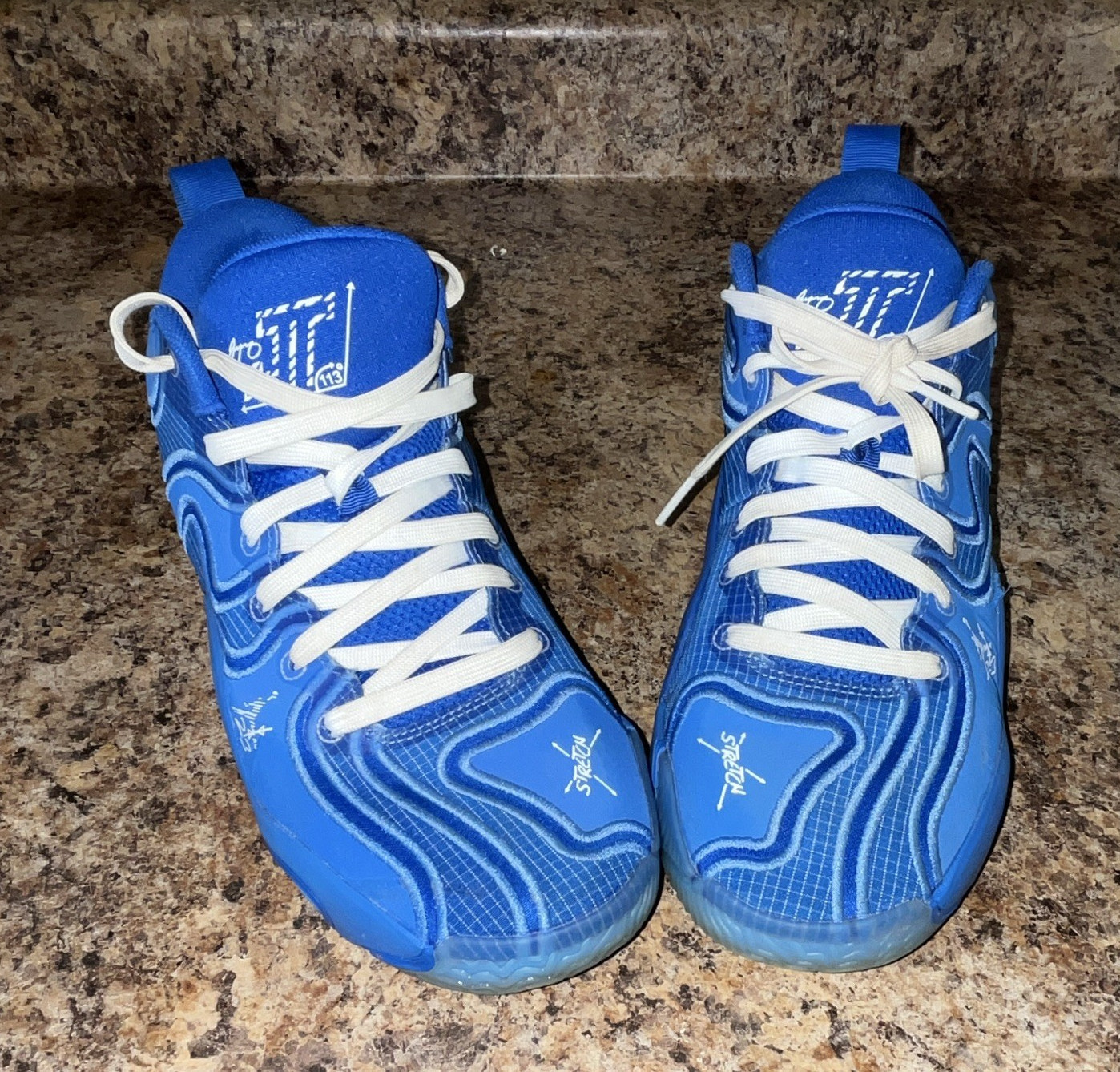
Inspection requires close-up photography, specifically focusing on the area where the toe cap meets the vamp. Look for inconsistent color saturation, where the original finish has been rubbed away to reveal lighter foam or base material underneath. Ask sellers for high-resolution, direct-overhead photos of the front of both shoes. Be wary of listings that only provide wide-angle shots; these obscure localized damage. Fakes sometimes mimic wear patterns poorly, resulting in unnatural, uniform scuffing that looks too perfect or too random. Genuine wear follows stress lines; fakes often look like random paint chips.
Buying smart
Paying a premium for a pair with visible toe box wear is only justifiable if the wear is minimal, uniform, and consistent with light, short-term use—essentially, "lightly worn but structurally sound." If the wear is concentrated, deep, or compromises the aesthetic integrity of a high-value release, the premium should be avoided. A fair deal for a used pair should reflect the wear; if a seller prices a moderately worn shoe at the price of a deadstock item, the purchase is overvalued. Look for shoes where the wear is confined to the very edges of the toe box, not across the main surface.
Selling smart
When listing, documenting toe box wear is non-negotiable. Hiding it leads to returns and negative feedback. Instead of vague terms, use specific descriptors: "Minor creasing present on toe box," or "Light abrasion visible on outer toe tip." Providing a dedicated, well-lit close-up photo of the affected toe box area is the single most effective way to manage buyer expectations and secure a fair price. Transparency allows the buyer to self-grade the item, leading to fewer disputes and higher trust, which supports a stable, reliable selling price.
On eBay right now
Current asking prices from live listings — not sold-comp medians.




eBay links are affiliate links: JunkPal may earn a commission at no cost to you.