What does “toe box” mean?
What it means
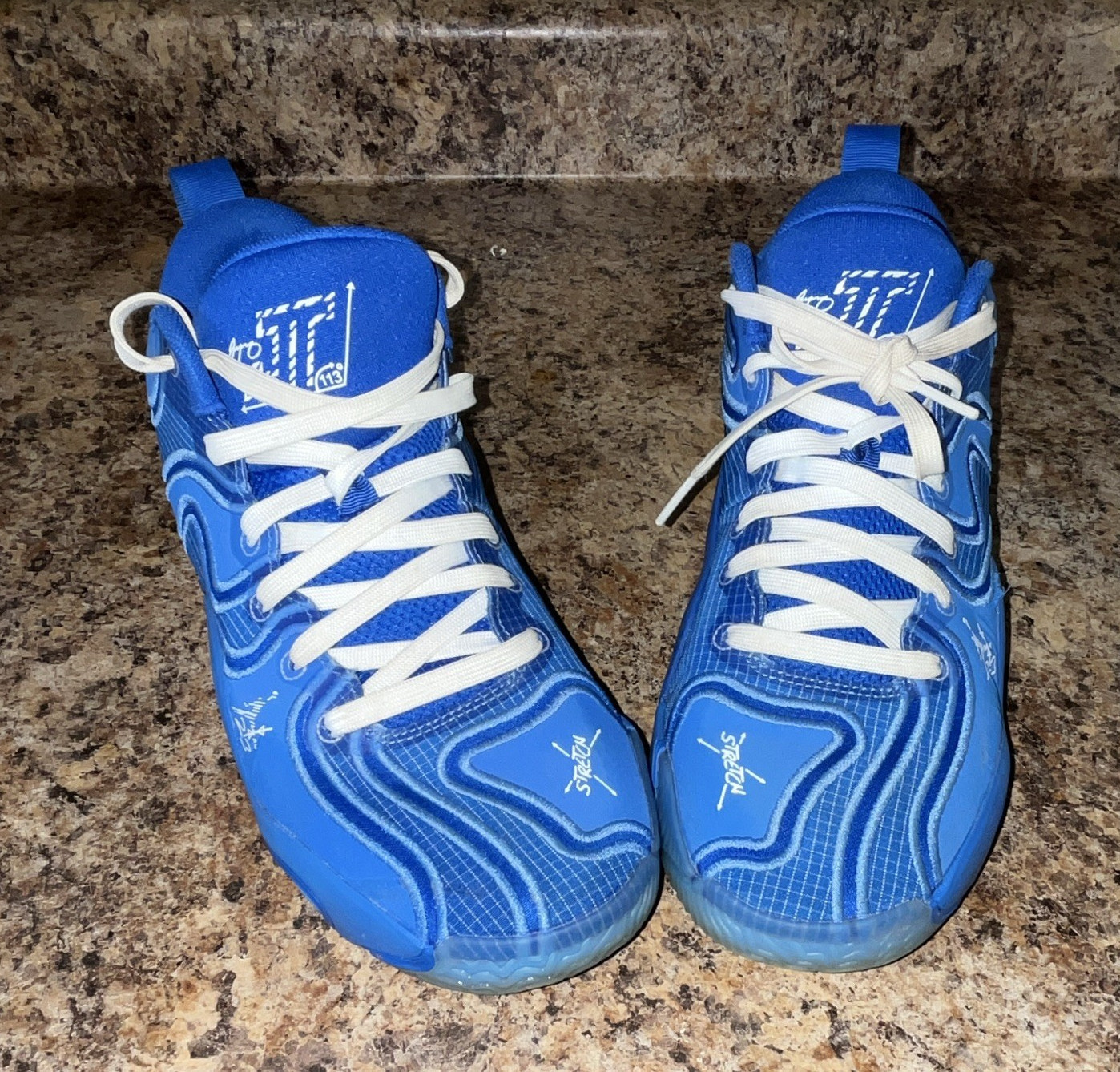
The toe box is the anatomical front enclosure of a sneaker designed to house the toes. In the collecting niche, it is not merely a physical part; it is a primary indicator of wear history. Unlike the sole or upper panels, the toe box is the first area to contact ground surfaces, making it the most honest barometer of use. Creasing, abrasion, and material fatigue here directly translate to perceived wear grade. A "deadstock" (DS) toe box shows no signs of flexing or scuffing, while a heavily creased toe box signifies significant wear, regardless of overall structural integrity.
What it does to price
Toe box condition dictates the tier of the shoe's valuation. A pristine, uncreased toe box on a highly sought-after release can command a 20-40% premium over an identical pair with moderate creasing. If the toe box exhibits deep, irreparable scuffs or material separation, the value can drop by 30-50%, often pushing it into the "used" market segment, even if the rest of the shoe is perfect. For example, a pair of popular limited-edition runners with a flawless toe box might sell for $250, whereas the same pair with noticeable toe abrasion might settle closer to $180.
How to spot it
Inspect the toe box for three specific tells: creasing pattern, surface abrasion, and material integrity. Creasing should be minimal, confined only to natural flex points if the shoe has been worn. Surface abrasion appears as dulling or scraping of the material finish—not just dirt. Ask sellers for high-resolution, close-up photos specifically of the toe tip from multiple angles. A common mistake in grading is confusing natural, deep flexing creases (acceptable) with superficial scuffs (detrimental). Counterfeiters often use softer, less durable materials in the toe box area, which wear out much faster, providing a telltale sign of poor construction.
Buying smart
Paying a premium for a shoe hinges entirely on the toe box condition matching the asking price tier. If a seller is listing a shoe as "Deadstock" but the toe box shows noticeable creasing or dirt, the premium is unjustified. A fair deal involves a price that reflects the *best* condition of the most vulnerable parts. If the toe box is heavily worn, the price should reflect a used market valuation, regardless of how pristine the laces or internal tags remain.
Selling smart
The toe box is the single most effective visual proof point for justifying a high asking price. Buyers prioritize visual evidence over description. A single, perfectly lit, close-up photograph of the toe box, clearly showing the material’s original texture and lack of scuffing, is worth more than a paragraph of descriptive text. Use the term "Mint" or "DS" only if the toe box meets the highest standard of wear resistance. This visual proof immediately shifts the item from a "good condition" listing to a "collector grade" listing, commanding the highest possible return.
On eBay right now
Current asking prices from live listings — not sold-comp medians.




eBay links are affiliate links: JunkPal may earn a commission at no cost to you.