What does “tier two release” mean?
What it means
A tier two release is a secondary, officially sanctioned version of a sneaker model that does not represent the primary, most limited, or headline-making launch. These are usually colorways, regional variations, or slightly less restricted editions compared to the flagship "tier one" drop. The mainstream equivalent is a "secondary release" or "non-OG version." These items are part of the official product line but lack the immediate, hyper-exclusive status of the main release. They maintain collector interest but operate at a lower level of hype saturation.
What it does to price
Pricing for tier two releases is dictated by the gap between the tier one hype and the general market demand. Generally, a tier two release will trade at a fraction of the tier one counterpart, often settling in the 30% to 70% range of the flagship price, depending on the specific demand of the colorway. A common factor pushing the price up is a specific, desirable secondary colorway (e.g., a requested heritage color). A factor pushing it down is low initial demand or a very minor variation. For example, if the tier one sells for \$800, a well-received tier two might stabilize around \$400 to \$550.
How to spot it
Identification relies on checking the official release catalog or retailer archives. Tier two releases often have subtle differences in material composition, minor graphic placement changes, or specific SKU variations compared to the main drop. Sellers must provide clear, high-resolution photos of the tongue tag and the sole markings. Common mistakes include mislabeling a standard retail release as a tier two variant, or conversely, listing a true tier two item as a rare "unreleased" sample. Always cross-reference the listed model code against known release data.
Buying smart
Paying a premium for a tier two release is justified when the specific colorway is highly desirable or when the model itself is highly sought after, even if the release wasn't the main event. It is not worth the premium if the tier two is simply a generic, uninspired colorway of an already over-saturated model. A fair deal is when the asking price is within 15-25% of the established secondary market average for that specific SKU. If the price exceeds 30% above the average, further due diligence on the market trend is required.
Selling smart
Proving the item's authenticity and specific release status is key to maximizing returns. Listing must explicitly state "Tier Two Release" and include a photo clearly showing the specific edition marker or SKU difference that distinguishes it from the tier one. Using the term "Secondary Colorway" is also effective. The single most valuable element in the listing is a clear, close-up photograph of the internal box tag or the size label, which verifies the specific product code associated with the tier two drop.
On eBay right now
Current asking prices from live listings — not sold-comp medians.


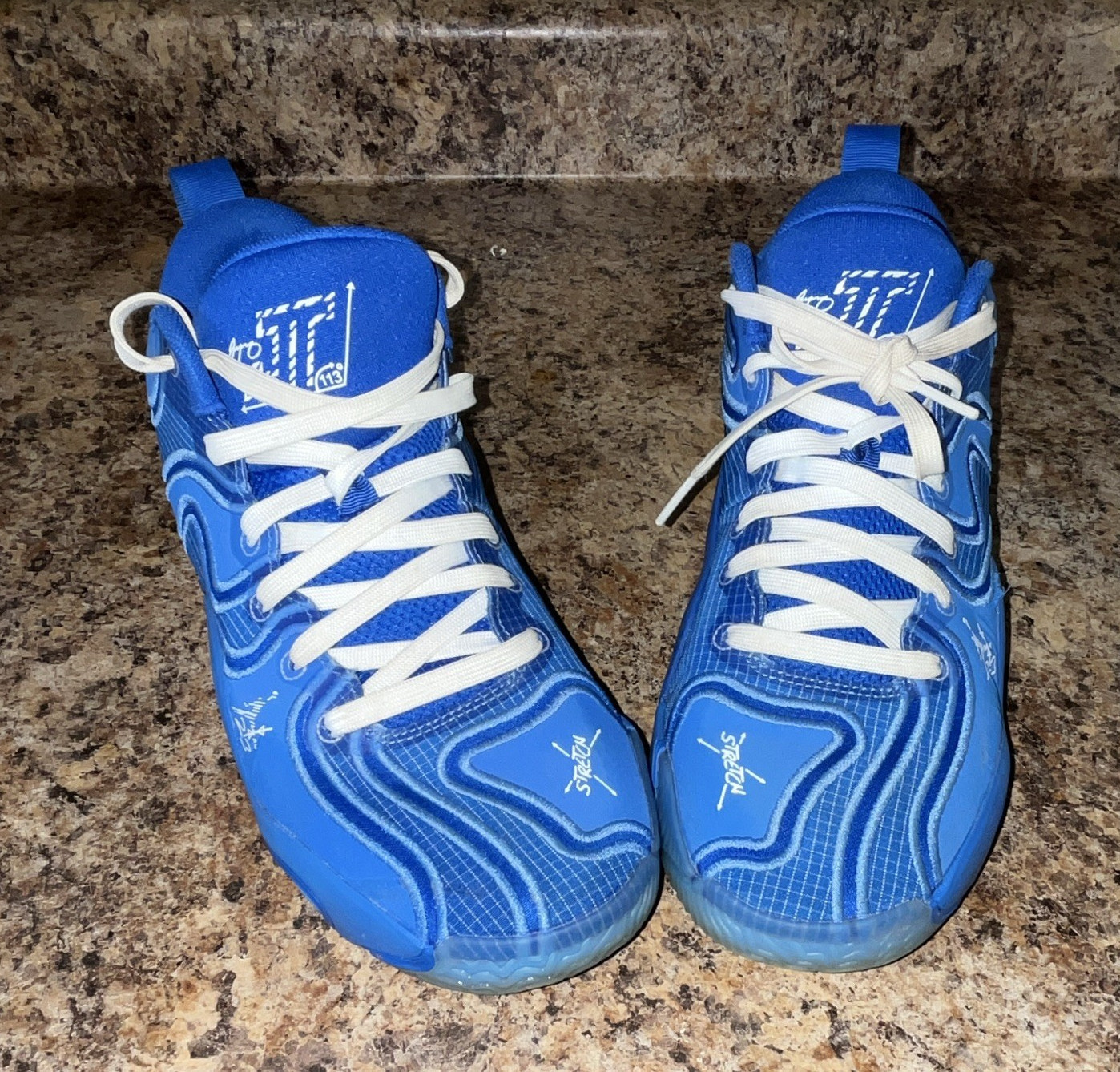


eBay links are affiliate links: JunkPal may earn a commission at no cost to you.