What does “tier two hype” mean?
What it means
Tier two hype describes sneakers that possess strong cultural relevance and consistent demand, placing them below the ultra-exclusive, "blue chip" releases (e.g., highly limited Travis Scott or vintage Jordans). These are not mass-market shoes; they are limited or semi-limited releases from established brands (Nike, Adidas, New Balance) or popular silhouettes that have achieved significant streetwear recognition. The mainstream equivalent is "highly desirable but not grail status." Their value is sustained by a large, active collector base that values brand recognition and perceived scarcity, offering a reliable middle ground between common releases and astronomical investment pieces.
What it does to price
Tier two items typically command a 2x to 5x multiplier over their original retail price (MSRP) depending on condition and specific model popularity. A shoe that retails for \$150 might trade between \$300 and \$750 on the secondary market. Factors pushing the price up include deadstock condition (DS), specific colorways that resonate strongly with the current hype cycle, and verifiable receipt/box presence. A drop in price often occurs if the model is perceived as "over-saturated" or if a newer, more hyped silhouette enters the market. For example, a popular but less exclusive New Balance release might dip 15-20% if a major competitor releases a highly anticipated shoe.
How to spot it
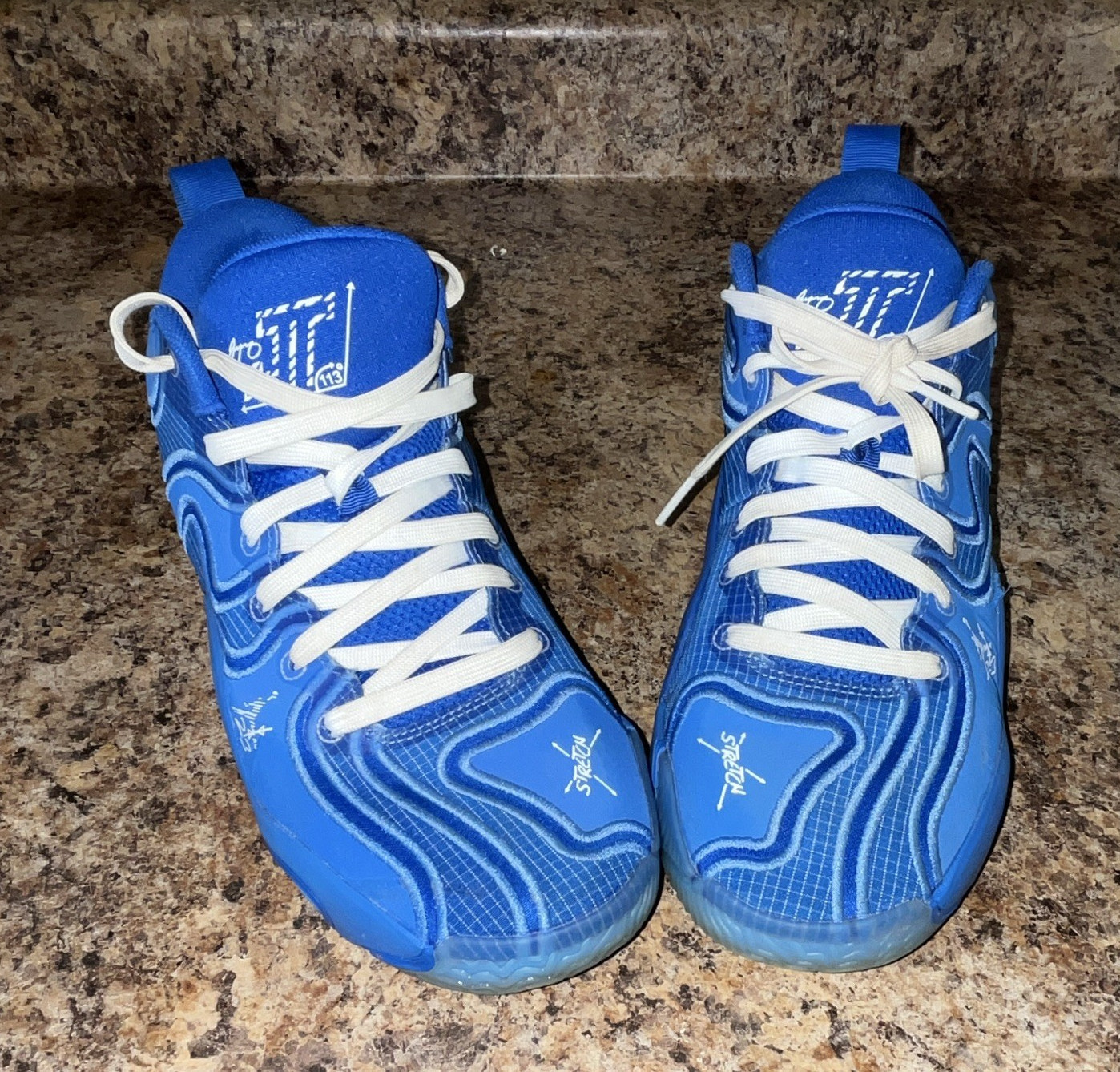
Identification requires looking past the general silhouette. Look for specific edition markers, such as unique material combinations, subtle graphic treatments, or specific color blocking that denotes a special release rather than a standard seasonal offering. Sellers must provide high-resolution photos of the sole markings, tongue tags, and any accompanying hangtags. Common mistakes to watch for include mislabeling a standard release as a special edition, or sellers failing to disclose minor wear that significantly impacts resale value. Fakes often fail on material texture consistency or stitching precision around the eyelets.
Buying smart
Paying a premium for tier two hype is justified when the model has demonstrated consistent secondary market demand over several months, not just during a single hype wave. It is a worthwhile purchase for collectors seeking solid appreciation without the extreme volatility of top-tier releases. A fair deal involves a price that is within 10-20% of the established average secondary market price for that specific condition. If the asking price is significantly above the recent average, further due diligence on the shoe's current market trajectory is necessary.
Selling smart
Proving the authenticity and condition of a tier two item directly dictates the premium achieved. Buyers pay more for verifiable certainty. The single most valuable element in a listing is a clear, well-lit photo of the box and any original packaging materials, alongside a photo showing the size tag and any unique edition stickers. Using the specific term "Deadstock" or "DS" in the title, backed by photographic evidence, can secure a 5-10% price uplift over listings that are merely "Used" or "Good Condition."
On eBay right now
Current asking prices from live listings — not sold-comp medians.




eBay links are affiliate links: JunkPal may earn a commission at no cost to you.