What does “tier one release” mean?
What it means
A tier one release is a sneaker drop defined by extreme scarcity, high cultural relevance, and association with major industry players. This category encompasses collaborations between top-tier brands (e.g., Nike, Jordan) and highly influential figures—designers, artists, or celebrities. The mainstream equivalent is a "hype release." The defining characteristic is not just quality, but manufactured demand. These items are intentionally limited, meaning the supply cannot meet global demand, creating immediate scarcity.
What it does to price
Tier one status functions as a direct, significant multiplier on retail value. Prices can range from 3x to 10x the original retail price, depending on the specific cultural weight of the collaboration. A standard, highly sought-after tier one shoe might sell for $800-$1,500 when the retail price was $200. Factors that push value up include verified provenance (proof of purchase) and pristine condition. Value decreases if the shoe shows signs of wear or if the specific release was poorly executed or quickly discontinued without cultural impact.
How to spot it
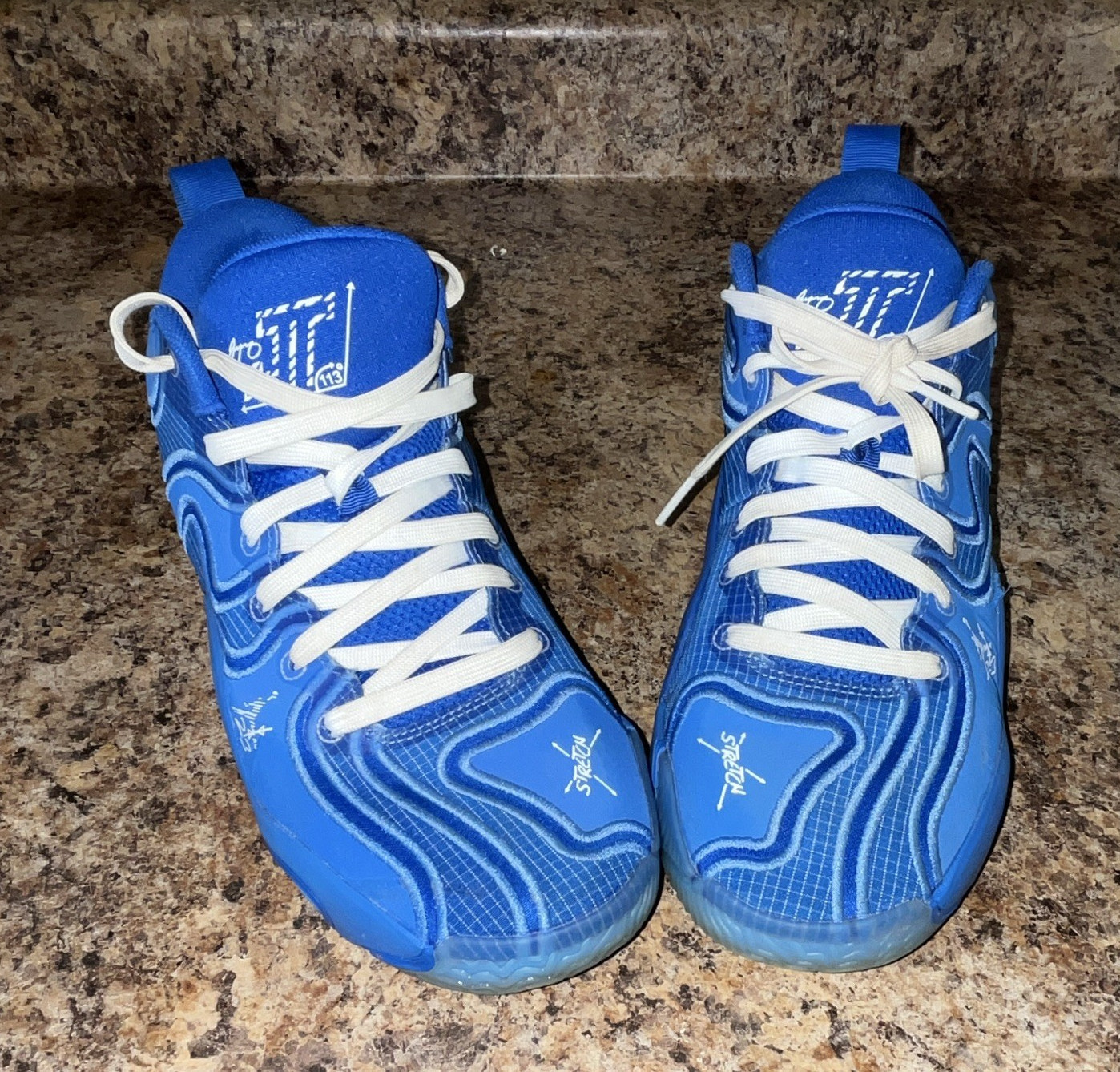
Identification relies on specific markers. Look for unique colorways, special edition packaging (often numbered or uniquely branded boxes), and specific material combinations not found in standard releases. When examining photos, check for consistent stitching patterns and unique branding placements specific to the collaboration. Common pitfalls include "grey market" resellers who lack original receipts, or counterfeiters who replicate the general look but fail on microscopic details like font weight or material texture. Always request high-resolution photos of the tongue tag and sole markings.
Buying smart
Paying a premium is justified only when the item is authenticated and the cultural significance of the release is undeniable. If the shoe is a minor collaboration or a re-release without significant hype, the premium over retail is often unwarranted. A fair deal requires the asking price to be within 15-30% of the current established resale market average for that specific model and condition. If a seller demands a price significantly above the established secondary market rate, the risk of overpayment or dealing with an unverified item increases sharply.
Selling smart
Proving authenticity and condition dictates the final sale price. Listings must clearly state if the item is Deadstock (DS) or Used. For tier one items, the single most valuable piece of evidence is the original receipt or purchase confirmation from a reputable retailer. Using the term "Verified" in the title, backed by proof of purchase, immediately commands a higher tier of buyer interest and justifies the top end of the price range. High-quality, well-lit photos showing all angles, including the original box, are non-negotiable.
On eBay right now
Current asking prices from live listings — not sold-comp medians.




eBay links are affiliate links: JunkPal may earn a commission at no cost to you.