What does “throwback” mean?
What it means
"Throwback" in sneaker collecting refers to a deliberate revival of a past design. This isn't just an old shoe being resold; it is a modern iteration—a reissue, collaboration, or homage—that directly copies or pays tribute to a specific, historically significant model or colorway from a previous era. The mainstream equivalent is "retro release." The key distinction is intent: the manufacturer is intentionally referencing the past, not simply selling vintage stock. A successful throwback leverages cultural memory; it capitalizes on the nostalgia associated with the original shoe's peak popularity.
What it does to price
Nostalgia functions as a demand multiplier. A highly sought-after, historically significant throwback can command a 1.8x to 3.5x premium over a contemporary, unreferenced release of the same base silhouette. The multiplier increases exponentially if the original release was culturally monumental (e.g., a specific Jordan colorway). Factors that deflate value include poor material quality in the reproduction or if the reissue is perceived as a cheap cash-in rather than a respectful homage. For example, a highly anticipated, authentic throwback colorway might sell for $450 retail, but a poorly executed, mass-market knockoff of the same style might only fetch $90 loose.
How to spot it
Identifying a genuine throwback requires scrutiny of details that differentiate a modern reproduction from a genuine vintage piece. Look for specific edition markers, often printed inside the tongue or on the box, that denote the reissue year. Print quality is critical; genuine reissues maintain the exact texture and ink density of the original. Common fakes mimic the silhouette but fail on subtle elements like stitching density or sole material composition. Always request high-resolution photos of the outsole pattern and the internal hangtag. A common honest mistake is confusing a true "throwback" reissue with a "vintage" piece—the latter is genuinely aged inventory, which carries different authentication risks.
Buying smart
Paying a premium for a throwback is justified when the shoe represents a known, high-demand cultural touchstone (e.g., a specific championship-era colorway). If the shoe is a minor variation or a generic aesthetic nod without deep historical roots, the premium is likely inflated. A fair deal involves comparing the asking price against the documented resale value of the *original* release, factoring in the current scarcity of the reissue. If the reissue is widely available and not tied to a specific, limited-run event, the markup should be modest, perhaps 1.2x to 1.5x retail.
Selling smart
To maximize resale, the listing must clearly frame the shoe's historical context. Do not just list it as "Sneaker Model X." Specify the reference: "Throwback to [Year] Classic Colorway." This instantly signals to knowledgeable buyers that the shoe carries cultural weight. The single most valuable asset in a listing is a photo clearly showing the edition tag or the specific, recognizable element that links it to the original release. This visual proof validates the premium price point and separates it from generic offerings.
On eBay right now
Current asking prices from live listings — not sold-comp medians.


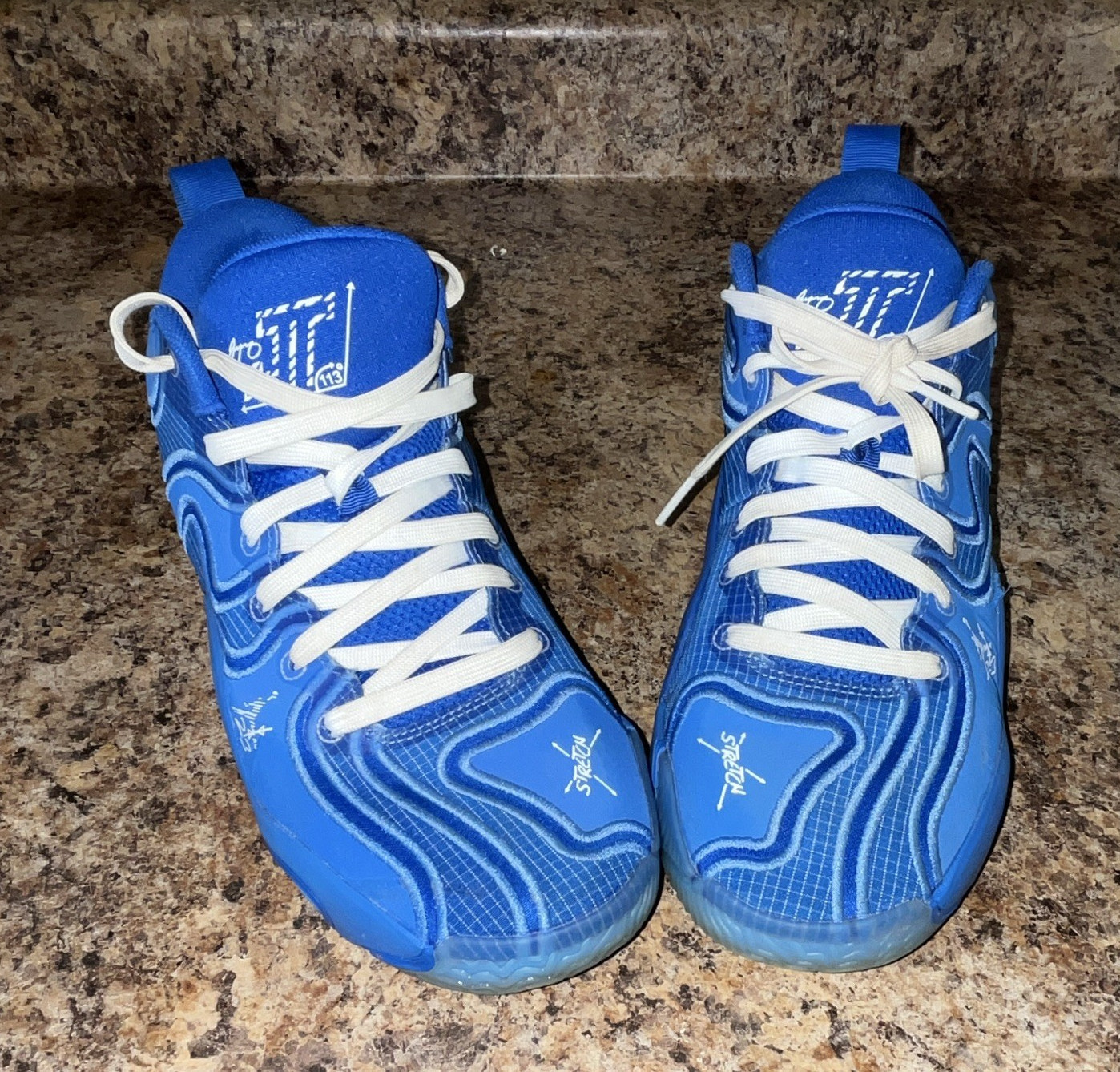


eBay links are affiliate links: JunkPal may earn a commission at no cost to you.